
Pubalgia
the complete guide
- Published on
- By New Equilibre
SUMMARY :
Groin pain, a often little-known but potentially disabling condition affecting the groin area. Groin pain, also known as pubic pain, is often associated with persistent and debilitating pain that can affect the quality of life for active individuals and athletes.
In this article, we will explore in detail all aspects of pubalgia, from symptoms and causes to treatment and prevention options. We will also cover the different types of pubalgia, such as muscle injuries, adductor tendinitis, pubofemoral muscle inflammation, and pubic sprains, as well as diagnostic methods and recommended therapeutic approaches.
Whether you're an athlete looking to avoid injury or someone already suffering from groin pain, this guide is designed to provide you with all the necessary information to effectively understand, prevent, and treat this delicate condition. We will discuss rehabilitation techniques, muscle strengthening exercises, physiotherapy treatment approaches, and the importance of orthopedic insoles to effectively relieve and prevent this pathology.
When every movement becomes a source of pain in the groin area, you may be suffering from osteitis pubis. This condition, often encountered in athletes, can limit your mobility and performance. In this comprehensive guide, we will explore osteitis pubis from all angles, from its symptoms to its treatments, including ways to relieve pain and promote healing.
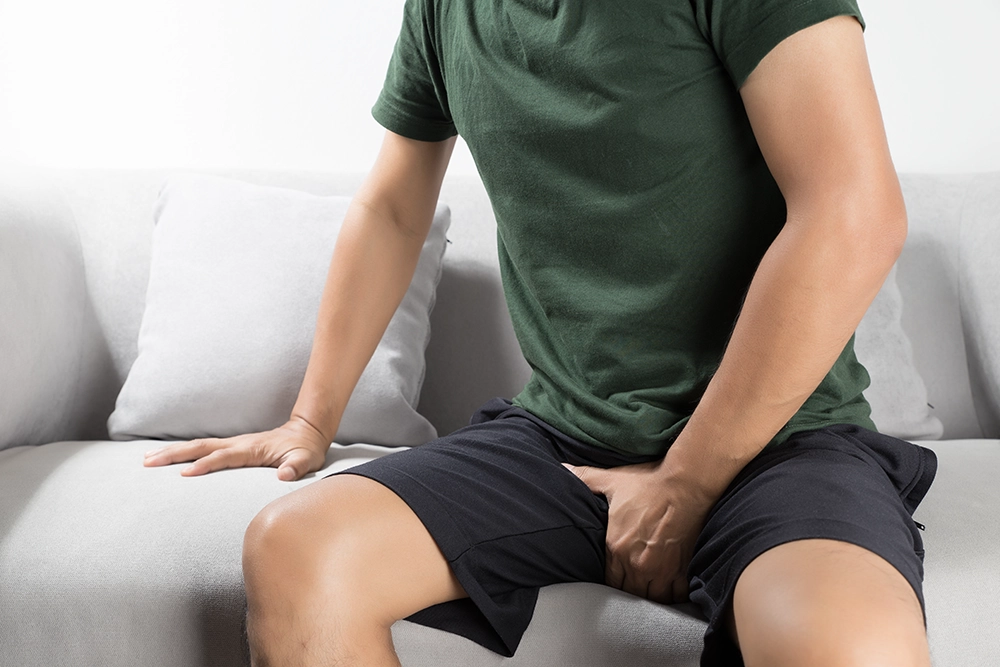
What is osteitis pubis?
Groin pain is a painful condition that affects the groin area, specifically the pubic joint where the pelvic bones meet. It is usually associated with inflammation, overuse, or injury to the muscles, tendons, and ligaments surrounding this joint. Sports activities, especially those involving quick movements, frequent changes in direction, or heavy loads, are often the cause of this condition. Typical symptoms include sharp, localized pain in the groin that can radiate to the hips, lower back, or thighs, and is often exacerbated by physical activity.
What are the symptoms of groin pain?
Typical symptoms of groin pain include pain localized to the groin, which can be sharp and throbbing, especially during certain activities such as running, jumping, or rotating the body. This pain can radiate to the hips, lower back, or thighs, and may be accompanied by a feeling of stiffness or muscle weakness. Common symptoms of groin pain include:
- Groin pain The pain is usually located in the groin area, near the pubic joint. It can be sharp, throbbing, or dull, and can vary in intensity.
- Pain during movement: The pain often worsens with specific movements such as walking, running, jumping, or during changes in direction.
- Muscle stiffness A feeling of stiffness or muscle tension can be felt in the groin area, particularly after a period of rest or inactivity.
- Touch sensitivity The affected area may be tender to the touch, with increased pain when palpated.
- Pain irradiation The pain can radiate to the hips, lower back, thighs, or even the testicles in men.
- Muscle weakness : Muscle weakness in the groin area may also be present, affecting the ability to perform certain movements.
It is important to note that symptoms can vary from person to person and can be exacerbated by physical activity or specific movements.
What treatments are there for pubalgia?
Treatments for osteitis pubis can vary depending on the severity of the injury, but they generally include rest, ice, anti-inflammatory drugs, muscle rehabilitation, and stretching exercises. In some cases, physical therapy or corticosteroid injections may be recommended to relieve pain and promote healing.
Medicinal treatments
- Anti-inflammatories : Nonsteroidal anti-inflammatory drugs (NSAIDs), such as ibuprofen or naproxen, can be prescribed to reduce inflammation and relieve pain.
- Shockwave Therapy: In some cases, shockwave therapy can be used to stimulate healing of affected tissues and reduce pain.
- Corticosteroid injections: In cases of persistent pain, corticosteroid injections can be administered to reduce inflammation and relieve pain.
Natural treatments :
- Rest and reduced activity It is often recommended to limit or avoid activities that aggravate the pain, such as running, jumping, or twisting motions of the body, to allow the groin area to heal.
- Ice application : Applying ice to the affected area can help reduce inflammation and relieve pain. It is advisable to apply ice for 15 to 20 minutes several times a day, making sure to protect the skin with a cloth or towel.
- Muscle rehabilitation Physical therapy or muscle rehabilitation may be recommended to strengthen the muscles in the groin area, improve stability, and promote optimal recovery.
- Stretching and strengthening exercises: Specific stretching and strengthening exercises can be prescribed to improve flexibility, reduce muscle tension, and correct muscle imbalances.
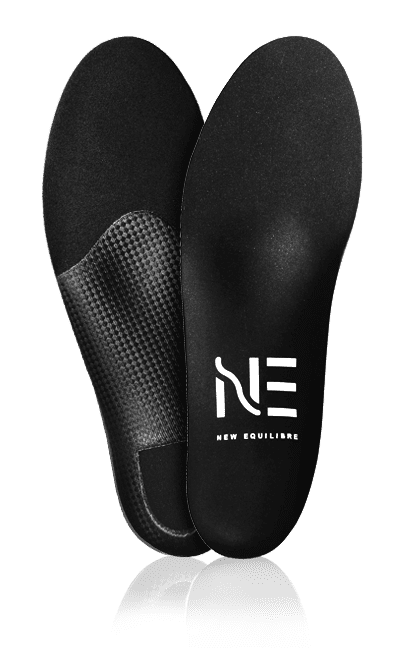
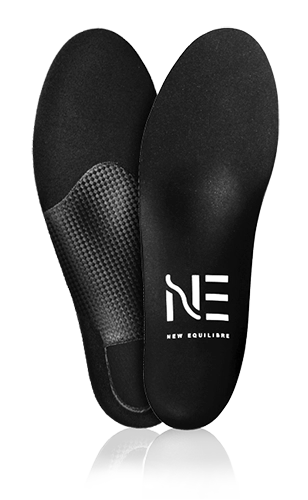
Orthotic insoles to relieve pubic inflammation
Orthotic insoles can play a beneficial role in relieving groin pain by providing additional support for body alignment and reducing pressure on the pubic joint. Here's how they can help:
Body and walking realignment Orthotic insoles are designed to provide structural support to the feet and correct body alignment imbalances. By ensuring a balanced distribution of body weight across the feet, they can help reduce pressure on the pubic joint and surrounding muscles, thereby relieving pain and preventing excessive strain. They also correct overpronation or supination, which can contribute to the development of osteitis pubis.
Muscle strain reduction By providing additional support to the arch of the foot and stabilizing the foot and ankle joints, orthopedic insoles can reduce muscle tension in the groin area. This can relieve pain and promote healing by decreasing the strain on muscles and tendons associated with groin pain.
Shock absorption Some orthopedic insole models are equipped with extra cushioning at the heel and forefoot, which reduces the impact of shock during walking or physical activity. This can help reduce irritation and inflammation of the pubic joint, thereby helping to alleviate pain associated with osteitis pubis.
In combination with other treatment approaches, such as physical therapy and specific exercises, orthopedic insoles effectively relieve pain with successful recovery.
Free delivery to Metropolitan France, within 2 working days.
Can I play sports with osteitis pubis?
When you have osteitis pubis, it's essential to take precautions when participating in physical activities. Here are some considerations to keep in mind:
Consult a healthcare professional Before resuming any sports activity, it is important to consult a doctor or physiotherapist for an accurate diagnosis and advice on how to manage your groin pain.
Listen to your body: Pay attention to the signals your body sends you. If you feel pain or discomfort during a sports activity, stop immediately and rest.
Adopt low-impact activities: Prioritize low-impact activities that don't overstress the groin area, such as swimming, cycling, or walking. Avoid high-impact sports like running, jumping, or contact sports.
Revise your practice: If you cannot completely avoid your favorite sport, consider modifying your practice. Reduce the intensity, duration, or frequency of your training sessions to limit the pressure on your pubic joint.
Use injury prevention techniques: Be sure to warm up properly before exercise and stretch afterward to prevent injuries. Strengthen the supporting muscles of the groin and lower back to improve pubic joint stability.
Wear adequate support: Use appropriate support, such as orthotic insoles or a supportive bandage, to stabilize the pubic joint and reduce strain on surrounding muscles and ligaments.
Follow medical advice: Follow your healthcare provider's recommendations regarding rest, treatments, and activities to avoid or limit during your recovery period.
In conclusion, it is possible to engage in certain physical activities with pubalgia, but it is important to do so cautiously and under the supervision of a healthcare professional. Listen to your body, adapt your practice, and take the necessary steps to prevent further injuries and promote effective healing.
When should pubic symphysis pain be operated on?
Surgery for pubalgia is generally only considered as a last resort, when conservative treatments have failed to relieve pain or restore function. Here are some indications that might necessitate surgical intervention:
- Failed conservative treatments: If non-surgical treatments such as rest, physical therapy, medication, and corticosteroid injections have not successfully relieved pain and improved function, surgery may be considered.
- Severe tear of muscles or tendons In case of a severe tear of the groin muscles or tendons that has not healed with conservative treatment, surgery may be necessary to repair the damaged tissues and restore the stability of the pubic joint.
- Pubic joint instability If the pubic symphysis is unstable due to ligament laxity or separation of the joint surfaces, surgery may be recommended to stabilize the joint and prevent excessive movement that can cause pain.
- Presence of an inguinal hernia If an inguinal hernia is associated with osteitis pubis and causes severe symptoms or complications such as incarceration or strangulation, surgical repair of the hernia may be necessary.
- Bone deformity In some cases, bone deformation of the pubic joint, such as pubic osteitis or condensing osteitis, may require surgical intervention to correct the deformity and relieve pain.
It is important to note that the decision to opt for surgery should be made after a thorough evaluation by a qualified healthcare professional, such as an orthopedist or a surgeon specializing in groin conditions. The surgeon will discuss the available treatment options, the risks and benefits of surgery, as well as the recovery and rehabilitation expectations after the procedure. Generally, surgery is only considered when other treatment options have failed and the potential benefits of surgery outweigh the risks associated with the procedure.
Groin pain healing time
The healing time for pubalgia can vary significantly depending on several factors, including the severity of the injury, early management, adherence to recommended treatments, the patient's age, their general health status, and their physical activity level. Generally, recovering from pubalgia can take several weeks to several months.
For mild to moderate cases, where the injury is not severe and does not involve significant tears of muscle or tendon tissues, a full recovery can be expected within a few weeks to a few months with appropriate treatment. This may include rest, modifications to physical activity, physical therapy, strengthening and stretching exercises, anti-inflammatory medications, and the use of treatment modalities such as ice or shockwave therapy.
For more severe or complex cases, such as those involving significant muscle or tendon tears, significant joint instability, or complications like an inguinal hernia, healing time may be prolonged and require surgical intervention. In such cases, full recovery can take several months, or even up to a year or more, depending on the nature of the surgery and the post-operative rehabilitation process.
It is important to note that each case of groin pain is unique and recovery time can vary from person to person. It is essential to carefully follow your healthcare professional's recommendations, adhere to the recommended rest and rehabilitation periods, and not rush back to normal physical activity to avoid relapses or complications. If pain persists or symptoms do not improve over time, it is recommended to consult your doctor again to re-evaluate your condition and adjust your treatment plan if necessary.
Article written by
Forlini Orthopedics
Orthotic insole manufacturing specialist
- Over 35 years of experience in foot care (since 1988)
- More than 5,000 patients supported each year in practice.
- At the origin of the development of New Equilibre insoles