
Supination
the complete guide
- Published on
- By New Equilibre
SUMMARY :
Supination is a biomechanical phenomenon that concerns how the foot rolls outward during walking or running.
In this comprehensive guide, we will examine in detail what supination is, its causes, symptoms, and methods for correcting this problem and preventing associated injuries.

What is a supinating foot?
A supinating foot, also called an underpronator, is a type of foot whose anatomical structure and way of functioning lead to excessive supination during walking or running. Supination is a movement of the foot where it rolls outward, meaning that the body's weight is transferred to the outer edge of the foot.
Features of a supinating foot:
Typical characteristics of a supinating foot include a high or rigid arch and a lack of flexibility in the ankle joints. This anatomical configuration limits the foot's ability to absorb shock and distribute body weight evenly during walking or running. As a result, the foot tends to roll outward, placing excessive pressure on the outer edge of the foot and decreasing shock absorption capabilities.
What are the symptoms associated with supination?
Symptoms related to supination can vary from person to person depending on the severity of the problem and individual factors. However, here are some common symptoms associated with excessive supination:
Pain on the outside of the foot: People who overpronate may experience pain on the outside of their foot, typically along the outer edge or the toe joint.
Ankle pain Excessive pronation can lead to increased pressure on the ligaments and tendons of the ankle, which can cause pain or strain in that area.
Instability or a rolling sensation of the foot outward: People who supinate may experience a feeling of instability or the foot rolling outward during walking or running, which can make their gait less stable and less balanced.
Callus or corn formation Due to increased pressure on the outer edge of the foot, calluses or corns may accumulate there.
Recurring injuries Excessive pronation can increase the risk of foot, ankle, and leg injuries, such as ankle sprains, tendonitis, stress fractures, or plantar fasciitis.
Muscle fatigue The muscles in the foot, ankle, and legs can become fatigued more quickly in supinators due to the extra strain placed on these muscles during walking or running.
It is important to recognize and treat excessive supination to avoid long-term complications and prevent injuries. Appropriate shoes with good arch support and adequate cushioning, as well as customized orthotic insoles, can help correct supination by providing additional support and promoting a more neutral gait. Furthermore, strengthening and stretching exercises for the foot and ankle muscles can help improve stability and reduce symptoms associated with supination.
Orthotic insoles to correct supination
Orthotics, also known as plantar orthoses, can be an effective tool for correcting excessive supination by providing additional support to the arch of the foot and redistributing body weight more evenly during walking or running. Here's how orthotics can help correct supination:
Arch support New Equilibre insoles are designed to provide increased support to the medial, lateral, and anterior arches, which helps to correct excessive supination.
Alignment correction: Orthotic insoles correct biomechanical imbalances and properly align the foot during walking or running. This helps to reduce pressure on the outer edge of the foot and promote a more neutral gait.
Additional amortization: Featuring extra cushioning in the heel and forefoot, they significantly reduce the impact on joints and soft tissues during walking or running. Additionally, they have an energy-returning material in the forefoot that promotes propulsion.
Increased stability: By providing additional support and stabilization to the foot, orthopedic insoles improve stability and balance during the gait cycle, thus reducing the risk of injuries associated with excessive supination.
Symptom reduction Orthotic insoles also relieve symptoms associated with excessive supination, such as pain on the outer edge of the foot or ankle, by providing proper support and alignment.
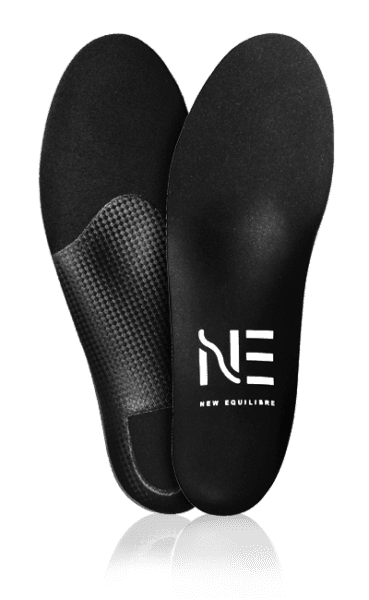

New Equilibre insoles have been tested and approved by thousands of users. Their effectiveness is clinically proven. Easily order your insoles exclusively from our online store, and rediscover the comfort your feet deserve.
Free delivery to Metropolitan France, within 2 working days.
Free returns within 14 days.
How do I know if I'm a supinator?
Determining if you are a supinator can be assessed by several methods, including:
Gait observation You can ask a healthcare professional, such as a podiatrist or physical therapist, to observe your gait while walking or running. Excessive supination can be identified by a pronounced outward rolling of the foot during the stride.
Shoe analysis: Examine the sole of your shoes to identify areas of wear. If the outer part of the sole shows excessive wear, it may indicate supination.
Callus formation Calluses or corns forming on the outer edge of the foot can be a sign of supination, as this area experiences increased pressure during walking or running.
Physical examination: A healthcare professional can perform a physical examination to assess your foot mobility, leg muscle strength, and ankle stability, which can provide insights into your gait and posture.
Approach Analysis Some healthcare professionals use gait analysis methods, such as computerized podometry or video gait analysis, to assess foot movements and identify gait problems, including supination.
Alignment Test: An alignment test can be performed to evaluate the position of your feet when they are bearing weight. If your feet tend to turn outward, this may indicate supination.
What is a supinating stride?
A supinating stride, also called a supinating gait, is a walking or running pattern where the foot rolls outward during the push-off phase. This means that the body's weight is primarily supported by the outer edge of the foot, rather than the entire sole.
During a supinating stride, the foot exhibits excessive supination, leading to uneven weight distribution and reduced shock absorption. This gait can be identified by a pronounced rolling of the foot outward during the stride, thus creating increased pressure on the outer edge of the foot.
People with a supinating gait may experience symptoms such as pain on the outer edge of the foot, ankle, or lower leg, a feeling of instability while walking or running, and an increased risk of foot, ankle, and leg injuries.
It is important to recognize and treat supinator gait to prevent long-term complications and injuries. Appropriate shoes with good arch support and adequate cushioning, as well as custom orthotic insoles, can help correct supination by providing additional support and promoting a more neutral stride. Furthermore, strengthening and stretching exercises for the foot and ankle muscles can help improve stability and reduce symptoms associated with supinator gait.
What are the causes of supination?
Several factors can contribute to foot supination, including:
Anatomy of the foot: Some people are naturally predisposed to supination due to their foot's anatomical structure. For instance, having a high or rigid arch can limit the foot's ability to move properly during walking or running, leading to overpronation.
Muscle imbalances: Imbalances in the muscles of the foot, ankle, and leg can influence how the foot rolls during gait. For example, weak or underdeveloped muscles in the foot and ankle region may not provide adequate support, thus promoting supination.
Inappropriate footwear Wearing shoes that don't provide adequate arch support or have poor sole design can contribute to supination. Shoes that are too rigid or too narrow can restrict foot mobility and worsen supination.
Overuse or high-impact activities: Repetitive high-impact activities, such as running on hard or uneven surfaces, can lead to excessive supination by placing extra stress on the foot and ankle joints.
Previous injuries: Previous injuries, such as ankle sprains or stress fractures, can alter how the foot rolls during walking or running, potentially leading to compensatory supination to avoid pain or instability.
Biomechanical problems: Biomechanical abnormalities, such as excessive external tibial rotation or insufficient internal hip rotation, can also contribute to supination by affecting how forces are distributed through the body during gait.
Pronation
pronation pronation. While supination occurs when the foot rolls outward during walking or running, pronation occurs when the foot rolls inward. Both of these movements are part of the normal gait cycle and are essential for ensuring a balanced distribution of body weight and effective shock absorption during walking or running.
During pronation, the foot rolls inward, allowing the arch of the foot to flatten slightly and absorb shock upon ground impact. This motion helps to stabilize the foot and distribute body weight evenly throughout the stride.
It is important to note that pronation and supination are normal and necessary movements to ensure an efficient and comfortable gait. However, problems can arise when either of these movements becomes excessive or unbalanced, which can lead to posture problems, joint pain, and injuries. It is therefore important to maintain a healthy balance between pronation and supination to ensure the health and functionality of the foot and ankle. If you have concerns about your gait or are experiencing symptoms associated with pronation or supination, you can contact us by email at [email protected], and our experts will be able to answer your questions.
Article written by
Forlini Orthopedics
Spécialiste de la fabrication de semelles orthopédiques
- Plus de 35 ans d’expérience dans la prise en charge du pied (depuis 1988)
- Plus de 5000 patients accompagnés chaque année en cabinet.
- À l’origine du développement des semelles New Equilibre