
Pronation
the complete guide
- Published on
- By New Equilibre
SUMMARY :
Pronation is a term often mentioned in the fields of podiatry and running. It is a biomechanical phenomenon that concerns the way the foot rolls inward during walking or running.
In this article, we will explore in detail what pronation is, its symptoms, causes, and how to correct it if necessary.

What is an overpronated foot?
Pronation is a natural foot motion that occurs when the foot rolls inward while walking or running. For some individuals, this motion can be more pronounced than for others, leading to overpronation, also known as «flat feet.» This phenomenon can be observed mainly at the arch of the foot, which collapses inward.
Characteristics of a pronated foot:
A pronated foot exhibits several distinct characteristics that can be observed during gait analysis and assessment of foot structure. Here are some of the most common features associated with a pronated foot:
Fallen arches One of the most obvious characteristics of a pronated foot is a collapsed arch, which can be visible when the foot is bearing weight. Instead of maintaining a normal arched shape, the arch appears to flatten, leading to an uneven distribution of body weight.
Roll inward: When walking or running, an overpronating foot tends to roll inward rather than staying aligned with the leg. This inward rolling motion can be observed at the ankle and knee, and it can cause excessive twisting of the foot during the toe-off phase.
Asymmetrical shoe wear Pronators often experience uneven wear on their shoes, particularly on the inner part of the sole. This wear can be more pronounced at the heel and the midfoot, reflecting the inward rolling motion of the foot.
Instability while walking or running: Due to structural misalignment of the foot, people who overpronate may experience a feeling of instability while walking or running. They may have difficulty maintaining a stable balance and controlling their foot properly during the gait cycle.
What are the symptoms related to pronation?
The symptoms associated with overpronation can vary from person to person depending on different factors such as individual foot anatomy, level of physical activity, and pre-existing medical conditions. However, some common symptoms related to overpronation include:
- Arch pain Pronating individuals may experience pain or discomfort in the arch of their foot due to excessive pressure on this area when the foot collapses inward.
- Heel pain Excessive pronation can also lead to heel pain, particularly plantar fasciitis, which is an inflammation of the plantar fascia caused by overuse or excessive stress.
- Knee pain: Excessive pronation can cause knee misalignment, which can lead to knee pain, especially in individuals participating in physical activities like running.
- Lower back pain Pronating individuals are more likely to experience lower back pain, as poor posture due to overpronation can put extra stress on the spine.
- Muscle fatigue The muscles of the foot, ankle, and leg can become fatigued more quickly in pronating individuals due to overuse and increased strain caused by excessive pronation.
- Recurring injuries People with excessive pronation are more likely to suffer from recurrent injuries, such as ankle sprains, tendinitis, or stress fractures, due to the uneven distribution of body weight and the forces exerted on the foot and leg.
It is important to note that these symptoms can be worsened by external factors such as the type of shoes worn, the level of physical activity, and the walking or running surfaces. If you experience any of these symptoms persistently, it is recommended to consult a healthcare professional, such as a podiatrist or orthopedic specialist, for an accurate diagnosis and treatment recommendations tailored to your individual situation.
Orthotic insoles to correct pronation
Orthotic insoles, also known as plantar orthotics, can be an effective tool for correcting overpronation by providing additional support to the arch of the foot and redistributing body weight more evenly during walking or running. Here's how orthotic insoles can help correct pronation:
Arch support New Equilibre insoles are designed to provide increased support to the medial, lateral, and anterior arches of the foot, which helps to correct overpronation.
Alignment correction: Orthotic insoles correct biomechanical imbalances and properly align the foot during walking or running. This helps to reduce pressure on the outer edge of the foot and promote a more neutral gait.
Additional amortization: Featuring extra cushioning in the heel and forefoot, they significantly reduce the impact on joints and soft tissues during walking or running. Additionally, they have an energy-returning material in the forefoot that promotes propulsion.
Increased stability: By providing additional support and stabilization to the foot, orthopedic insoles improve stability and balance during the gait cycle, thereby reducing the risk of injuries associated with overpronation.
Symptom reduction Orthotic insoles also relieve symptoms associated with overpronation, such as pain in the outer edge of the foot or ankle, by providing proper support and alignment.
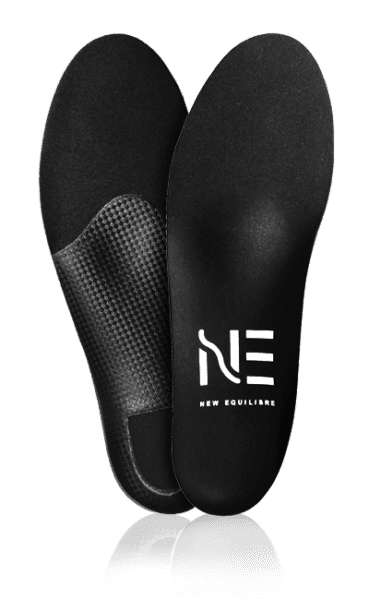

New Equilibre insoles have been tested and approved by thousands of users. Their effectiveness is clinically proven. Easily order your insoles exclusively from our online store, and rediscover the comfort your feet deserve.
Free delivery to Metropolitan France, within 2 working days.
Free returns within 14 days.
How do I know if I overpronate?
Determining if you are a pronator can be assessed by several methods, including:
- Gait observation A close observation of your gait can provide clues about your pronation type. If you notice that your feet tend to roll inward while walking or running, you may have overpronation.
- Shoe analysis: Examine the sole of your shoes for signs of asymmetrical wear. Excessive wear on the inner part of the sole can indicate overpronation, as body weight is concentrated in this area during walking or running.
- Consultation with a healthcare professional: A podiatrist or a running shoe specialist can perform a thorough evaluation of your gait and foot structure to determine if you are a pronator. They may use tools such as treadmill gait analysis or foot scans to assess your pronation type.
- Arch of the foot test: A simple test involves examining the arch of your foot when it's on the ground. If you have a relatively flat arch or observe arch collapse, it may indicate overpronation.
- Symptom evaluation If you regularly experience pain in the arch of your foot, heel, knee, hip, or back, it could be an indicator of overpronation, especially if the pain is more pronounced after physical activity.
By combining these different methods, you can gain a better understanding of your pronation type and its potential effects on your health and well-being. If you suspect overpronation and are experiencing associated symptoms, it is recommended to consult a healthcare professional for an accurate diagnosis and appropriate treatment advice.
What is pronation?
A pronated stride refers to the natural movement of the foot during walking or running, characterized by a rolling inward of the foot during the push-off phase. This pronation movement is a normal part of the human gait cycle, but in some individuals, it can be more pronounced than in others, leading to an overpronated stride.
During a stride, the foot goes through several phases, including initial ground contact, midstance, and propulsion. During the midstance phase, the foot rolls forward from the heel, allowing for a fluid transfer of body weight from one foot to the other. In individuals who overpronate, this midstance motion is characterized by excessive inward rolling of the foot, which can lead to uneven weight distribution and excessive stress on certain parts of the foot and joints.
Overpronation can have several consequences, including an increased risk of overuse injuries such as pain in the foot, knee, hip, or back. Additionally, excessive pronation can also lead to premature wear of running shoes, increased muscle fatigue, and decreased athletic performance.
It's important to note that overpronation isn't necessarily a problem in itself, but in some individuals it can contribute to gait and health issues. If you are concerned about your foot strike pattern or are experiencing symptoms associated with excessive pronation, it is recommended to consult a healthcare professional, such as a podiatrist or a movement specialist, for a personalized evaluation and treatment recommendations tailored to your individual situation.
What are the causes of pronation?
Pronation is a complex phenomenon that can be influenced by several factors, both anatomical and functional. Here are some of the common causes of excessive pronation:
- Anatomical structure of the foot: The anatomical structure of the foot, including the shape of the arch, can influence the degree of pronation. Individuals with flatter arches tend to be more prone to overpronation because they lack the natural support needed to keep the foot in a neutral position during walking or running.
- Muscle weakness : Weakness in the muscles of the foot, ankle, and leg can contribute to overpronation. Weakened muscles are unable to provide adequate support to stabilize the foot during gait, which can lead to excessive inward rolling.
- Muscle imbalance An imbalance between the leg muscles, particularly the calf muscles and the tibialis anterior muscles, can also contribute to overpronation. Excessive tension in some muscles combined with weakness in others can lead to poor posture and poor foot biomechanics during walking or running.
- Wearing ill-fitting shoes Choosing inappropriate shoes can also contribute to overpronation. Shoes that don't provide adequate arch support or aren't suited to your foot shape can encourage excessive pronation.
- Overweight : Excess body weight can put additional pressure on the feet and joints, which can contribute to overpronation, especially in individuals with an anatomical structure predisposed to pronation.
- Intensive Physical Activities Regular practice of high-impact physical activities, such as running, can lead to excessive pronation due to the constant repetition of the foot-rolling motion. Poor running technique or overtraining can also worsen the problem.
It is important to note that excessive pronation can result from a combination of these factors and that its treatment may require a multidisciplinary approach, including strengthening exercises, modifications to physical activity, and possibly the use of orthotic insoles or adapted footwear.
Supination
supination supination. While pronation involves the foot rolling inward, supination is the opposite movement, in which the foot rolls outward while walking or running.
Supination is characterized by an external rotation of the foot, which results in a distribution of body weight onto the outer side of the foot and an elevation of the arch. People who supinate often have a higher arch and a foot that appears more rigid during their gait.
Like pronation, supination can also affect the health and well-being of the feet. Excessive supination can increase the risk of injuries such as ankle sprains, due to uneven distribution of body weight and excessive pressure on the outer side of the foot.
It is important to note that pronation and supination are natural foot movements that are an integral part of the human gait cycle. However, excessive amounts of pronation or supination can lead to biomechanical and health problems. A proper balance between pronation and supination is necessary to ensure a stable and balanced gait.
If you have concerns about your gait or are experiencing symptoms associated with pronation or supination, you can contact us by email at [email protected]. Our experts will be able to answer your questions.
Article written by
Forlini Orthopedics
Orthotic insole manufacturing specialist
- Over 35 years of experience in foot care (since 1988)
- More than 5,000 patients supported each year in practice.
- At the origin of the development of New Equilibre insoles