
Foot bursitis
the complete guide
The Foot bursitis is a condition that can affect different areas, from the heel to the forefoot, depending on the constraints exerted during walking or repeated impacts. Often linked to friction, and excessive pressure or prolonged mechanical stress, it can gradually generate a localized discomfort and disturb daily comfort.
If the Calcanneal bursitis, located at the level of the talon, remains the most frequently encountered form, other locations exist, particularly around the toes or of the’forefoot.
Understanding the underlying mechanisms allows for adapting habits, footwear, and foot placement to limit the stress on sensitive areas of the foot.
What is foot bursitis?
Foot bursitis is an inflammation of a bursa, which is a small fluid-filled sac located between bones, tendons, and soft tissues.
These bursae serve to reduce friction and facilitate movement during support and walking.
At the foot level, several bursae are present. When subjected to excessive, repeated, or uneven pressure, they can become irritated and inflamed, causing bursitis.
Bursitis can therefore affect different areas of the foot, with varying symptoms and discomfort depending on the location.
The different types of foot bursitis
Calcaneal Bursitis (Heel Bursitis): Calcaneal bursitis is the most common form of bursitis of the foot.
It concerns bursae located at the back or under the heel, particularly near the Achilles tendon insertion.
It generally manifests as:
– localized pain in the back or under the heel
- increased sensitivity to shoe friction
– discomfort when walking, especially when starting
This is the location most often associated with heel pain during daily activities or sports.
Forefoot bursitis (toes): Bursitis can also appear on the forefoot, particularly around the toe joints. It can affect:
the base of the toes
– areas of contact with the shoe
– areas subjected to repeated friction
In this case, pain is often felt:
under the forefoot
– at the level of one or more toes
– when pressing or stepping in
This form of bursitis is frequently associated with local mechanical stress or ill-fitting footwear.
Other possible locations: More rarely, bursitis can affect:
– the inner or outer edge of the foot
– certain friction points between bones and tendons
These forms remain less frequent but fit into the same logic of repeated mechanical irritation.
Symptoms of bursitis in the foot
Bursitis of the foot can manifest with different signs:
- Localized pain, sometimes progressive
- touch or pressure sensitivity
- Feeling of discomfort or burning
- localized swelling
- Discomfort when walking or wearing shoes
Calcaneal bursitis
Calcaneal bursitis manifests with several characteristic symptoms, mainly localized in the heel area. Here are the main symptoms associated with this pathology:
Heel pain The pain is often sharp or throbbing and is located at the back of the heel, near the Achilles tendon. The pain can be more intense when walking, running, or with any pressure on the heel. Movements that stress the Achilles tendon, such as climbing stairs, can also worsen the pain.
Swelling Visible swelling may develop around the back of the heel. The swelling may be accompanied by redness and a feeling of warmth in the affected area.
Touch sensitivity: The area around the heel often becomes sensitive to the touch, making wearing closed shoes uncomfortable or painful. This sensitivity can cause discomfort even at rest, when the heel is pressed against a hard surface.
Morning pain The pain may be more pronounced in the morning upon waking or after a prolonged period of inactivity. This morning intensification of pain is often due to stiffness in the tendons and muscles around the inflamed bursa.
Limited range of motion Due to pain and inflammation, movement of the foot and ankle can be limited. Daily activities such as walking, running, or standing for long periods can become difficult.
Redness and warmth In addition to swelling, the skin around the heel may become red and warm to the touch, indicating active inflammation.
Metatarsal bursitis
When bursitis affects the forefoot, it is called metatarsal bursitis.
It generally manifests as localized pain under the forefoot, often felt when walking or during prolonged pressure. This discomfort can be accompanied by a feeling of pressure, burning, or discomfort at the base of the toes, especially when wearing tight or rigid shoes.
Where is the pain located in foot bursitis?
Pain associated with foot bursitis is generally localized and directly dependent on the bursa involved:
- at the back or under the heel for calcaneal bursitis
- under the forefoot or at the base of the toes for forefoot bursitis
- sometimes on the sides of the foot depending on the affected area
Pain can be exacerbated:
- walking
- When pressing and holding
- on contact with or friction from the shoe
Causes of bursitis in the foot
Foot bursitis is most often related to mechanical overuse of certain areas of the foot. Among the factors frequently involved:
- tight, narrow, or ill-fitting shoes
- repeated friction (back of heel, forefoot, toes)
- Regular or intensive sports practice
- excessive or unbalanced support
- excess weight increasing constraints
- Specifics of foot posture or foot biomechanics
Ground impact sports
Athletes who run a lot (like players Soccer, the marathon runners, the players Rugby...) can be affected by this disorder due to the continuous friction of their tendons and the repetitive movements related to their practice.
Soil hardness or a change of shoes can also make the heel work differently and cause calcaneal bursitis due to overuse of the Achilles tendon. Rheumatic diseases such as gout, collagen disease, or rheumatoid arthritis can be causes of bursitis in the foot.
What treatments are available for bursitis in the foot?
Treating heel bursitis requires a multifaceted approach to reduce inflammation, relieve pain, and prevent recurrence. Here are the main treatment methods:
Rest and reduced activity: Rest is essential to allow the inflamed bursa to heal. It is advisable to reduce or avoid activities that cause pain, such as prolonged walking or intense sports. Limiting movement and giving the foot time to rest can significantly reduce inflammation.
Ice cream application Applying ice to the affected area several times a day for 15 to 20 minutes can help reduce inflammation and pain. Be sure to always wrap the ice in a cloth to avoid ice burns.
Anti-inflammatory drugs: Nonsteroidal anti-inflammatory drugs (NSAIDs), like ibuprofen or naproxen, can be used to reduce inflammation and relieve pain. Consult a doctor before starting any medication treatment.
Physical therapy Physical therapy can be beneficial for strengthening the muscles around the heel, improving flexibility, and reducing pressure on the bursa. Specific exercises can help stretch and strengthen the tendons and muscles of the foot.
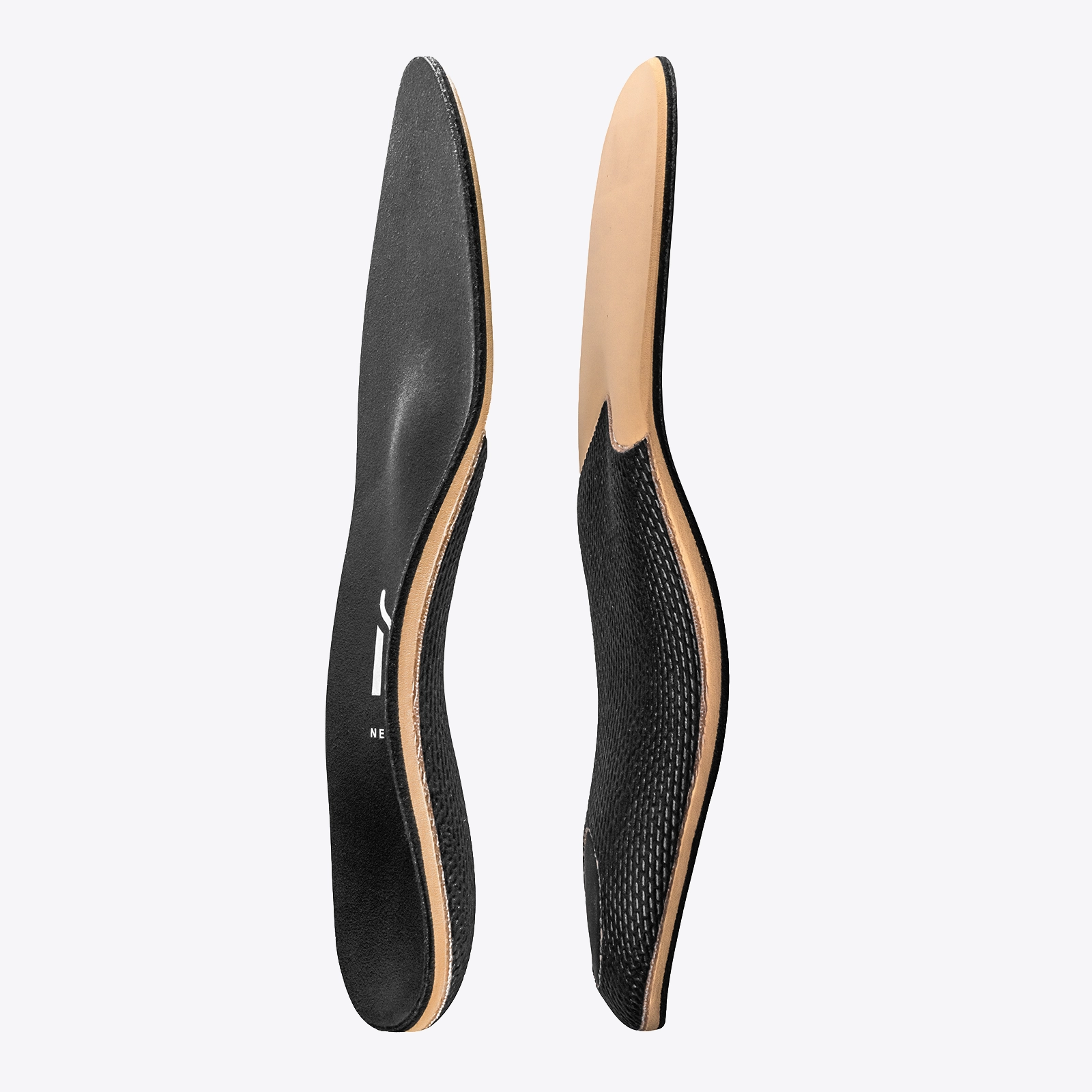
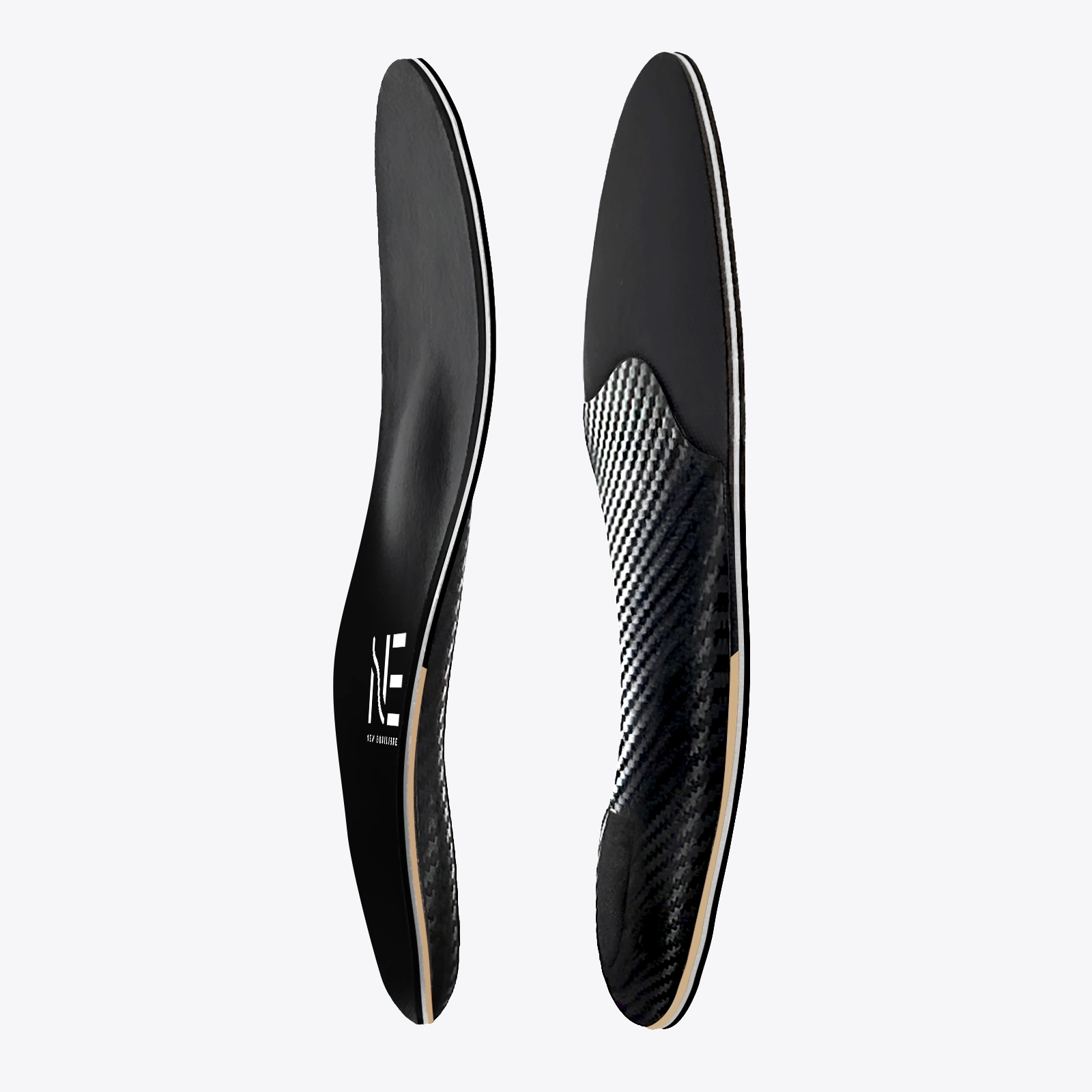
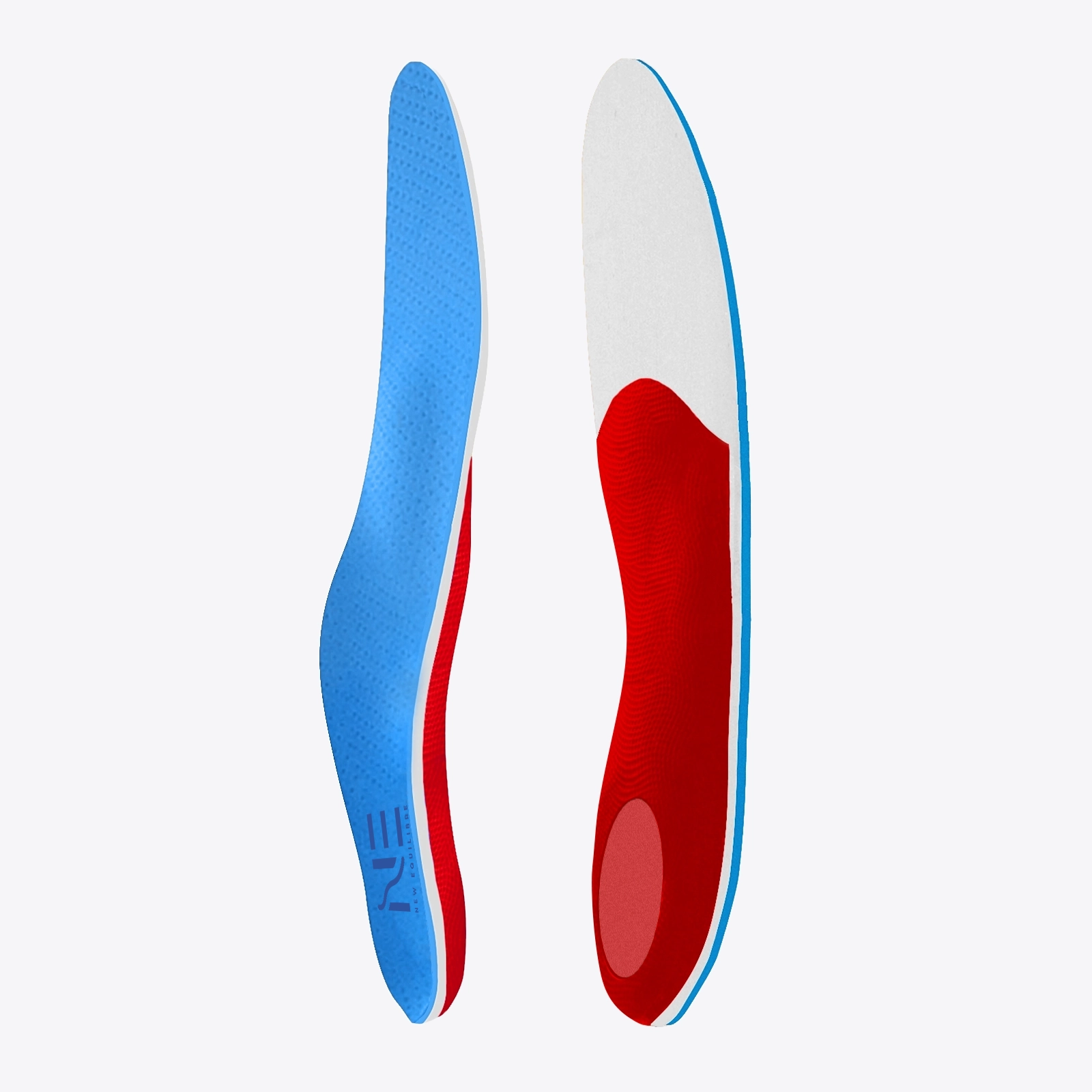
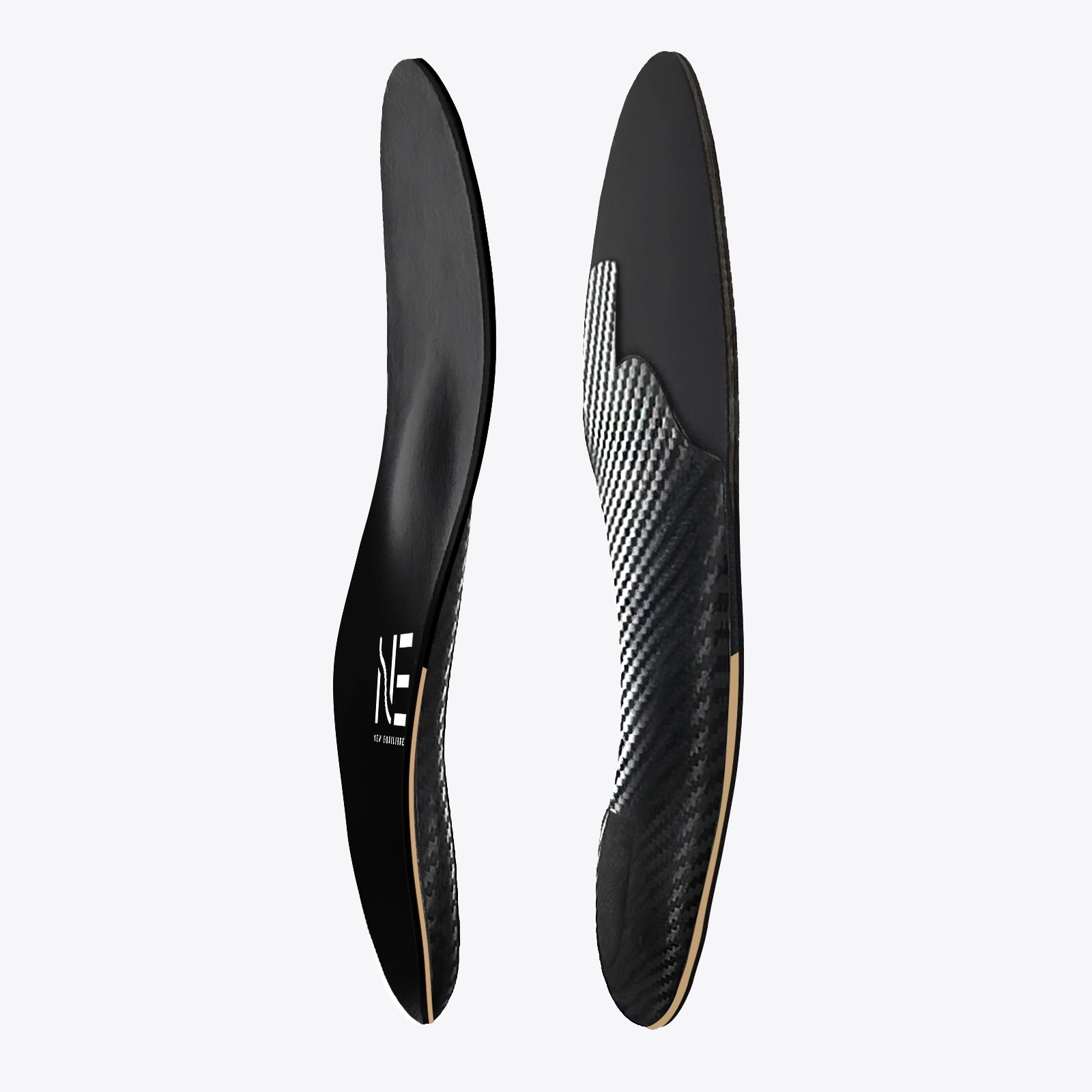
Orthotic insoles Wearing orthopedic insoles, such as New Equilibre insoles, is an effective method for treating heel bursitis. These insoles provide extra arch support and help distribute pressure evenly across the foot, thereby reducing irritation to the Bursae synoviales.
Shoe change Wearing appropriate shoes is essential for preventing and treating bursitis. Choose shoes with good cushioning and adequate arch support. The shoes should be wide enough to avoid any additional pressure on the heel.
Corticosteroid injections: In severe cases, corticosteroid injections may be administered to reduce inflammation and relieve pain. However, this option should be discussed with a healthcare professional due to potential side effects.
Surgery Surgery is rarely necessary, but in cases where conservative treatments fail, surgery may be considered to remove the inflamed bursa sac.
Additional techniques: Complementary techniques such as acupuncture or massage can also be explored to relieve pain and improve blood circulation in the affected area.
By adopting these treatment methods, it is possible to effectively manage bursitis of the foot, reduce pain, and restore normal mobility.
Bursitis of the foot does not affect just one isolated area. It is often part of the foot’s overall balance, in which posture, mobility, and the distribution of weight play a key role. The foot forms the foundation of this chain. When weight distribution is unbalanced or the foot is subjected to excessive stress, certain areas of the foot may experience repeated pressure or excessive friction, leading to irritation of the bursa, particularly in the heel or forefoot. These mechanical stresses influence the dynamics of walking and daily movements, potentially maintaining or exacerbating the discomfort associated with bursitis.
It all starts with the foot.
In this context, some people choose to act on their base of support.
Insoles designed to improve foot support can help distribute pressure more harmoniously under the foot, particularly in sensitive areas such as the heel or the forefoot.
Optimizing support by proposing a more stable and coherent base with the natural biomechanics of the foot thus helps to avoid .
Do you play a sport and have questions about your footwork?
Select your activity to discover New Equilibre insoles designed to support movement.
Adjust the supports to reduce stress
In the context of foot bursitis, some people choose to modify their plantar supports to reduce pressure on sensitive areas.
The right insoles can help:
- distribute the pressure under the foot more evenly
- minimize areas of excessive pressure, particularly on the heel or forefoot
- improve comfort when walking and putting on shoes
This approach is part of a functional support strategy, complementing other measures implemented.
How insoles optimize foot support
Influence on foot pressure distribution: The insoles are designed to support the foot in its natural position and promote a more balanced distribution of pressure. By acting directly at the source of movement, they can help reduce areas of excessive pressure, particularly in the heel or forefoot, which are often affected in cases of bursitis.
Mechanical stress distribution: By improving the quality of ground contact, the insoles help distribute the mechanical stress exerted on the foot more evenly. This approach aims to reduce repeated stress on certain sensitive areas, which can cause irritation of the bursa during walking or daily activities.
Stability during walking and support: A more stable foundation promotes smoother, better-controlled walking. The insoles support the natural rolling motion of the foot and contribute to a continuity of movement, without stiffening or restricting each person's own biomechanical dynamics.
Ground impact management: The materials used in the design of the insoles help to absorb impacts from contact with the ground, particularly during heel strike or repeated walking phases. This impact management contributes to functional comfort, especially during activities involving prolonged standing or frequent movement.
New Equilibre Insoles
The New Equilibre Insoles They are designed based on over 35 years of biomechanical foot analysis in orthopedic practices. They easily fit into everyday or sports shoes and aim to support movement while respecting the natural anatomy of the foot.
«It all starts with the foot.»
New Balance, a new impetus.
These insoles address podiatric concerns while taking into account the specific supports for tennis. I've been experiencing pain with every stride on the court for 2 years. The pain is receding, the insoles are effective, I'm amazed! Thank you New Équilibre"
Strongly suggested"
FAQ - Frequently Asked Questions About Bursitis of the Foot:
How to put on shoes with bursitis?
Wearing the right shoes is essential for managing and relieving heel bursitis. Choosing the right footwear and accessories can reduce pain, prevent worsening inflammation, and promote healing.
To start, it's essential to choose shoes with good cushioning, especially in the heel. This helps absorb shock and reduce pressure on the inflamed bursa. Therefore, opt for sneakers/basketball-type shoes with a thick outsole and good structure. Using New Equilibre insoles in addition helps to stabilize the foot well in the shoe and offers optimal comfort and support due to their thermoformed shape. This way, your foot becomes one with the shoe.
Next, it is important to wear shoes that are wide enough and fit properly to prevent pressure on the heel. Shoes should provide enough room for the toes to move freely, while ensuring a comfortable fit. Breathable and flexible materials are also recommended.
Avoid high heels, which increase pressure on the heel and cause postural imbalance, and opt for low wedge heels with good cushioning for a perfect balance between comfort and support. Orthopedic shoes, specially designed to provide optimal support and maximum comfort, may be recommended in severe cases.
Investing in comfortable shoes and New Balance insoles can greatly improve your comfort.
How long does bursitis in the foot last?
The duration of bursitis can vary considerably depending on several factors, including the severity of the inflammation, the underlying cause, and the effectiveness of the treatment. In general, bursitis can be acute or chronic, and each type has a different duration.
Acute bursitis
Acute bursitis is typically a sudden and severe inflammation that occurs as a result of trauma or overuse. With proper treatment, such as rest, ice application, and anti-inflammatory medications, symptoms of acute bursitis may begin to improve within a few days to a few weeks. Generally, acute bursitis can last from a few days to about six weeks. Complete recovery depends on how quickly treatment measures are implemented and on the elimination of contributing factors, such as repetitive movements or ill-fitting shoes.
Chronic bursitis:
Chronic bursitis, on the other hand, is a prolonged inflammation that persists beyond the acute phase. It can result from continuous irritation, overuse, or poor posture. This form of bursitis can last for months, or even years, if the underlying causes are not properly treated. The duration of chronic bursitis largely depends on the ability to modify habits that worsen the inflammation and the response to treatment. Interventions such as physical therapy, lifestyle modifications, and sometimes corticosteroid injections may be necessary to achieve lasting relief.
Factors affecting duration:
Treatment and Management: Early and appropriate treatment is crucial to reduce the duration of bursitis. Applying ice, rest, anti-inflammatory medications, and orthotics can speed up healing.
Individual factors: The duration may also be influenced by individual factors such as age, overall physical condition, and the presence of other medical conditions that can slow down recovery.
Avoiding aggravating causes: Avoiding activities that cause pain or worsen inflammation is essential. Continuing these activities can prolong the duration of bursitis.
In summary, the duration of bursitis can vary from a few days to several months, or even years, depending on its type and the factors influencing healing. Prompt and appropriate treatment, as well as effective management of contributing factors, are essential to reduce the duration of bursitis and improve the chances of a full recovery.

Article written by Forlini Orthopédie
Orthotic insole manufacturing specialist
- Over 35 years of experience in foot care (since 1988)
- More than 5,000 patients supported each year in practice.
- At the origin of the development of New Equilibre insoles