
Hallux Valgus
the complete guide
A Hallux valgus (also called Bunion or bunion), is a progressive deformation of the big toe joint, which deviates inward. This common condition primarily affects women and can lead to persistent pain, painful rubbing inside shoes, inflammation, or even swelling or redness of the affected joint. Often linked to poor foot posture, ill-fitting shoes, or hereditary factors, a bunion can impair mobility and negatively impact daily quality of life. To alleviate symptoms or slow the progression of the deformity, several solutions exist: orthotics, night splints, orthopedic insoles, or orthopedic shoes designed to limit pressure points.
Understanding the origin of hallux valgus allows for a better grasp of its function and the adoption of appropriate solutions, with a focus on respecting the body and movement.
What is a Hallux Valgus?
Hallux valgus, also known as “bunion” or hallux abducto valgus, is a progressive deformation of the forefoot. It is characterized by a lateral displacement of the big toe (hallux) towards the second toe, associated with a painful bony prominence at the base of the joint.
This condition is commonly seen in women over the age of 40 and affects approximately 23% of adults between the ages of 18 and 65, with prevalence increasing among those over 65.
Hallux valgus, also known as “bunion” or hallux abducto valgus, is a progressive deformation of the forefoot. It is characterized by a lateral displacement of the big toe (hallux) towards the second toe, associated with a painful bony prominence at the base of the joint.
This condition is commonly seen in women over the age of 40 and affects approximately 23% of adults between the ages of 18 and 65, with prevalence increasing among those over 65.

Symptoms of a bunion
People with bunions often describe:
- pain in the big toe
- a forefoot collapse
- discomfort when walking or standing
- Sometimes pain under the metatarsal heads
What does a bunion look like?
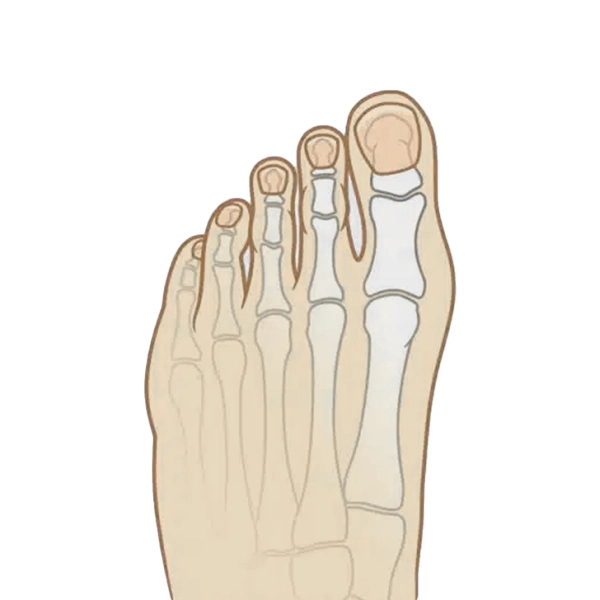
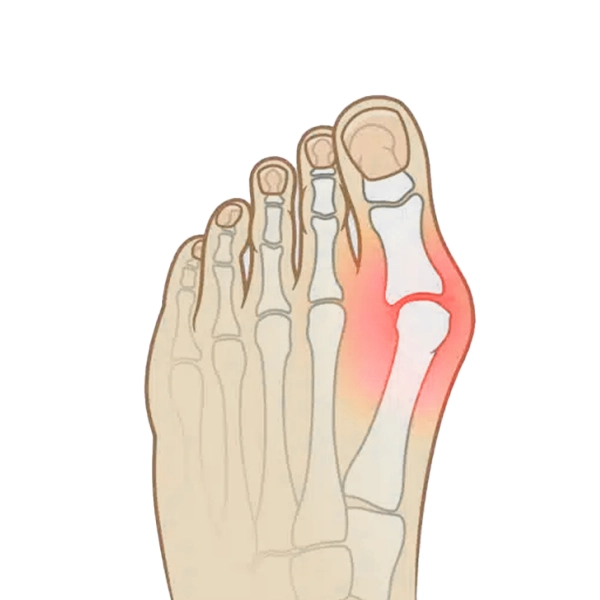
Main symptoms
The symptoms of hallux valgus usually appear progressively and can vary in intensity depending on the development of the deformity. In the early stages, discomfort may be mild, but it tends to increase over time if no solution is implemented.
A visible deformity of the big toe. The most characteristic sign of hallux valgus is the deviation of the big toe towards the other toes. This misalignment leads to the formation of a bump on the inside of the foot, commonly called a bunion.
This deformity becomes more and more visible over time and can lead to overlapping toes in advanced cases.
Forefoot pain: The majority of patients experience pain related to bunions, particularly at the big toe joint. This pain is often exacerbated:
– during prolonged walking
– during a sports activity
– when wearing narrow or stiff shoes
Over time, the pain can spread to the entire forefoot due to poor weight distribution.
Increased inflammation and tenderness The bunion on the foot can become red, hot, and sensitive to the touch. This inflammation of the hallux valgus is often linked to repeated friction in the shoe.
In some cases, bursitis (inflammation of a small fluid-filled sac) may develop, increasing pain and discomfort in daily life.
Rubbing and difficulty putting on shoes: One of the most bothersome symptoms remains the difficulty in wearing certain shoes. The foot deformity leads to repeated friction, which can cause:
– annoyances
– ampoules
– corns and calluses
The shoes then become uncomfortable, even painful, even for daily use.
A modification of the foot supports: Hallux valgus is not limited to a simple visual deformity. It disrupts the foot's support, altering weight distribution during walking. This can cause:
– pain under the forefoot (metatarsalgia)
– an overload on certain support points
– quicker foot fatigue
These imbalances can also impact overall posture.
A progressive worsening of symptoms: Without appropriate support, the symptoms of hallux valgus tend to worsen. Pain can become more frequent, the deformity more pronounced, and daily discomfort more significant. This is why it is essential to act at the first signs to limit the progression of hallux valgus and preserve walking comfort.
Causes of hallux valgus
Hallux valgus can have several origins:
Hereditary factors: Some people are predisposed to developing hallux valgus due to heredity. An already weakened bone structure or a misaligned foot position can encourage the appearance of the deformity.
Wearing inappropriate shoes: Repeatedly wearing high-heeled shoes shifts body weight to the forefoot, causing excessive pressure, which is a very common cause of this bone deformity. Tight or stiff shoes can also put excessive pressure on the big toe, causing friction and worsening the deformity.
Foot morphology: Flat feet, overpronation, or plantar support problems can disrupt the natural alignment of the foot and hinder weight distribution during walking.
Other factors: Menopause, hormonal disorders, and certain inflammatory diseases like rheumatoid arthritis can also be part of the picture.
What treatments are available for a bunion?
The treatment of hallux valgus depends on the underlying cause of the pain. Here are some commonly used approaches to relieve hallux valgus:
Adapting shoes: It is very important to choose shoes that are wide enough to avoid rubbing on the forefoot. Sneaker-type shoes are ideal for maintaining comfort.
Wearing orthopedic shoes may be necessary when a bunion is in an advanced stage.
Using braces or splints Daytime orthotics or night splints can correct the position of the big toe and slow the progression of a bunion. They also relieve pain and reduce pressure.
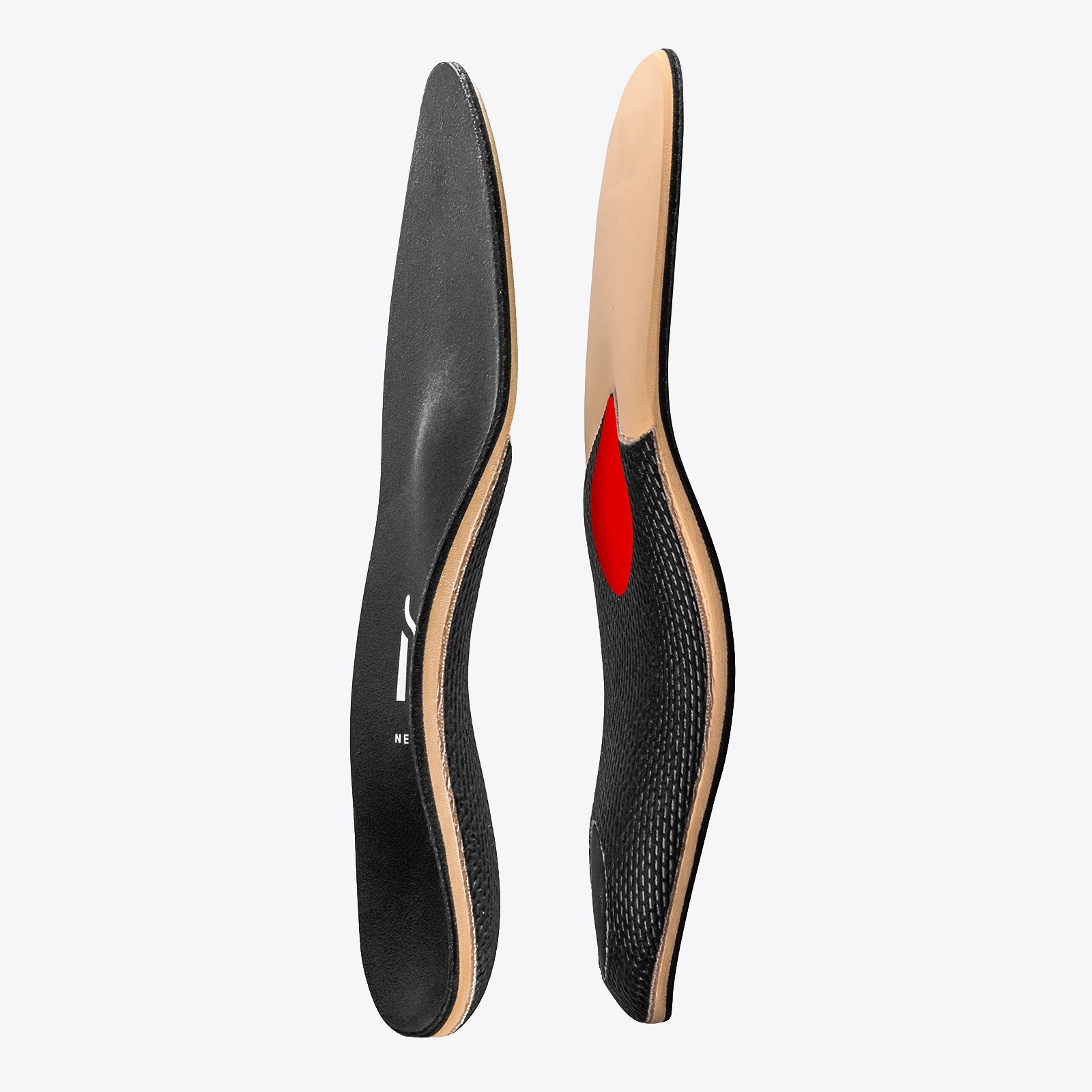
Wear orthopedic insoles: The Orthotic insoles for bunions are a very effective solution for relieving the pain caused by a bunion. They help rebalance the foot's support by supporting the forefoot and relieving pressure points. It is important to know that Hallux Valgus generally leads to a collapse of the anterior arch of the foot, and insoles with retro-capital support are essential for rebalancing the foot's pressure.
Consult a podiatrist or orthopedist The podiatrist and the orthopedist are the go-to professionals for analyzing your foot, proposing a treatment plan and custom insoles. They can also recommend rehabilitation exercises or chiropody services for corns or infections related to friction.
Bunions often occur within an overall body balance, where posture, mobility, and the way weight is distributed play an essential role. The foot forms the base of this chain.
It all starts with the foot.
In this context, some people choose to act on their movement base.
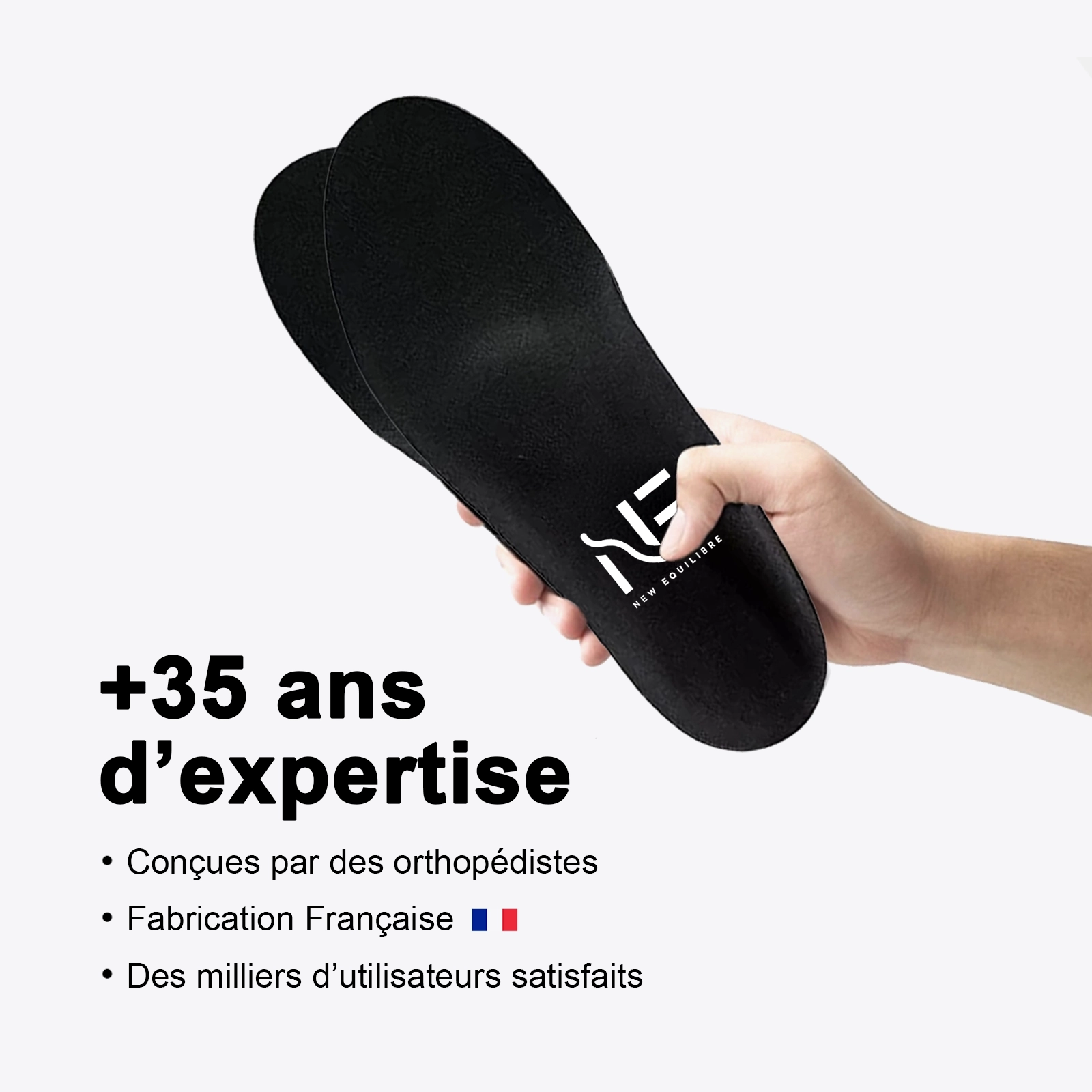
Insoles designed to improve the quality of foot support can help provide more even stress distribution during walking or daily activities. The goal is not to treat a pathology, but to support the body by offering a more stable base that is more aligned with its natural biomechanics.
★★★★★ Rated 4.9 Rated 5 out of 5 by customers.
Acting on supports: the role of footings
When looking at hallux valgus, it is important to consider the body as a whole.
The foot is the primary point of contact with the ground and plays a central role in how stress is transmitted to the rest of the body during walking or everyday movements. That is why orthotic insoles for bunions are a real asset for reducing pain and improving long-term comfort.
How do insoles affect the foundation of movement?
Influence on posture and overall alignment: The insoles are designed to support the foot in its natural position and promote a more balanced distribution of pressure. By acting at the base of the body, they can influence overall posture and how forces are distributed during movement.
Mechanical stress distribution: By improving the quality of ground support, insoles help to distribute stress more evenly across the feet, legs, and pelvis. This approach aims to limit localized overloads related to certain postural habits or repetitive movements.
Stability while walking A more stable base allows for smoother, better-controlled walking. The insoles support the foot's roll and contribute to better movement continuity, without trying to stiffen or restrict natural dynamics.
Ground Impact Management The materials used in the design of the insoles help to manage the impact when contacting the ground. This impact management is part of a logic of functional comfort, especially during daily activities involving walking or prolonged standing.
New Equilibre Insoles
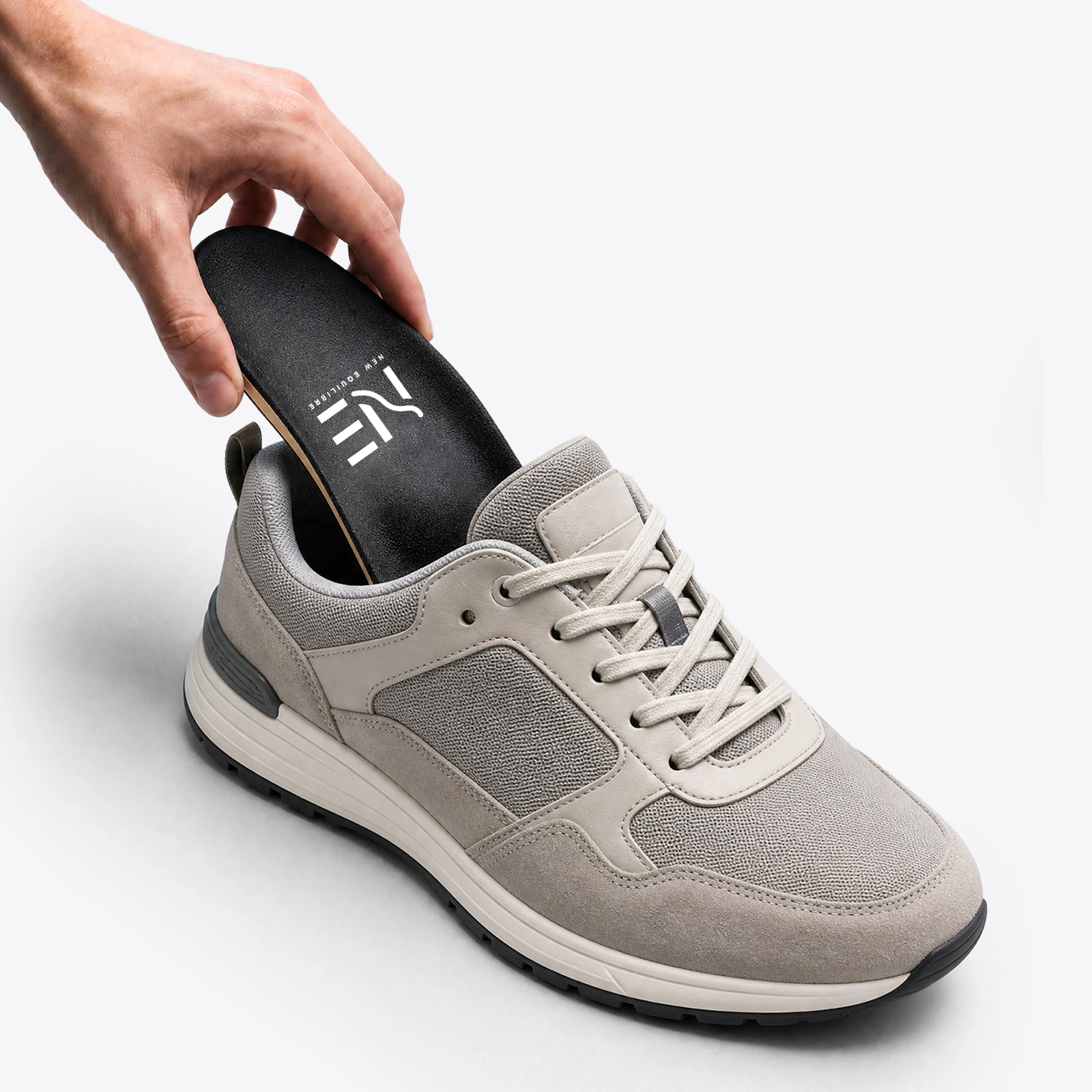
The Hallux Valgus New Balance insoles They are designed based on over 35 years of biomechanical foot analysis in orthopedic practices. They easily fit into everyday or sports shoes and aim to support movement while respecting the natural anatomy of the foot.
They allow prevent and of relieve effectively treat a bunion, in the long run. Designed to adapt to the specific needs of each body type, the New Equilibre Insoles offer targeted support to help reduce pressure on the heel and significantly improve everyday comfort.
«It all starts with the foot.»
New Balance, a new impetus.
FAQ - Frequently Asked Questions about Hallux Valgus:
Hallux valgus surgery: when to consider it?
When pain becomes constant, mobility is severely reduced, or other treatments no longer provide relief, surgery may be considered on the surgeon's recommendation.
Hallux valgus surgery consists of correcting the bone deviation, realigning the joint, and removing the bunion. Several techniques exist, depending on the severity and type of deformity. A recovery period of several weeks is necessary, with limited weight-bearing, wearing a post-operative shoe, and rehabilitation follow-up. In most cases, the results are long-lasting and allow a return to comfortable walking.
Is hallux valgus painful?
Yes, bunions can cause pain, especially when walking or wearing tight shoes. The pain is often located at the bunion itself but can also spread to the forefoot.
What type of shoe for bunions?
The best shoes for hallux valgus are:
- wide in the forefoot
- soft
- without compression on the onion
Shoes that fit well and have good volume help limit rubbing and pain.
Can a bunion disappear?
No, a bunion does not disappear on its own. However, it is possible to slow its progression and relieve pain with appropriate solutions like orthopedic insoles or suitable shoes.
Can you walk with an hallux valgus?
Yes, it is entirely possible to walk with hallux valgus, especially if solutions are implemented to improve support and limit pain. However, without proper management, discomfort can increase over time.
Are insoles effective for bunions?
Yes, our insoles designed for bunions are effective for rebalancing foot support, reducing pressure on the forefoot, and improving walking comfort. They do not act directly on the deformity, but help limit pain and worsening.
How to prevent a bunion from worsening?
To prevent the worsening of a bunion, it is recommended to:
- wear appropriate shoes
- correct the foot supports
- avoid excessive pressure on the forefoot
- avoid high-heeled shoes
- avoid narrow shoes
Early support is essential.
Article written by
Forlini Orthopedics
Orthotic insole manufacturing specialist
- Over 35 years of experience in foot care (since 1988)
- More than 5,000 patients supported each year in practice.
- At the origin of the development of New Equilibre insoles