
IT band syndrome
the complete guide
- Published on
- By New Equilibre
SUMMARY :
Often linked to overtraining, poor posture, or lack of warm-up, iliotibial band syndrome requires appropriate management to prevent recurrence. Effective solutions include cryotherapy (ice), stretching, physiotherapy, osteopathy, as well as the use of orthopedic insoles or orthotics to correct biomechanical imbalances.
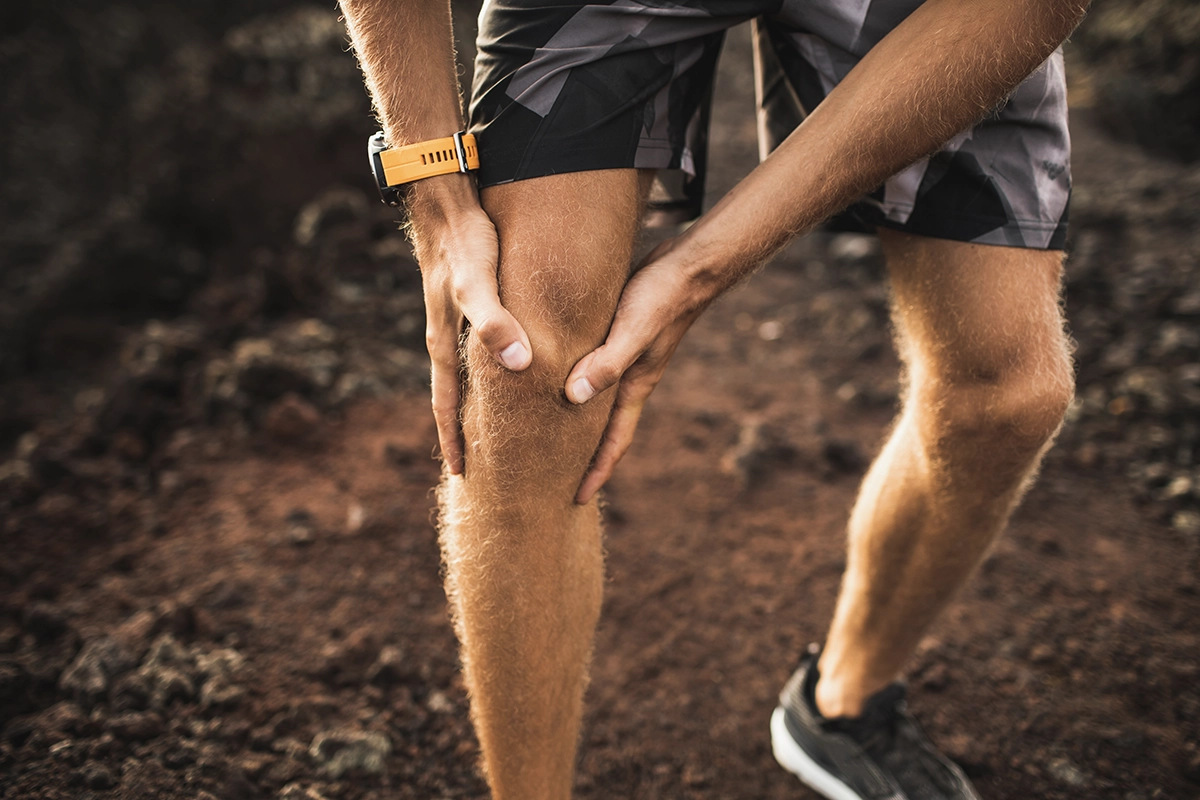
What is runner's knee?
This condition primarily affects athletes, particularly runners and cyclists, who perform repetitive movements that involve bending the knee. In fact, approximately 75% of runners have experienced this condition at some point.
The iliotibial band syndrome is also the second most common injury in running, earning it the nickname “Runner's neck”. This is a muscular inflammation caused by the repeated friction of the fascia lata muscle against the femur bone.
TFL syndrome symptoms:
Symptoms of iliotibial band syndrome typically include pain localized to the outside of the knee, which can worsen with physical activity, particularly running or prolonged walking. Individuals with this syndrome may also experience stiffness or swelling in the knee.
Causes of ITBS:
The exact causes of this condition are not always clear, but they are often linked to overuse or repetitive movements that lead to excessive friction of the iliotibial band against the femur bone. Factors such as muscle imbalances, poor running technique, inappropriate footwear, or running on an inclined surface can also contribute to the development of this condition.
How to treat iliotibial band syndrome?
When faced with iliotibial band syndrome, finding effective ways to relieve pain and promote healing becomes a priority. Several medical and natural approaches can be used to treat this condition and improve the quality of life for those affected. Let's explore the different options available to alleviate symptoms and speed up the healing process.
Medications for iliotibial band syndrome:
Natural treatments for IT band syndrome:
Orthotic insoles for pain relief:
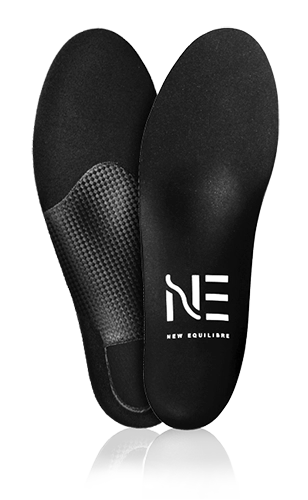
Orthotic insoles can play an important role in treating IT band syndrome by providing additional support and helping to correct biomechanical imbalances that may contribute to alleviating this condition. These insoles can help reduce the tension on the iliotibial band during physical activity, which can help relieve pain and prevent recurrence.
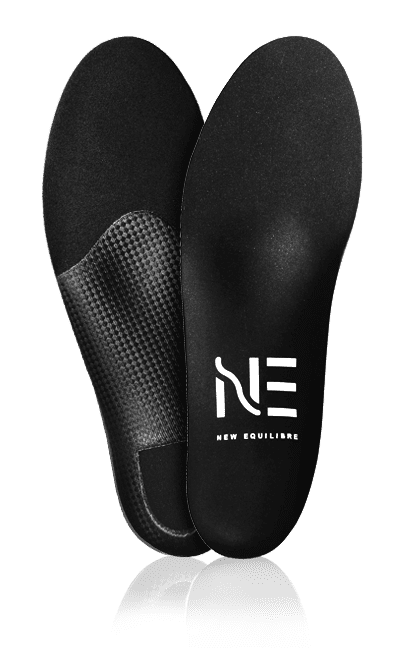
New Equilibre has therefore designed high-tech insoles to relieve this pathology.
Their thermoformed design provides perfect support for your entire foot by supporting your medial, lateral, and posterior arches, which relieves pressure on your entire musculoskeletal system. This is what allows inflammation to subside very quickly, by properly realigning the axis of your knees to prevent excessive friction between the iliotibial band and the femur. Additionally, the shape of the New Equilibre insoles increases your contact surface area to 100%, thereby distributing your weight over a larger surface while rebalancing your posture.
New Equilibre insoles have been tested and approved by thousands of users. Their effectiveness is clinically proven. It's easy to order your insoles exclusively from our online store, and regain the comfort your feet deserve.
Free delivery to metropolitan France, within 2 working days.
How long does ITBS last?
The healing time for IT band syndrome can vary depending on the severity of the condition and how it is treated. In general, with appropriate treatment, most people with this syndrome can expect significant symptom improvement within a few weeks to a few months. Wearing custom thermoformed orthotic insoles can reduce healing time to a few days. However, it is important to slow down physical activity at the beginning of treatment to speed up the healing process.
Article written by
Forlini Orthopedics
Orthotic insole manufacturing specialist
- Over 35 years of experience in foot care (since 1988)
- More than 5,000 patients supported each year in practice.
- At the origin of the development of New Equilibre insoles