
Dysesthesias
the complete guide
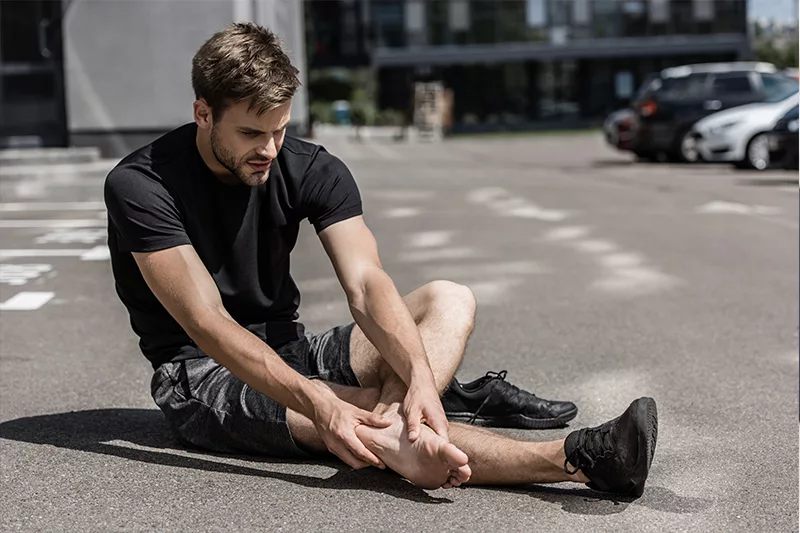
Foot dysesthesias encompass a range of abnormal sensations felt in the sole of the foot or toes, such as tingling, prickling, burning, or numbness. These sensations can appear sporadically or become chronic, proving to be a daily nuisance.
Often linked to nerve irritation or excessive pressure on certain areas of the foot, dysesthesias are frequently observed in active individuals and athletes. Although generally benign, they often indicate an imbalance that is important to correct to prevent worsening.
What is dysesthesia?
The term dysesthesia refers to an abnormal perception of sensation. Unlike classical pain caused by a shock or an identifiable injury, dysesthesia corresponds to an alteration of the nerve signal, which can appear without real stimulation or be disproportionately amplified.
At the foot level, this disturbance can manifest as various sensations: a feeling of heat, diffuse tingling, the sensation of an electric shock, or partial loss of sensation. These signs often appear in the toes or the forefoot, areas that are particularly strained during walking and sports activities.
Dysthesia or paresthesia: what's the difference?
The terms «dysesthesia» and «paresthesia» are often used in the context of sensory disorders, but they describe distinct phenomena. Here are the main differences between these two conditions:
Dysthesia refers to unpleasant or painful abnormal sensations, often in response to stimuli that would not normally cause pain.
Paresthesia Describes abnormal sensations that appear without apparent external stimulus. These sensations can include tingling, numbness, prickling, or «tickling» sensations.
| Dysesthesias | Paresthesias | |
|---|---|---|
| Frequent sensations | Unpleasant or painful. Sensations can include burning, electric shocks, or throbbing pain. | Non-painful. Sensations are generally described as tingling, prickling, or numbness. |
| Duration | Often chronic and persistent. Continuous, generally associated with neuropathic conditions. | Often temporary and benign. Transient nerve compressions. |
| Examples | Burning sensation in the feet of diabetic patients, pain with light touch in patients with neuropathy. | Tingling in the legs after sitting in an uncomfortable position, or prickling in the hands after lying on your arm. |
Symptoms of dysesthesia
People affected by dysesthesia often describe:
- a burning sensation in the toes
- Tingling in the forefoot
- numbness in the toes
Where is the pain of cruralgia located?
The feet are one of the areas most frequently affected by dysesthesia. This condition can make walking and daily activities extremely uncomfortable. Dysesthesia of the feet often manifests as sensations of burning, tingling, numbness, or pins and needles. These symptoms can be continuous or intermittent, but in any case, they affect the quality of life for those who suffer from them.
The causes of foot dysesthesia can be numerous. Peripheral neuropathies, often caused by diabetes, are a common cause. Nerve injuries, infections, or autoimmune conditions can also trigger these sensations.
Main symptoms
Foot dysesthesias manifest as varied sensations, which can evolve over time.
The most common are tingling sensations in the toes, often described as a feeling of “pins and needles.” These can appear gradually and intensify during walking or after prolonged activity.
Some people also feel a burning sensation under the sole of the foot, sometimes localized to the forefoot. This sensation is often more pronounced at the end of the day or after exertion.
Numbness is another common symptom. The foot may feel “asleep,” with a partial loss of sensation that can impair walking.
Finally, increased sensitivity to touch can appear. Wearing shoes then becomes uncomfortable, even without significant pressure, due to irritation of already stressed areas.
These symptoms can be intermittent or persistent. Their progression depends mainly on the mechanical stress placed on the foot.
The 3 types of sensitivities
Human sensory sensitivity is divided into three main categories:
- Exteroceptive sensitivity It relates to sensations from the skin, such as touch, pressure, temperature, and pain. Skin receptors transmit this information to the brain, allowing us to perceive external stimuli.
- Proprioceptive sensitivity It concerns the perception of the position and movement of different body parts. Receptors located in muscles, tendons, and joints send signals to the brain, helping to maintain balance and coordination.
- Interoceptive sensitivity It involves sensations coming from the internal organs. These receptors detect physiological changes, such as hunger, thirst, or visceral pain, and transmit this information to the brain for an appropriate response.
These three types of sensitivity are essential for the normal functioning of the body and the perception of the environment. Any alteration of these systems, as is the case with dysesthesias, can lead to abnormal and unpleasant sensations.
The causes of dysesthesia
Dysthesia can have several origins:
- pressure excessive forefoot
- Prolonged compression
- Postural problems
- muscle imbalances
- Repeated mechanical stress
Foot dysesthesias can have several origins, often combined. The most common cause remains local nerve compression. This occurs when the nerves in the foot are subjected to excessive pressure, particularly in shoes that are too tight or during repetitive strain. This compression disrupts the transmission of nerve information and leads to characteristic sensations.
Another major factor is the poor distribution of support. When body weight is poorly distributed on the foot, certain areas are overloaded, which can irritate the surrounding nerve structures. This phenomenon is particularly common in cases of flat feet, high arches, or forefoot overload.
Sports activities also play an important role. Repetitive movements, impacts on the ground, and friction can increase mechanical stress on the foot. This explains why some disciplines are more exposed than others.
Sports most affected by dysesthesias
Certain sports practices promote these sensations more:
- Cycling: the pressure on the front of the foot is constant when pedaling
- Running: Repeated impacts on the forefoot
- Football: Quick footwork and narrow cleats (shoes)
- Tennis/Padel: Powerful Lateral Movement
- Hiking: long walks and prolonged compression
In these contexts, dysesthesias are often related to a combination of pressure, friction, and fatigue of the foot structures.
What treatments are available for dysesthesia?
The management of dysesthesias primarily relies on the identification and correction of the cause.
A first step is to adapt your shoes. Models that are too narrow or stiff put extra pressure on nerves and should be avoided. Wider shoes in the forefoot can reduce compression and improve comfort.
It is also important to limit repeated stress, especially in the context of intensive sports practice. Adapting the intensity or duration of activities can help reduce symptoms.
But in many cases, the central element remains the correction of foot support. As long as the pressure is unevenly distributed, the nerve irritation persists.
Non-drug treatments
Physical Therapies Physiotherapy can help improve nerve function and reduce symptoms. Strengthening exercises, electrical stimulation, and massage are often beneficial.
Orthotic insoles Orthotic insoles help rebalance foot support and thus relieve the musculo-tendinous system, and are particularly effective in alleviating dysesthesia.
Stress management Stress can exacerbate dysesthesia symptoms. Relaxation techniques, such as meditation and yoga, can be helpful.
Medical treatments
Medications Antidepressants, anticonvulsants, and pain relievers can be used to manage neuropathic pain and abnormal sensations.
Surgical interventions In some cases, surgery may be necessary to correct structural abnormalities or nerve compressions.
It is important to consult a healthcare professional to develop a treatment plan adapted to each individual.
The treatment of dysesthesia often involves a global body balance, where posture, mobility, and how weight is distributed play an essential role. The foot forms the base of this chain. When the support on the ground is unbalanced, certain areas of the body can be more stressed, which influences the dynamics of movement.
It all starts with the foot.
In this context, some people choose to act on their movement base.
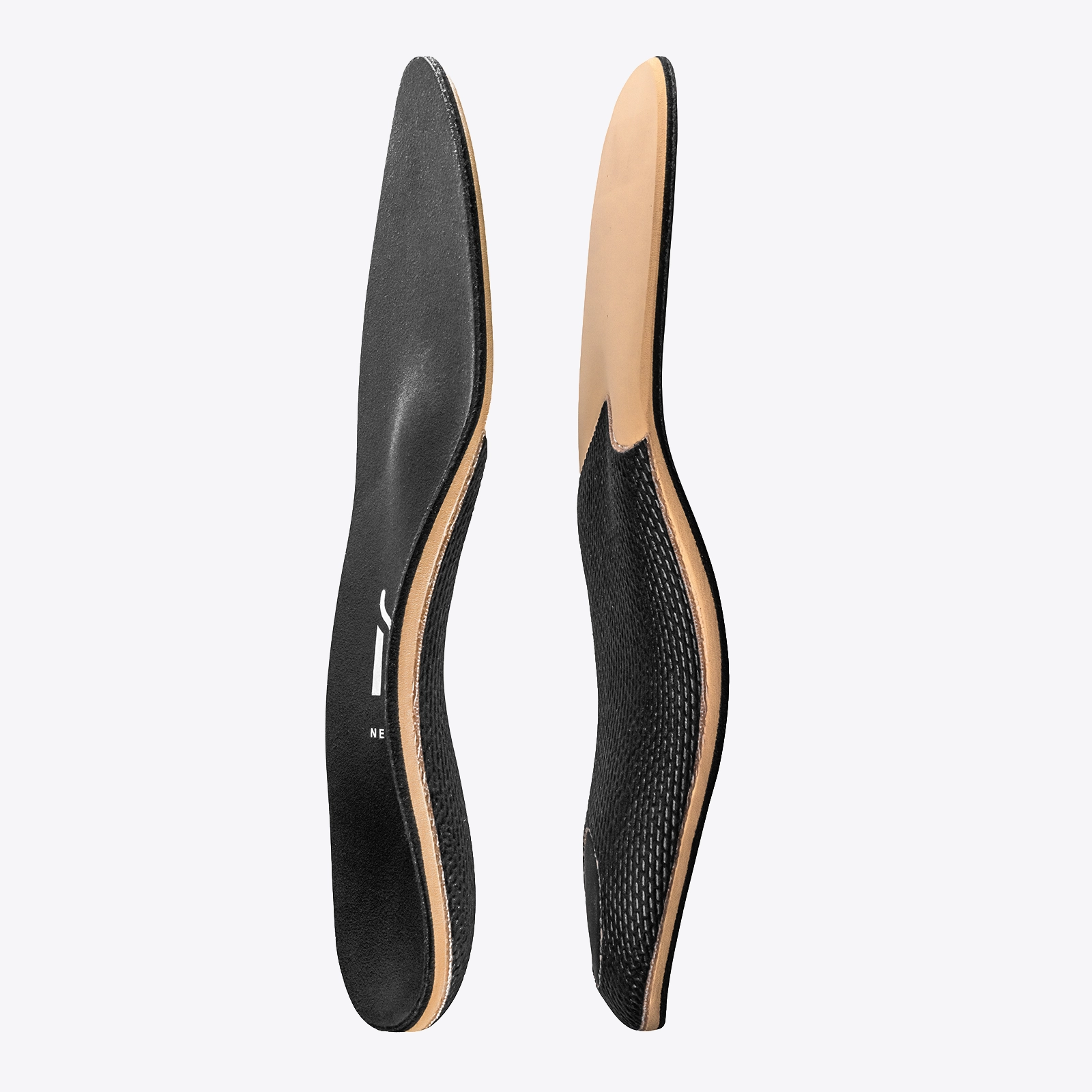
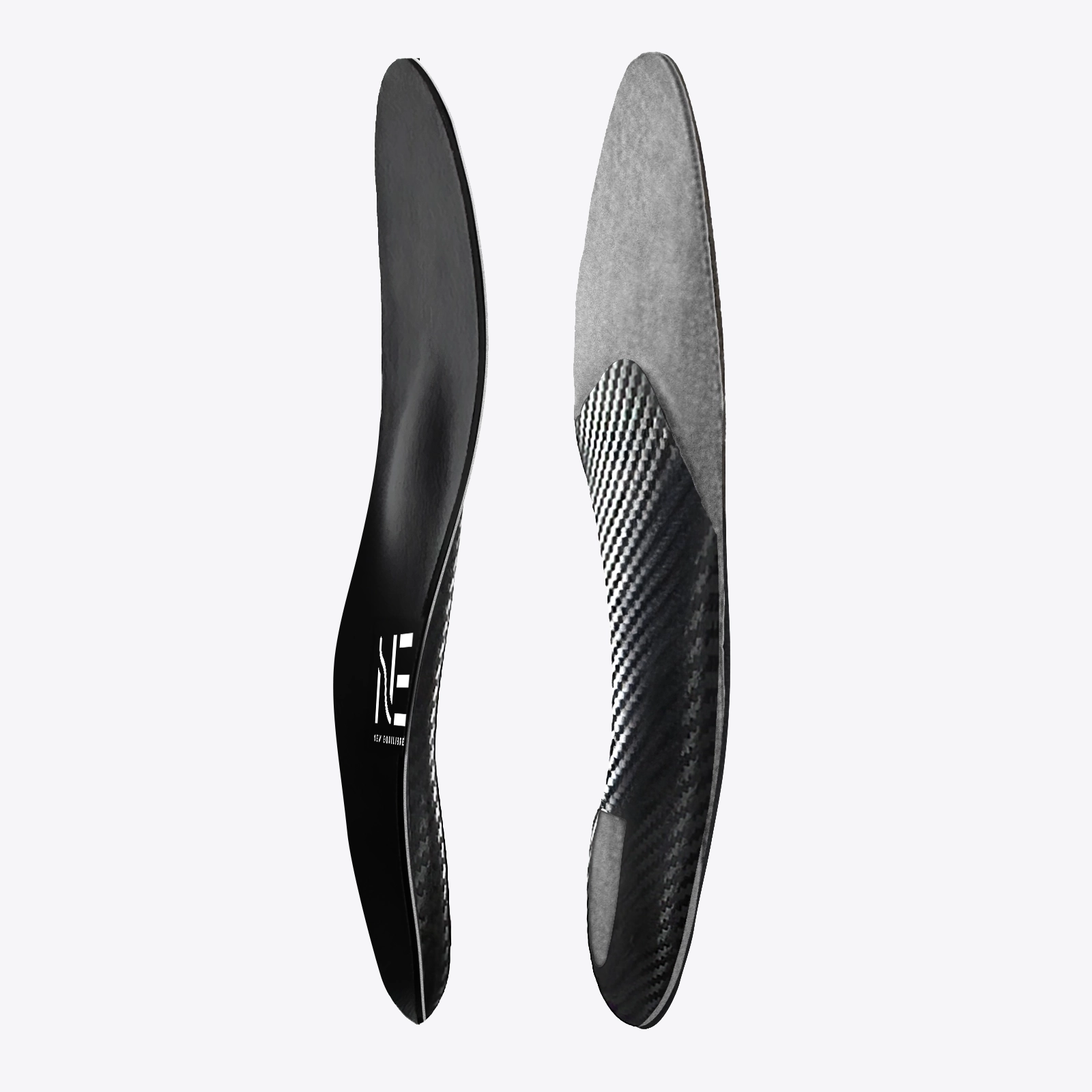
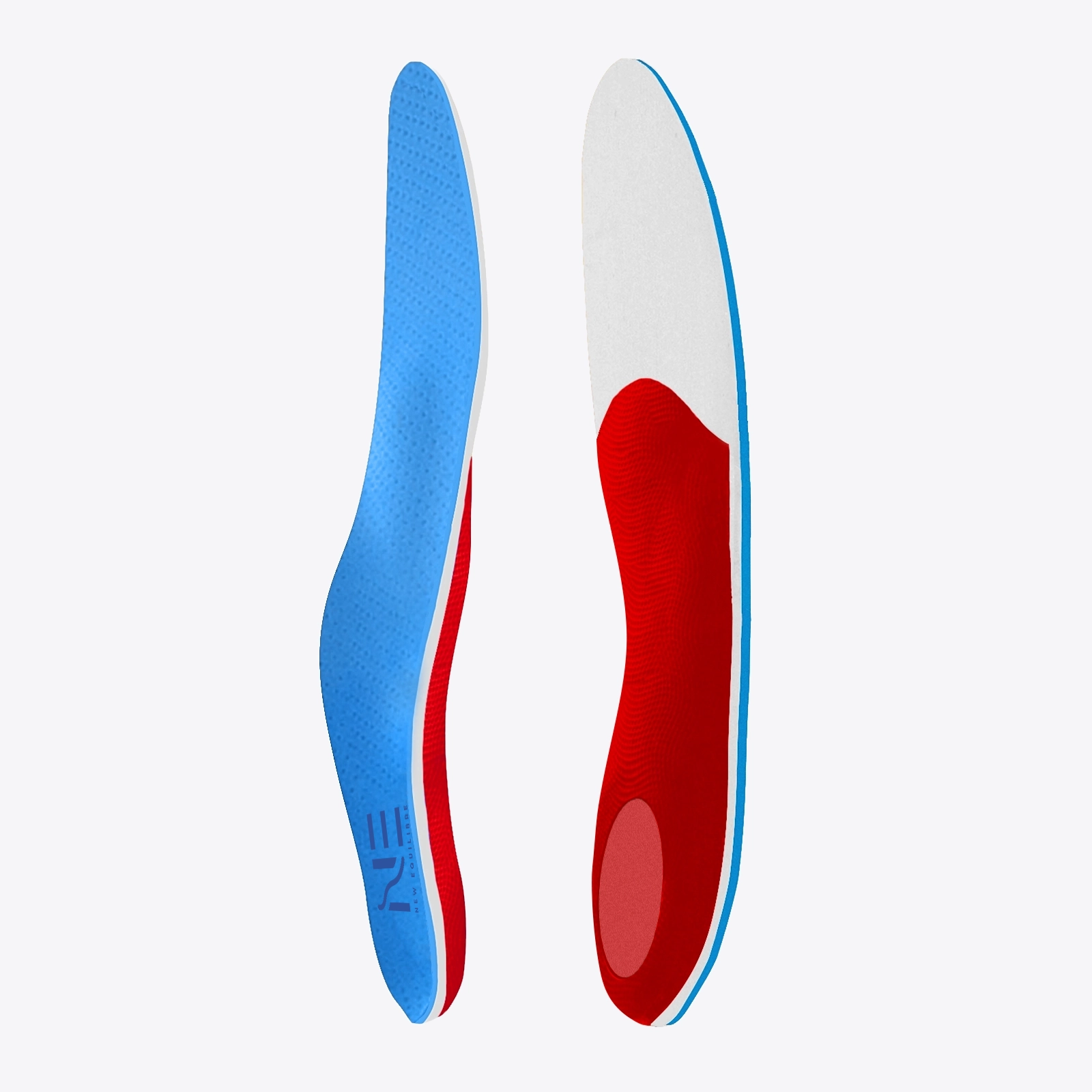
Insoles designed to improve the quality of foot support can help provide more even stress distribution during walking or daily activities. The goal is not to treat a pathology, but to support the body by offering a more stable base that is more aligned with its natural biomechanics.
Do you play a sport and have questions about your footwork?
Select your activity to discover New Equilibre insoles designed to support movement.
Acting on supports: the role of footings
A particularly effective solution for dysesthesias of mechanical origin.
By redistributing pressure across the entire foot, they help relieve overloaded areas, particularly in the forefoot.
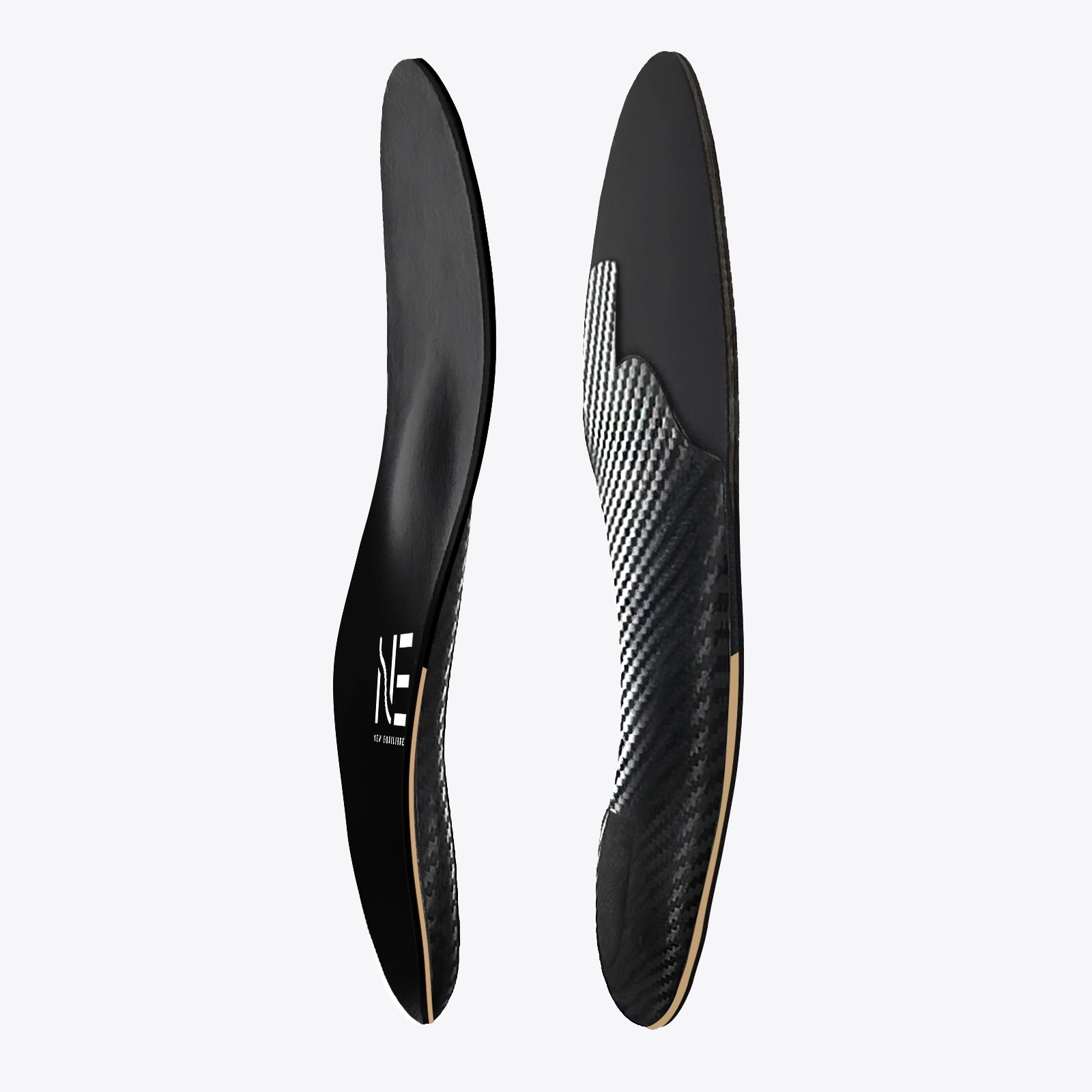
How do insoles affect the foundation of movement?
Influence on posture and overall alignment: The insoles are designed to support the foot in its natural position and promote a more balanced distribution of pressure. By acting at the base of the body, they can influence overall posture and how forces are distributed during movement.
Mechanical stress distribution: By improving the quality of ground support, insoles help to distribute stress more evenly across the feet, legs, and pelvis. This approach aims to limit localized overloads related to certain postural habits or repetitive movements.
Stability while walking A more stable base allows for smoother, better-controlled walking. The insoles support the foot's roll and contribute to better movement continuity, without trying to stiffen or restrict natural dynamics.
Ground Impact Management The materials used in the design of the insoles help to manage the impact when contacting the ground. This impact management is part of a logic of functional comfort, especially during daily activities involving walking or prolonged standing.
In active or athletic individuals, they often help to quickly regain better comfort by reducing tingling or burning sensations.
New Equilibre Insoles
The New Equilibre Insoles are manufactured by Forlini Orthopédie, drawing on more than 35 years of biomechanical foot analysis in an orthopedic practice. They easily fit into everyday or athletic shoes and are designed to support movement while respecting the natural anatomy of the foot.
«It all starts with the foot.»
New Balance, a new impetus.
FAQ - Frequently Asked Questions about Dysesthesia:
When to worry about numbness
Occasional numbness, like that caused by prolonged sitting, is generally harmless. However, certain signs should alert you and warrant a medical consultation:
- Persistent or recurring numbness If you experience frequent or prolonged numbness, it could indicate an underlying neuropathy.
- Associated pain Numbness accompanied by pain, burning, or tingling can be a sign of a more serious condition requiring medical evaluation.
- Loss of function If numbness leads to muscle weakness or difficulty moving the affected limbs, it is crucial to consult a healthcare professional immediately.
- Generalized symptoms If the numbness is accompanied by systemic symptoms such as fatigue, weight loss, or vision problems, it may indicate a systemic or neurological disease.
- Unilateral numbness Numbness affecting only one side of the body can be a sign of serious conditions like stroke or multiple sclerosis.
Why do I have tingling in my toes?
Tingling is generally related to nerve compression or excessive pressure on the forefoot, often exacerbated by shoes or physical activity.
Are dysesthesias serious?
In most cases, they are benign. However, if they persist or intensify, it is best to consult to identify the cause.
How to relieve foot dysesthesia?
Relief comes from well-fitting shoes, reduced pressure points, and corrected foot support, particularly with orthopedic insoles.
Are insoles really useful?
When an imbalance of support is the cause, they effectively reduce symptoms by decreasing pressure on sensitive areas.

Article written by Forlini Orthopédie
Orthotic insole manufacturing specialist
- Over 35 years of experience in foot care (since 1988)
- More than 5,000 patients supported each year in practice.
- At the origin of the development of New Equilibre insoles