
Tool: Calculate your BMI (Body Mass Index)

- Published on
- By Forlini Orthopedie
SUMMARY :
- Free BMI calculator
- BMI Interpretation Chart
- What is the ideal BMI for a woman?
- What is the ideal BMI for a man?
- How to know if I am overweight?
- What is the average Body Mass Index (BMI) by age?
- What is my ideal weight for my height?
- BMI in France
Welcome to our free Body Mass Index (BMI) calculator. This tool is designed to help you quickly and easily assess your weight in relation to your height. Understanding your BMI can help you make informed decisions about your health and well-being.
In this article, we will discuss in detail how BMI is calculated, the ideal values for men and women, as well as averages based on age and height.
How do I calculate my BMI?
The BMI calculation is obtained by dividing your weight (in kilograms) by your height squared. According to the WHO (World Health Organization), a normal Body Mass Index is between 18.5 and 25.
Use our Free BMI calculator to get your result in one click!
BMI Calculator:
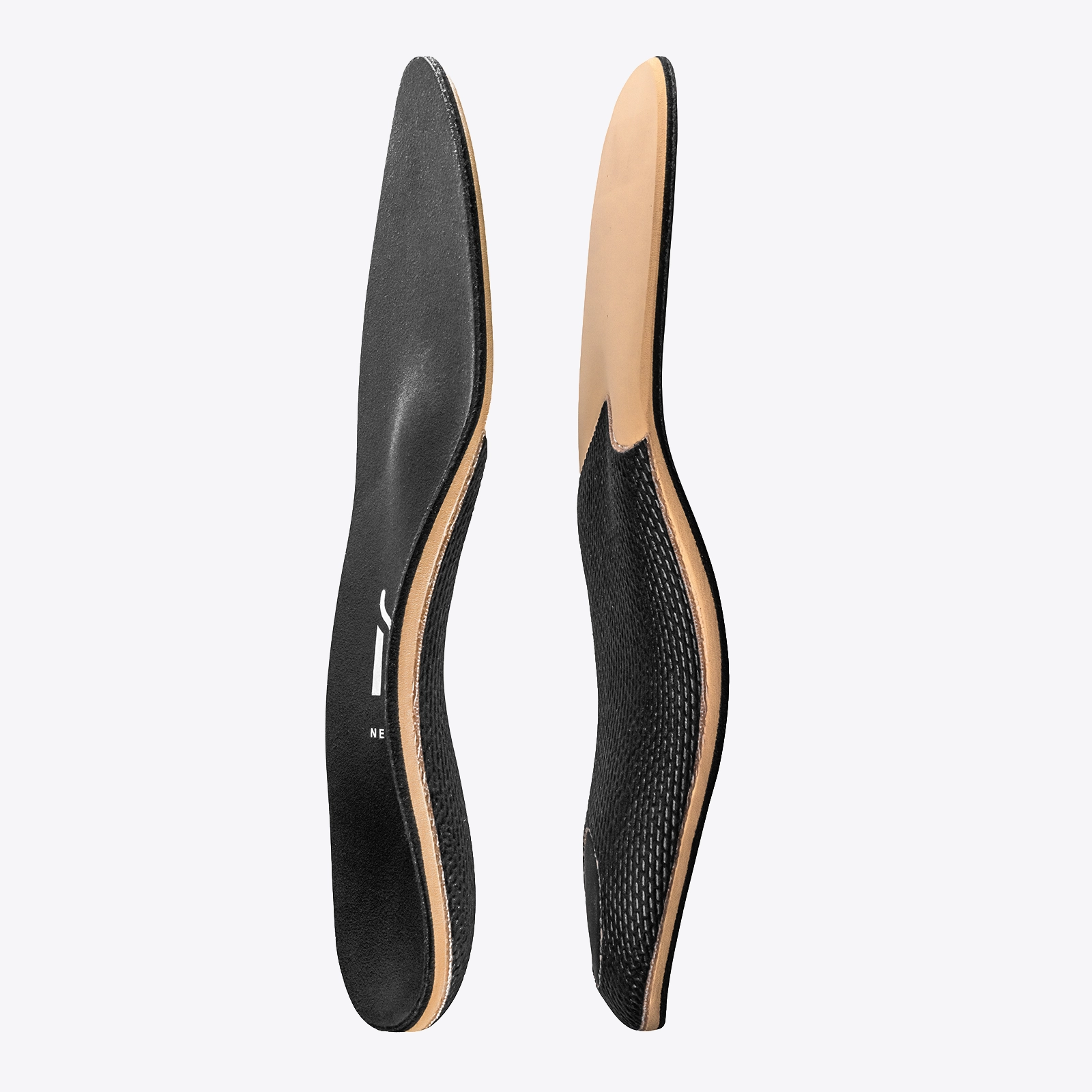
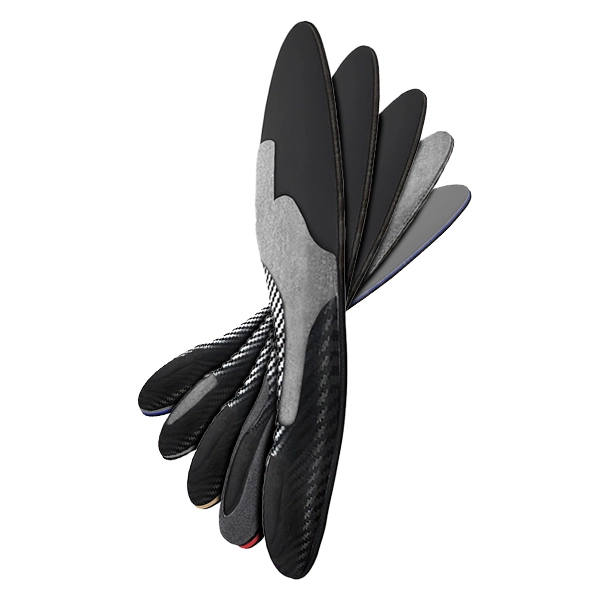
Your BMI directly influences your comfort and posture. Improper weight distribution leads to pain in your feet, knees, and back. New Equilibre insoles help to better distribute pressure by rebalancing your posture and support to relieve your joints. Choose sports insoles if you play sports, or comfort insoles for everyday wear. See the insole shop (100% Made in France!)

BMI Interpretation Table
| Body Mass Index (BMI) | Interpretation (according to the WHO) |
|---|---|
| Under 18.5 | Underweight |
| 18.5 to 25 | Normal corpulence |
| 25 to 30 | Overweight |
| 30 to 35 | Moderate obesity |
| 35 to 40 | Severe obesity |
| Over 40 | Morbid or massive obesity |
BMI below 18.5 - Underweight
If your body mass index (BMI) is below 18.5, you are considered underweight. This means your weight is lower than what is considered healthy for your height. Underweight can be associated with health risks, including decreased immune function, an increased risk of surgical complications, and nutritional deficiencies. It is important to consult a healthcare professional to assess possible causes and get advice on how to reach a healthy weight.
BMI between 18.5 and 25 - Normal build
A BMI between 18.5 and 25 indicates a normal body weight. This means your weight is considered appropriate for your height, and you have a relatively low risk of developing weight-related health problems. Maintaining a BMI within this range is generally associated with good overall health. To maintain this normal weight, it's important to continue eating a balanced diet and engaging in regular physical activity.
25-30 BMI - Overweight
A BMI between 25 and 30 indicates that you are overweight. Although this weight level may not seem concerning, it is associated with an increased risk of developing health problems such as cardiovascular disease, type 2 diabetes, and certain cancers. Being overweight can also lead to joint problems and a decreased quality of life. It is recommended to adopt healthy eating habits and increase physical activity to return to a normal body composition.
BMI between 30 and 35 - Moderate obesity
A BMI between 30 and 35 means you have moderate obesity. At this level, health risks increase significantly. You are more likely to develop chronic diseases such as hypertension, type 2 diabetes, heart disease, and certain cancers. Obesity can also affect mobility and mental health. It is crucial to consult a healthcare professional to develop a weight management plan, including changes in diet and physical activity, and possibly medical follow-up.
BMI between 35 and 40 - Severe obesity
A BMI between 35 and 40 is classified as severe obesity. At this stage, the risk of health complications is very high. Associated health problems can include serious cardiovascular diseases, type 2 diabetes, respiratory disorders, and a decreased life expectancy. Severe obesity can also significantly impact mobility and quality of life. Medical intervention is often necessary to assist with weight loss, and this may include dietary treatments, supervised exercise programs, and in some cases, surgical interventions.
BMI greater than 40 - Morbid or massive obesity
A BMI over 40 indicates morbid or massive obesity. This classification is associated with an extremely high risk of serious health complications and premature mortality. Individuals with morbid obesity are at high risk of developing serious chronic diseases, such as heart disease, stroke, type 2 diabetes, and certain cancers. Morbid obesity requires intensive and often multidisciplinary medical management. Management strategies may include rigorous dietary and exercise modifications, behavioral therapies, and potentially weight-loss surgery.
How is an adult's BMI calculated?
The adult BMI is calculated using a simple formula: it's the weight in kilograms divided by the square of the height in meters. This formula is used by healthcare professionals to assess a person's body weight. For example, a person weighing 70 kg and measuring 1.75 m will have a BMI of 22.86 (70/(1.75×1.75)). Our free calculator tool above allows you to enter your height and weight values to instantly get your BMI.
What is the ideal BMI for a woman?
The ideal BMI for a woman is generally between 18.5 and 24.9. A BMI within this range indicates that the weight is appropriate for the height and that the risks of developing weight-related health problems are low. It is important to maintain a healthy lifestyle, including a balanced diet and regular physical activity, to stay within this range.
What is the ideal BMI for a man?
For men, the ideal BMI is also between 18.5 and 24.9. A BMI within this range suggests a good proportion between weight and height, thereby minimizing the risks of chronic diseases such as type 2 diabetes, cardiovascular diseases, and other weight-related health complications.
How to know if I am overweight?
The normal BMI for an adult, according to the World Health Organization (WHO), is between 18.5 and 24.9. This range indicates a weight considered healthy relative to height. People with a BMI in this range have a reduced risk of developing weight-related health problems.
In France, health authorities define abdominal obesity as a waist circumference greater than or equal to 88 cm for women and 102 cm for men. It is also important to track the evolution of waist circumference measurements.
What is the normal BMI for a person?
You are considered overweight if your BMI is between 25 and 29.9. Being overweight can lead to an increased risk of health problems, including cardiovascular disease, type 2 diabetes, and certain types of cancer. It is recommended to consult a healthcare professional for advice on weight management and adopting healthy lifestyle habits.
How do I know if I'm obese?
Obesity is defined as a BMI of 30 or higher. It is classified into three categories: moderate obesity (BMI 30-34.9), severe obesity (BMI 35-39.9), and morbid or massive obesity (BMI 40 and above). Obesity significantly increases the risk of serious diseases, such as heart disease, strokes, and other health complications. Medical management is often necessary to treat obesity.
What is the average Body Mass Index (BMI) by age?
According to the scale developed by the World Health Organization (WHO), A body mass index between 18.5 and 24.9 is considered “normal”.
Average BMI in those under 25
In young adults under 25, the average BMI is generally lower, often between 20 and 24. This generally reflects a higher level of physical activity and a faster metabolism.
Average BMI in 25-35 year olds
For people aged 25 to 35, the average BMI tends to be between 22 and 26. At this age, lifestyle habits and professional responsibilities can start to affect weight.
Average BMI in the 35-45 age group
The average BMI for 35-45 year olds is generally between 23 and 27. Hormonal changes and a slowing metabolism can contribute to weight gain during this period.
Average BMI in 45-55 year olds
Between 45 and 55 years old, the average BMI tends to increase slightly, often between 24 and 28. Health risk factors also increase, making it essential to maintain a healthy lifestyle.
Average BMI in 55-65 year olds
For individuals aged 55 to 65, the average BMI often falls between 25 and 29. Age-related changes, such as loss of muscle mass and a slower metabolism, can influence weight.
Average BMI in 65-75 year olds
Among 65-75 year olds, the average BMI generally ranges between 24 and 28. At this age, it is crucial to maintain a healthy weight to prevent chronic diseases and mobility issues.
Average BMI in people over 75
For people over 75, the average BMI tends to decrease slightly, often between 23 and 27. Weight loss can be due to factors such as decreased appetite and loss of muscle mass.
What is my ideal weight for my height?
There is no ideal weight, whether based on age, sex, or height.. The BMI, which is calculated by dividing weight by height squared, can, however, indicate a possible overweight condition.
| Size | Ideal weight according to the WHO |
|---|---|
| 5 feet | Between 42 – 56kg |
| 5'3" | Between 47 – 64kg |
| 5'7" | Between 53 – 72kg |
| 5'11" | Between 132 – 178 lbs |
| 6'3" | Between 67 – 90kg |
BMI in France
In France, the average BMI varies by region and age group. Studies show that the average BMI tends to increase with age and also varies depending on the dietary habits and physical activity levels of different populations. Public health initiatives aim to raise public awareness of the dangers of obesity and promote healthier lifestyles.
Age, gender, place of residence: not all French people are equally affected by being overweight. It affects men (53.5% of those aged 15–74) more than women (41.3% of those aged 15–74), but when it comes to obesity, the opposite is true: it affects more women (17.4%) than men (16.7%). Another finding: older people are more affected, with obesity affecting 19.9% of those aged 65 and older, compared to 9.2% of those aged 18–24. The upward trend has been particularly pronounced among the youngest age group. Since 1997, obesity among 18- to 24-year-olds has more than quadrupled.

Article rédigé par Forlini Orthopedie
Spécialiste de la fabrication de semelles orthopédiques
- Plus de 35 ans d’expérience dans la prise en charge du pied (depuis 1988)
- Plus de 5000 patients accompagnés chaque année en cabinet.
- À l’origine du développement des semelles New Equilibre



NEW EQUILIBRE SPORT+

ABONNEMENT CARE+
No spam, only notifications about new products and promotional offers.