
Corns on feet: Symptoms, causes, and treatments
- Published on
- By New Equilibre
SUMMARY :
- What are foot calluses?
- Causes of corns on feet
- How to naturally remove calluses from feet?
- How to prevent hyperkeratosis?
Corns on the feet, also known as hyperkeratosis, are a common problem that can affect the health and comfort of your feet. This buildup of hard skin can be caused by various factors, including excessive pressure, repeated friction, and wearing ill-fitting shoes.
In this article, we will explore the causes of foot calluses, prevention methods, and treatment options to achieve soft, healthy feet.
What is a foot callus?
Causes of corns on feet:
Several factors can contribute to the formation of calluses on the feet:
- Excessive pressure Constant pressure on certain areas of the feet, particularly the heels, can lead to the buildup of hard skin as a protective measure against damage.
- Repeated friction: Continuous friction between the skin and shoes, especially those that are ill-fitting or too tight, can cause the stratum corneum layer of the skin to thicken.
- Skin dehydration: Insufficient skin hydration can make the skin more prone to calluses on the feet, as dry skin tends to thicken as a protective measure.
- Wearing ill-fitting shoes Shoes that do not provide proper support for the feet or that put excessive pressure on certain areas can contribute to the formation of calluses.
How to naturally remove calluses from feet?
If you already have calluses on your feet, here are some treatment options to consider:
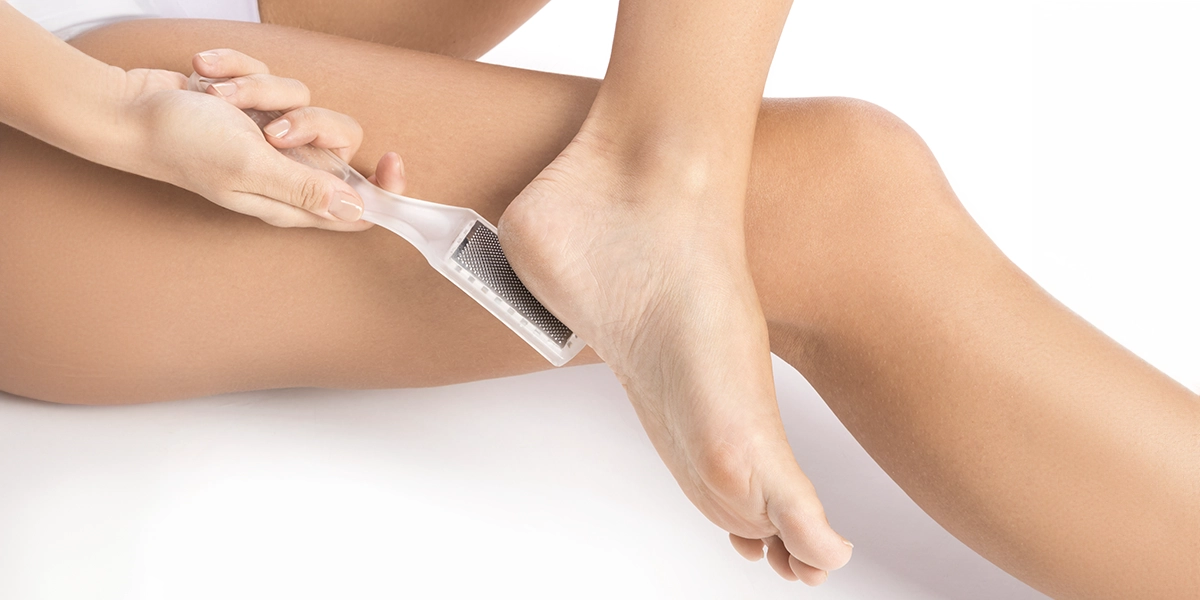
- Foot bath Soak your feet in warm water for a few minutes to soften the skin before gently using a pumice stone or foot file to remove calluses.
- Use of emollient creams Regularly apply an emollient cream or a lotion containing urea to moisturize and soften the skin, which can help in removing calluses.
- Exfoliate regularly: Use a pumice stone, foot file, or electric callus remover to gently remove calluses and hard skin after a warm bath when the skin is softened.
- See a Podiatrist If your corns are severe or if you have persistent pain, consult a podiatrist or foot specialist who can recommend more advanced treatments, such as orthotics or podiatry sessions.
How to avoid hyperkeratosis?
To prevent calluses on your feet and maintain their health, here are a few simple tips to follow:
- Wear comfortable shoes: Choose shoes that offer good support and do not rub or excessively compress your feet.
- Maintain adequate hydration: Moisturize your feet regularly with a gentle moisturizer to prevent the skin from drying out and thickening.
- Avoid friction: Use thick, comfortable socks to reduce friction between your feet and shoes.
- Use shock-absorbing insoles: The orthopedic insoles Cushioning significantly reduces the pressure on certain areas of the feet, which effectively helps prevent hyperkeratosis.
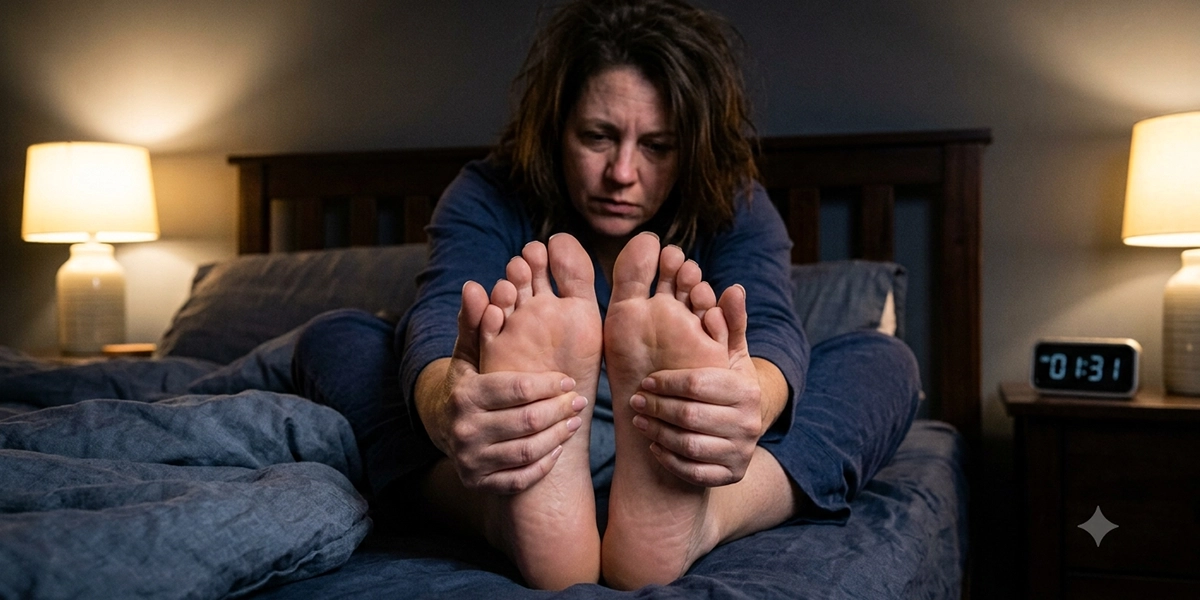
Why do calluses on the feet hurt?
These thickenings of the skin, or hyperkeratosis, can cause pain for several reasons:
- Excessive pressure Corns generally form in response to excessive pressure on certain parts of the feet. This pressure can be due to ill-fitting shoes, activities that put a lot of stress on the feet (such as walking or running), or problems with posture or gait.
- Repeated friction: Constant friction between the skin and shoes or other hard surfaces can also cause calluses to form. This friction can be exacerbated by repetitive movements, ill-fitting shoes, or activities that put a lot of stress on the feet.
- Dry skin: Dry, dehydrated skin is more prone to developing calluses. The accumulation of dead cells can make the skin thicker and less supple, which can lead to cracks and pain.
- Lack of care If the horn is not regularly exfoliated or treated, it can build up and become thicker, which can make walking and standing more uncomfortable.
In short, hyperkeratosis can be painful due to constant pressure and friction, dry skin, and a lack of proper care.
New Equilibre
Healthcare professionals specializing in the design and manufacture of orthopedic insoles for over 35 years. Experts in lower limb care, our orthopedists design New Equilibre insoles in our laboratories in the south of France. Every year, thousands of users and patients in clinics place their trust in New Equilibre's expertise.




No spam, only notifications about new products and promotional offers.