




0

Sprained ankle

the complete guide

A sprained ankle is a common injury that can occur at any age and at any level of activity. This condition can vary in severity, ranging from a mild ligament strain to a more severe tear.

In this article, we will explore in detail the causes, characteristic symptoms, and effective treatments to ensure optimal recovery from a sprained foot.

Sprained ankle

What is a sprain?

A foot sprain occurs when the ligaments that hold the bones in place are overstretched, which can lead to them becoming stretched, partially torn, or completely ruptured. Foot sprains often happen as a result of a twist or sudden movement, especially during sports, physical exercise, or even during everyday accidents.

Symptoms of a sprain

  • Sharp pain in the ankle or foot.
  • Swelling and puffiness around the affected area.
  • Sensitivity to touch or pressure.
  • Bruising or abnormal skin discoloration.
  • Difficulty bearing weight on the affected foot.
  • Reduced mobility and stiffness.

The types of sprains

  • Grade I Sprain (Mild): The ligaments are slightly stretched, causing minor pain and swelling. Ankle stability is generally not severely affected.
  • Grade II Sprain (Moderate): The ligaments are partially torn, causing more intense pain, significant swelling, and some joint instability.
  • Grade III (Severe) Sprain: The ligaments are completely torn, leading to sharp pain, significant swelling, and a loss of ankle stability. A severe tear requires medical attention.

How to relieve a sprained ankle?

  • Rest and Ice: Immediately after the injury, rest and apply ice to reduce swelling and inflammation.
  • Compression Use a compression bandage to help reduce swelling, while making sure not to wrap it too tightly.
  • Elevation Elevate the injured leg when sitting or lying down to reduce swelling.
  • Anti-inflammatory Medications: Over-the-counter medications, such as ibuprofen, can help relieve pain and inflammation.
  • Immobilization In more severe cases, a brace or walking boot may be recommended to stabilize the ankle and promote healing.
  • Physical Therapy A healthcare professional may recommend rehabilitation exercises to restore ankle strength and mobility.
  • Surgery In extreme cases where ligaments are severely torn, surgery may be necessary to repair them.


A foot sprain can be painful and debilitating, but proper management and adequate treatment can speed up healing. If you experience symptoms of a foot sprain, it is recommended to consult a healthcare professional for an accurate diagnosis and treatment recommendations. By taking preventive measures and following medical advice, you can minimize the risk of sprains and maintain strong, healthy feet.

How to relieve a sprained ankle?

  • Rest and Ice: Immediately after the injury, rest and apply ice to reduce swelling and inflammation.
  • Compression Use a compression bandage to help reduce swelling, while making sure not to wrap it too tightly.
  • Elevation Elevate the injured leg when sitting or lying down to reduce swelling.
  • Anti-inflammatory Medications: Over-the-counter medications, such as ibuprofen, can help relieve pain and inflammation.
  • Immobilization In more severe cases, a brace or walking boot may be recommended to stabilize the ankle and promote healing.
  • Physical Therapy A healthcare professional may recommend rehabilitation exercises to restore ankle strength and mobility.
  • Surgery In extreme cases where ligaments are severely torn, surgery may be necessary to repair them.


A foot sprain can be painful and debilitating, but proper management and adequate treatment can speed up healing. If you experience symptoms of a foot sprain, it is recommended to consult a healthcare professional for an accurate diagnosis and treatment recommendations. By taking preventive measures and following medical advice, you can minimize the risk of sprains and maintain strong, healthy feet.

Orthotic insoles to prevent and relieve sprains

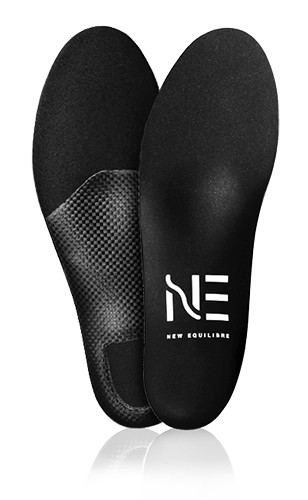
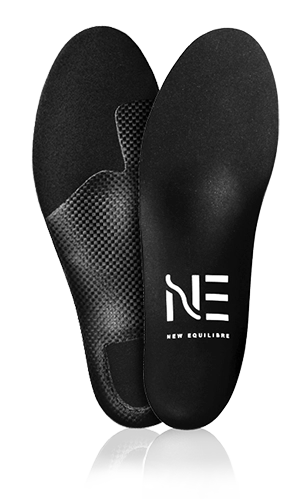
Poor posture, an improper sports movement, or poor footing can cause sprains during physical exertion. Using orthopedic insoles helps prevent sprains by optimizing your footing and improving your posture. Just like with shoes, insoles adapted to your activity help avoid injuries and provide you with comfort and stability.


Discover all New Equilibre insoles on our online store:

ORTHOPEDIC INSOLES
SPORT ELITE PRO

Rated 5 out of 5

110,00 €

ORTHOPEDIC INSOLES
SPORT ELITE PRO

Rated 5 out of 5

110,00 €

ORTHOPEDIC INSOLES
SPORT ELITE PRO

Rated 5 out of 5

110,00 €

ORTHOPEDIC INSOLES
SPORT ELITE PRO

Rated 5 out of 5

110,00 €

Gérard Forlini orthopedic surgeon

Article written by Forlini Orthopedics
Spécialiste de la fabrication de semelles orthopédiques
- Plus de 35 ans d’expérience dans la prise en charge du pied (depuis 1988)
- Plus de 5000 patients accompagnés chaque année en cabinet.
- À l’origine du développement des semelles New Equilibre

    0
    Cart
    Your cart is empty.Return to shop
      Calculate Shipping
      Apply Coupon