Flat feet
the complete guide
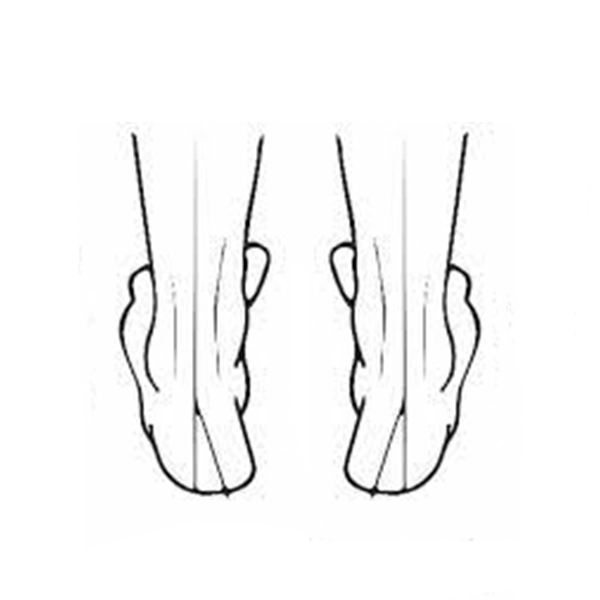
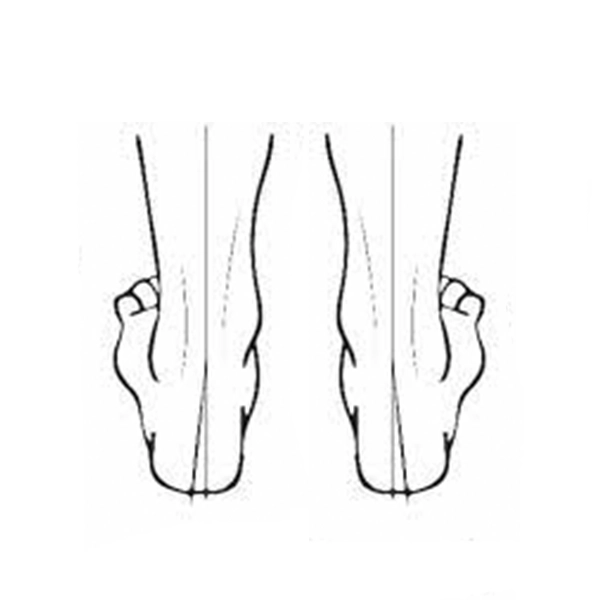
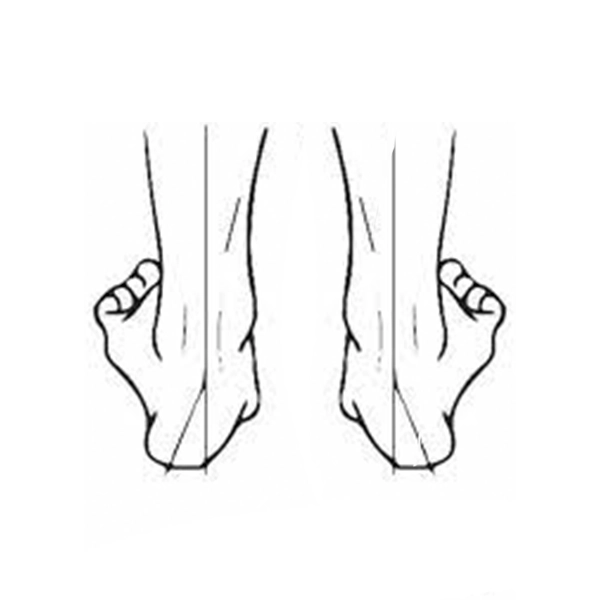
The flat foot, also called calcaneal valgus or plantar collapse, is a common deformity affecting the alignment of the foot. It manifests as a excessive pronation, that is, an inward tilt of the heel, often accompanied by a collapse of the plantar arch. This joint instability can lead to plantar pain, muscle fatigue, and discomfort during daily walking.
Frequently observed in children, athletes, or people with poor posture, pes valgus can also be linked to tibial torsion or an internally rotated foot. This foot misalignment can affect the entire plantar arch, sometimes extending up to the knees (particularly in cases of genu valgum), altering the body's overall balance.
What is a pes valgus?
Conversely, Clubfoot, Valgus foot is characterized by a flattening of the arch, resulting in an abnormal separation between the heel and the forefoot. This can cause the heel to deviate outward, altering the natural alignment of the foot.
Symptoms of flat feet
People affected by flat feet often describe:
- Pain under the foot
- internal shoe wear
- Ankle, knee, and hip pain
The most common clinical signs include plantar pain, especially after prolonged walking or standing. Abnormal shoe wear (inward wear), visible foot deformity (heel deviation outward), and weakening of the medial arch are often observed. In more advanced cases, this deformity can lead to pain radiating up to the ankles, knees, or even hips, altering overall posture.
In children, this condition is generally painless but must be monitored to prevent worsening. In adults, pain is more frequent, notably due to joint stiffness and the impact on neighboring joints.
Causes of pes valgus
Several factors can contribute to the development of pes valgus:
- Genetics A genetic predisposition can play a role.
- Muscle Weakness: Weak foot and ankle muscles can affect alignment.
- Neurological Problems: Certain neurological conditions can affect posture and foot alignment.
What treatments are available for flat feet?
- Orthotic Insoles: Orthotic insoles prove to be the most effective solution for supporting the arch and correcting foot alignment.
- Strength Training Exercises Exercising muscles in the foot and ankle can improve stability.
- Stretching: Regular stretching of the foot and calf muscles can maintain flexibility.
- Appropriate shoes: Choose shoes that offer good support and cushioning.
Pes planus can cause an overall imbalance in the body, where posture, mobility, and the way weight is distributed play an essential role. The foot forms the base of this chain. When weight distribution on the ground is unbalanced, certain areas of the body may be overused, which can lead to numerous pain issues.
In this context, some people choose to act on their movement base.
Insoles designed to improve the quality of foot support can help provide more even stress distribution during walking or daily activities. The goal is not to treat a pathology, but to support the body by offering a more stable base that is more aligned with its natural biomechanics.
Do you play a sport and have questions about your footwork?
Select your activity to discover New Equilibre insoles designed to support movement.
Acting on supports: the role of footings
The foot is the first point of contact with the ground and plays a central role in how stresses are transmitted to the rest of the body during walking or everyday movements.
How do insoles affect the foundation of movement?
Influence on posture and overall alignment: The insoles are designed to support the foot in its natural position and promote a more balanced distribution of pressure. By acting at the base of the body, they can influence overall posture and how forces are distributed during movement.
Mechanical stress distribution: By improving the quality of ground support, insoles help to distribute stress more evenly across the feet, legs, and pelvis. This approach aims to limit localized overloads related to certain postural habits or repetitive movements.
Stability while walking A more stable base allows for smoother, better-controlled walking. The insoles support the foot's roll and contribute to better movement continuity, without trying to stiffen or restrict natural dynamics.
Ground Impact Management The materials used in the design of the insoles help to manage the impact when contacting the ground. This impact management is part of a logic of functional comfort, especially during daily activities involving walking or prolonged standing.
New Equilibre Insoles
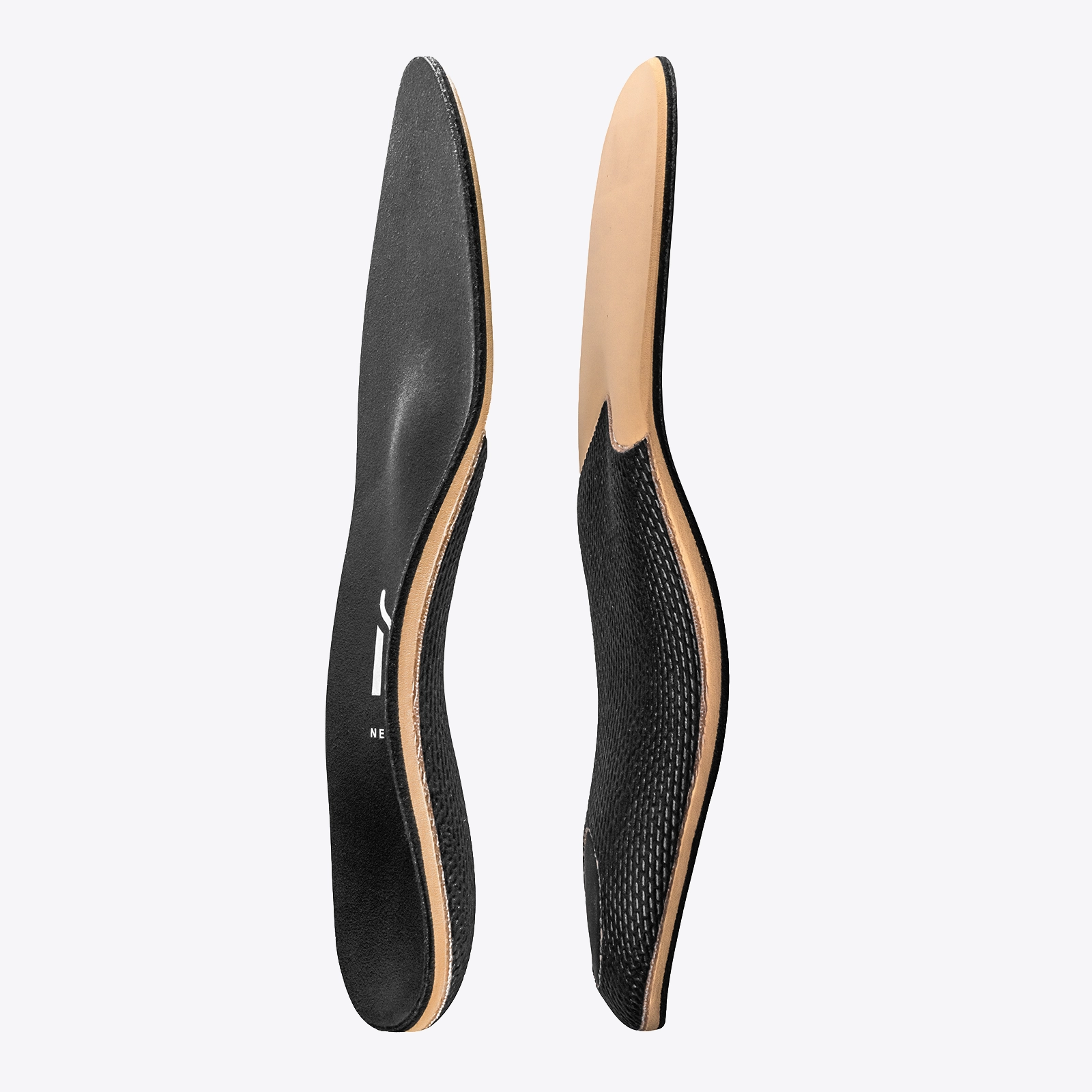
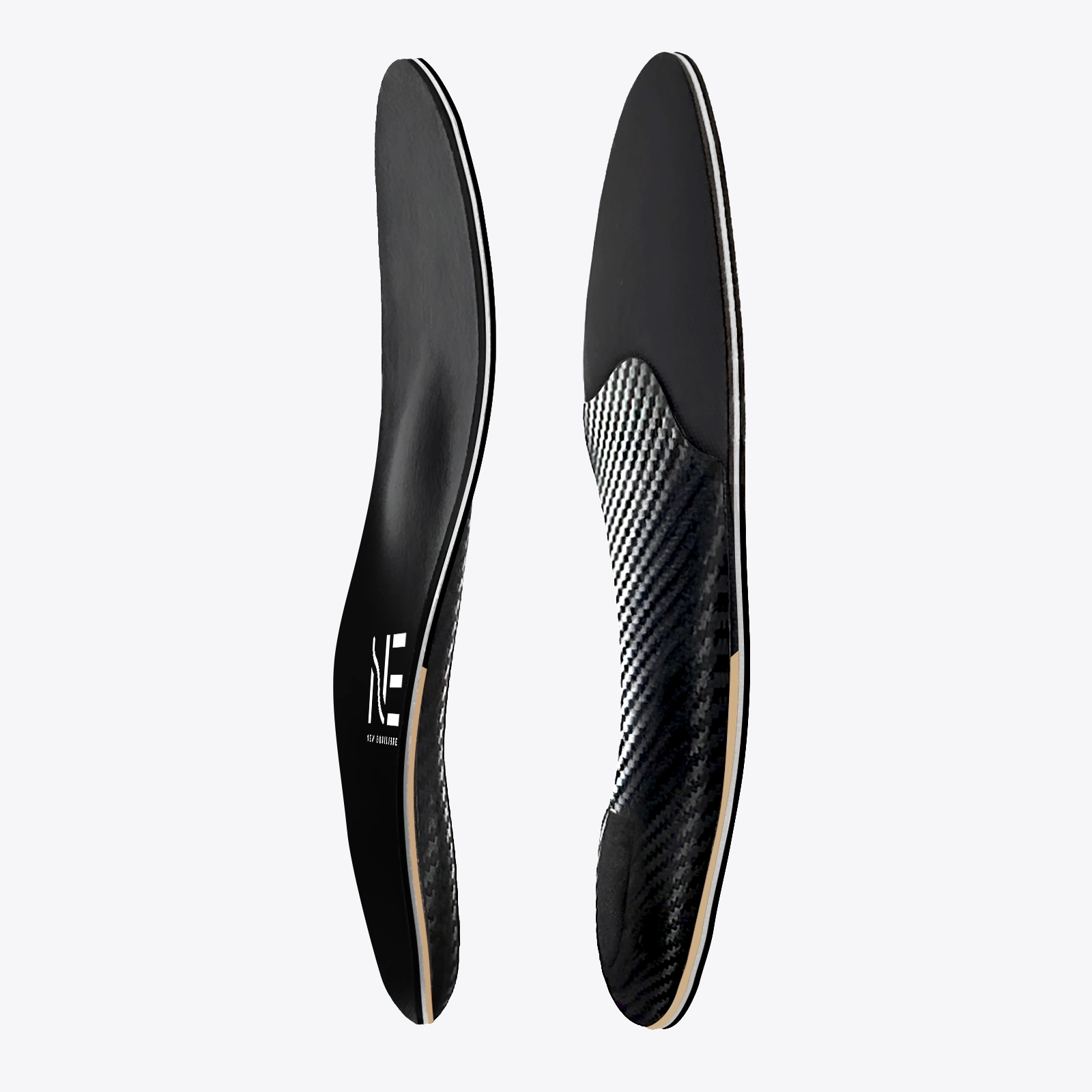
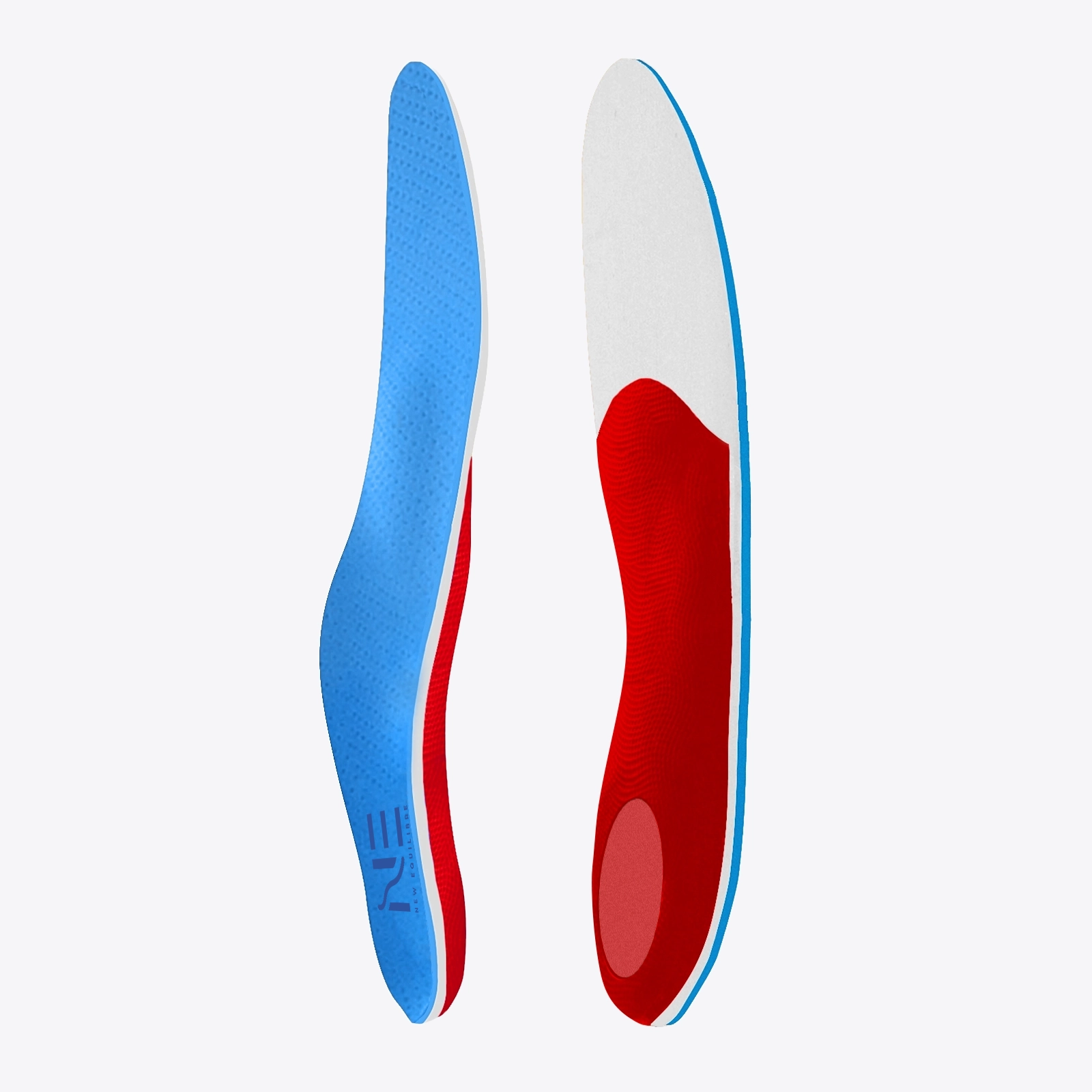
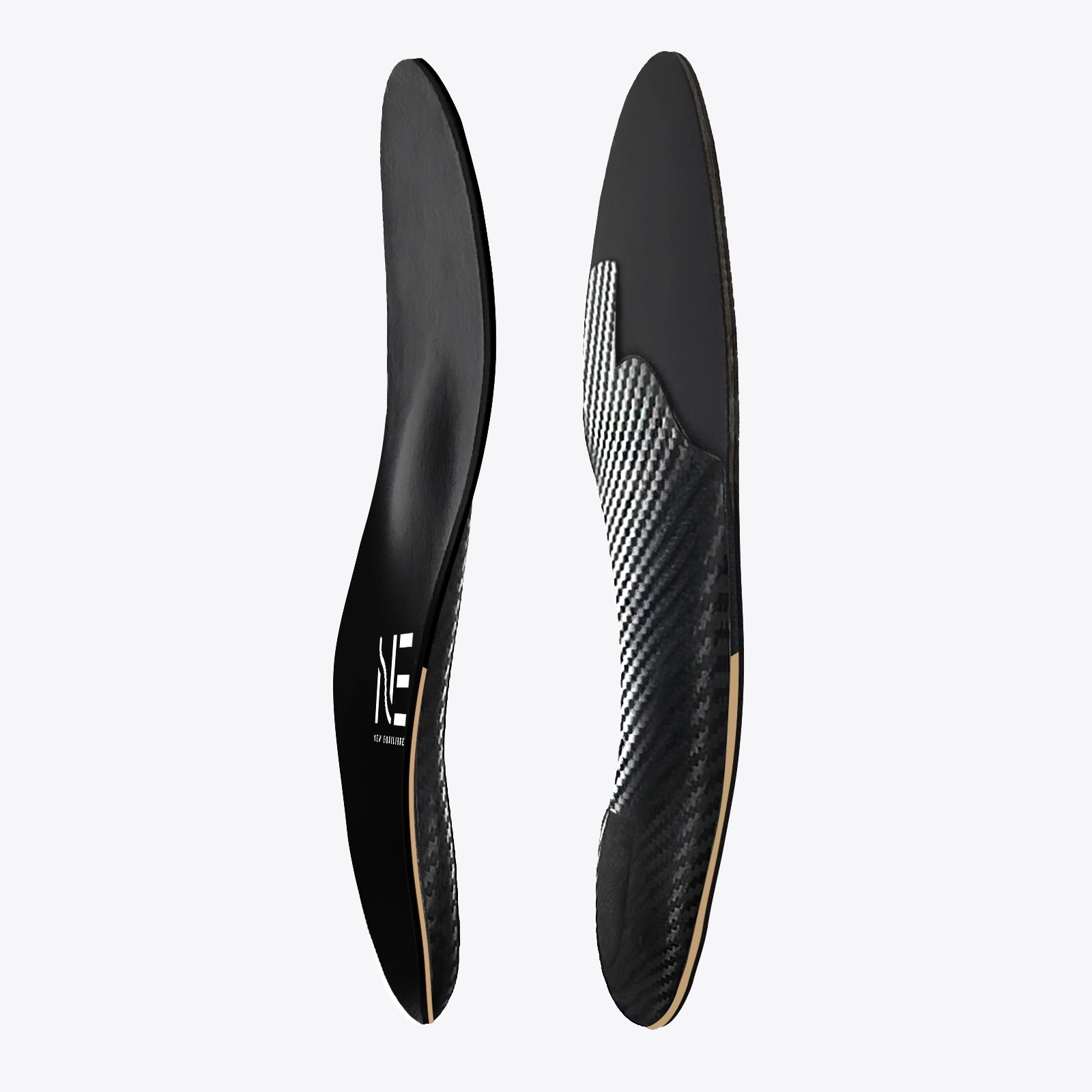
The New Equilibre Insoles They are designed based on over 35 years of biomechanical foot analysis in orthopedic practices. They easily fit into everyday or sports shoes and aim to support movement while respecting the natural anatomy of the foot.
«It all starts with the foot.»
New Balance, a new impetus.

These insoles address podiatric concerns while taking into account the specific supports for tennis. I've been experiencing pain with every stride on the court for 2 years. The pain is receding, the insoles are effective, I'm amazed! Thank you New Équilibre"
Strongly suggested"
Article written by
Gérard Forlini
Orthopedist –
Over 35 years of experience in foot care (since 1988)
Over 5,000 patients supported each year in the practice.
In collaboration with Maxime Forlini – Founder of New Equilibre, specializing in the design of insoles and foot support analysis