

the complete guide
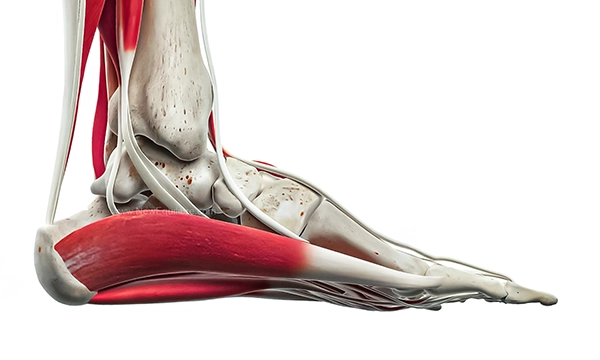
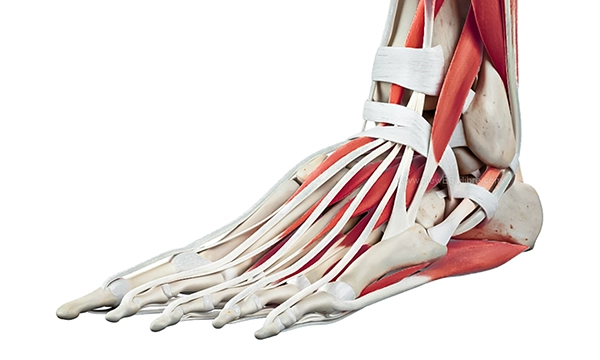
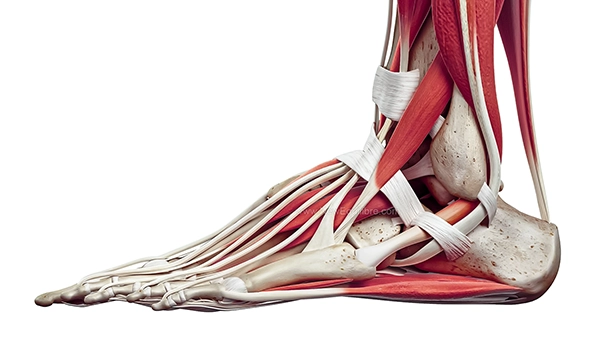
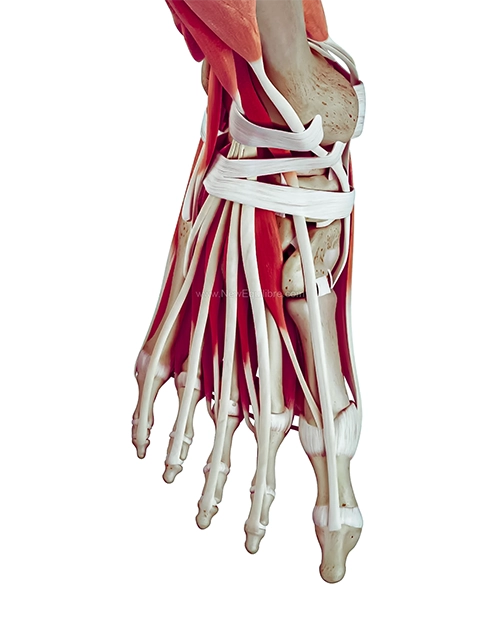
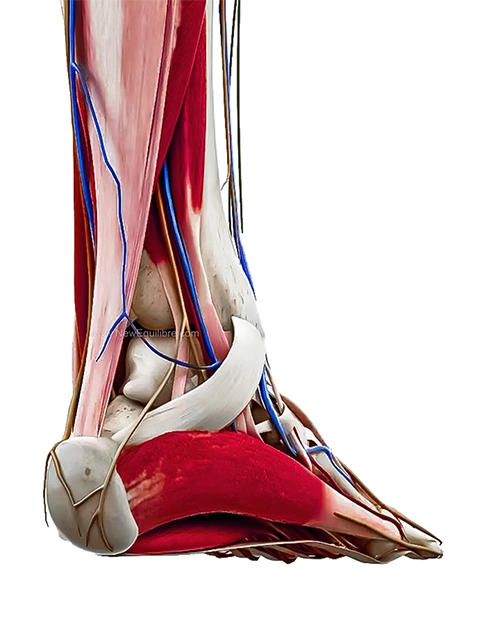
The human foot is a complex anatomical structure. composed of 26 bones, around 30 joints, and more than 100 muscles, tendons, and ligaments. It forms the basis of support and plays a fundamental role in balance, movement, and shock absorption. Understanding the anatomy of the foot makes it easier to identify the source of foot pain and offer appropriate solutions, such as our New Equilibre orthopedic insoles, designed to support and rebalance the structure of the foot.
The foot is divided into three main anatomical parts:
The hindfoot
The midfoot
These bones form the arch of the foot and play a role in shock absorption and propulsion.
The forefoot
The foot contains about thirty joints, the main ones being:
Among the many ligaments of the foot, some ensure joint stability and maintain the arch of the foot:
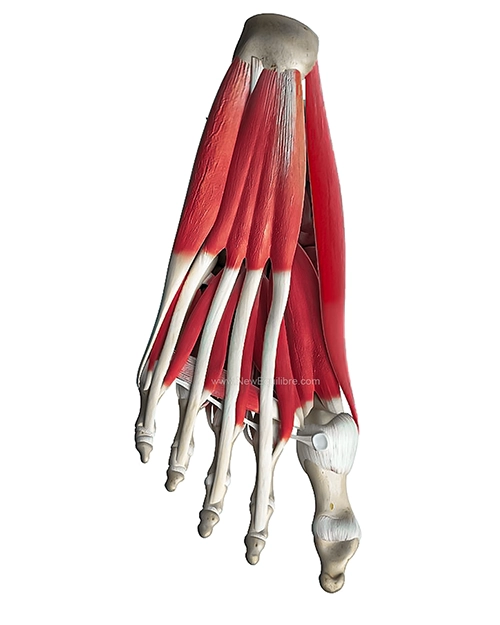
The muscles of the foot are divided into intrinsic muscles (entirely within the foot) and extrinsic muscles (originating in the leg).
Main muscles and tendons:
The human foot has three arches:
These arches allow for shock absorption, pressure redistribution, and foot propulsion during walking or running.
The foot undergoes forces equivalent to several times the body's weight with each step. It functions according to a biomechanical triptych:
An imbalance in one of these phases can lead to:
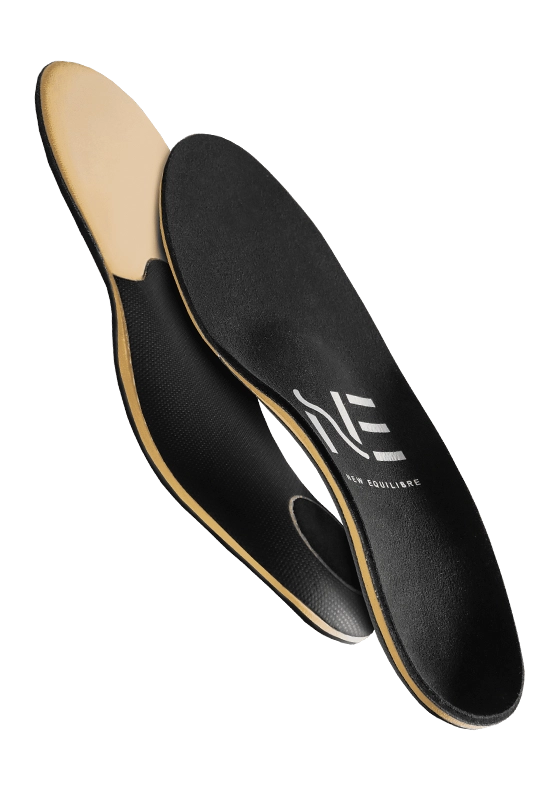
Understanding anatomical structures allows for the identification of the origin of many pathologies. Thus, we were able to design New Equilibre insoles. Made in France, our orthopedic insoles are based on our over 35 years of expertise in orthopedic practice. We offer specific models for the most common pathologies to relieve and prevent pain:
Our insoles rebalance foot biomechanics, relieve pain, and promote a more natural posture. Each model is designed with materials specific to your activity. For everyday use and for sports.
Optimize your comfort and athletic performance with New Equilibre insoles! Every sport has its insoles for optimal effectiveness. Fast delivery, available in 24h, 48h, or 72h.
Healthcare professionals specializing in the design and manufacture of orthopedic insoles for over 35 years. Experts in lower limb care, our orthopedists design New Equilibre insoles in our laboratories in the south of France. Every year, thousands of users and patients in clinics place their trust in New Equilibre's expertise.
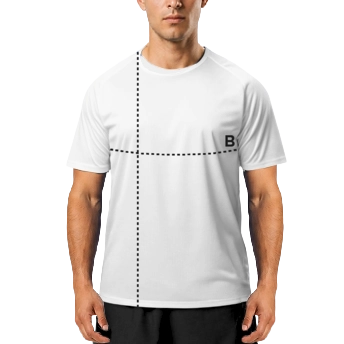
METHOD 1: Measure Your Clothes
Length
Place the end of the ribbon next to the collar at the top of the product (highest point of the shoulder). Pull the measuring tape down to the bottom of the product.
B. Width
Place the end of the ribbon at the underarm seam and pull the ribbon through the product to the opposite underarm seam.
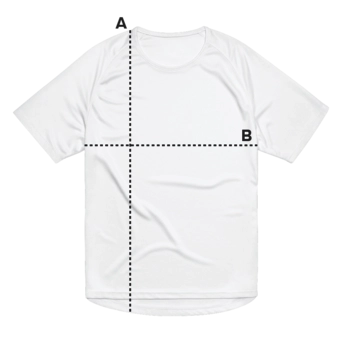
| Size NE | Length (cm) | Width (cm) |
| S | 70 | 50 |
| M | 72 | 53 |
| L | 74 | 56 |
| XL | 76 | 59 |
| 2XL | 78 | 62 |
METHOD 2: Measure Yourself
Length
Measure from the end of the collar (highest point of the shoulder) to the bottom of your garment.
B. Chest
Measure your bust at the fullest part. Keep the tape horizontal.
| Size NE | Length (cm) | Chest width (cm) |
| S | 70 | 76-85 |
| M | 72 | 86-95 |
| L | 74 | 96-105 |
| XL | 76 | 106-115 |
| 2XL | 78 | 116-125 |
At New Equilibre, we believe it's impossible to know if a pair of insoles is right for you without trying them in real life. Sometimes it takes a few days to adjust.
That's why we decided to go further: You can try our insoles for 14 days, even if they've been worn – and if you're not completely satisfied, we'll refund you.
We designed our products with high standards: premium materials, optimal support, cushioning technology, and ergonomic design. We know that once worn, they will be adopted.
Our promise is simple: Try risk-free, decide freely.
Try them today, without hesitation: your feet will thank you!
High-tech orthopedic insoles, developed by French orthopedists.,
which have required over 35 years of research and in-house testing.

New Equilibre's orthopedic insoles are a subsidiary of Forlini Orthopédie. They adapt to all morphologies, flat or hollow feet, valgus or varus feet, and to all types of footwear, for the city, for work and for sport.
Musculoskeletal system relieved
The concept is based on thermoformed insoles molded onto perfectly balanced, physiological foot modules. So when your feet rest on New Equilibre orthopedic insoles, your whole posture is stabilized.
The molded shape of New Equilibre insoles increases the supporting areas of your feet on the ground and redistributes your body's weight over a larger surface. All areas of your foot are thus supported by the insole, and it is this maximum support that relieves all your plantar pain and that of your entire spine.
Stability gain
New Equilibre orthopedic insoles stabilize your heel with their integrated heel cups at the back of the insole. They also stabilize your midfoot with internal and external arch supports and forefoot support. Finally, they harmoniously distribute pressure across your metatarsal heads. The forefoot is also more stable, thus promoting excellent foot propulsion.
It's very important to realize that our feet support our entire skeleton within a few square centimetres.
New Equilibre insoles allow your body to regain its lost balance.
Resting joint positions
With the foot stabilized, the ankle, knee, hip and spine are relieved of stress.
Spreading your body's weight over a larger surface area reduces the fatigue of muscles and tendons. This increases their capacity for recovery and facilitates good performance by all musculo-tendinous groups.
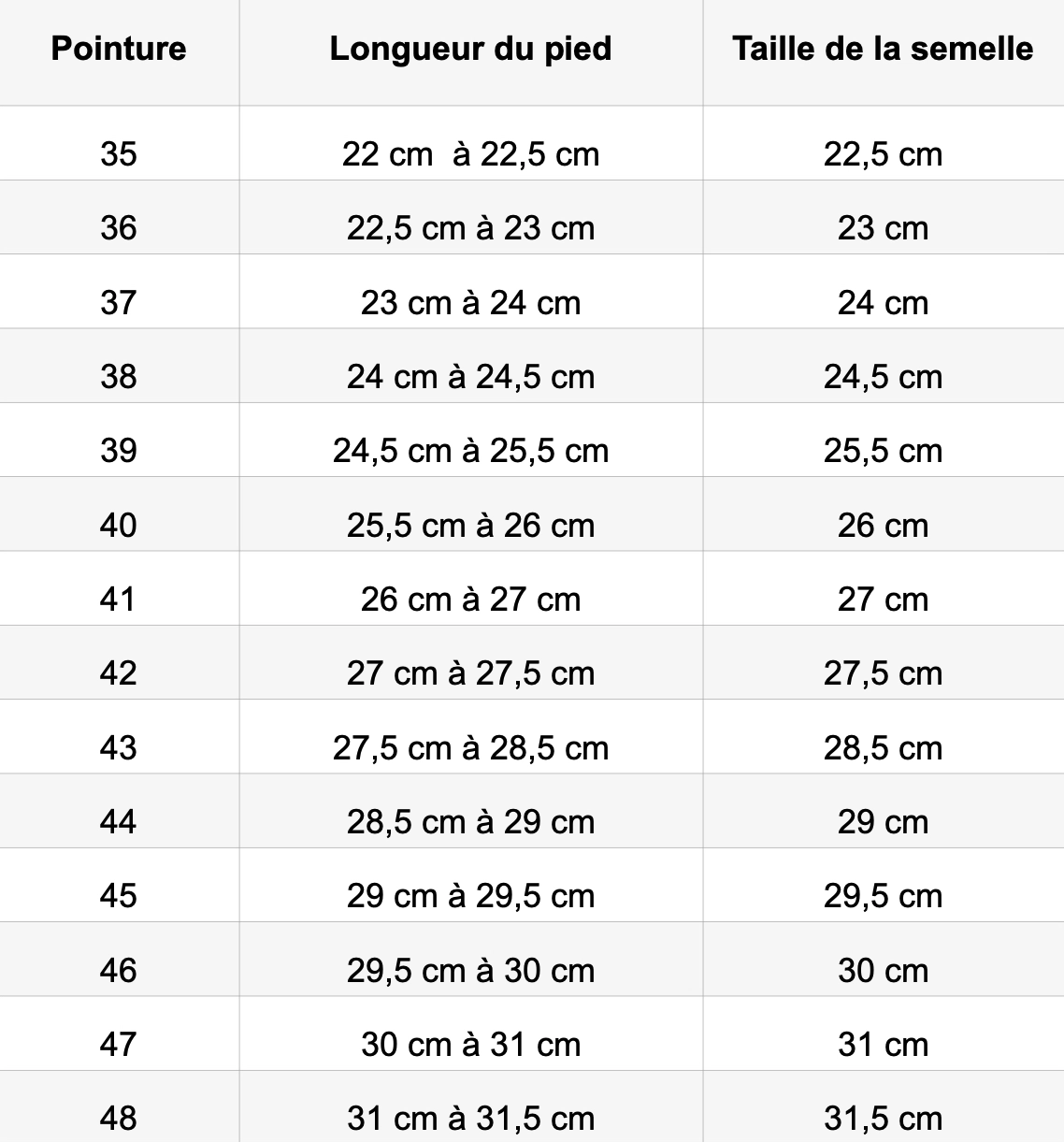
To help you choose your size, we recommend removing the original removable insole from your shoes, and measuring from heel to toe.
Next, compare the size of your original insole with the Insole size New Equilibre via the table below. Then select the corresponding size when ordering.
For deliveries to France:
| Standard Delivery (Colissimo) |
from the
|
Offer from €80 purchase |
| Express Delivery (Colissimo) |
from the
|
5,00€ |
| Urgent Delivery (Chronopost) |
from the
|
21,00€ |
For deliveries outside of mainland France:
Read more >