0

Bow legs

the complete guide

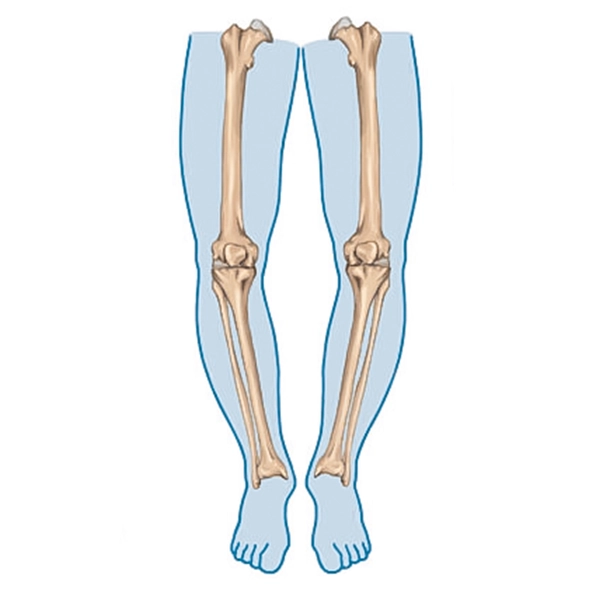
Genu varum, also known as bow legs, is an orthopedic condition in which the knees are spread apart while the ankles touch when the feet are together.

In this complete guide, we'll explore in detail the causes, symptoms and treatment options for genu varum.

Genu varum, causes and treatments

What is a genu varum?

The term «genu varum» refers to an orthopedic condition in which the knees are spread apart while the ankles touch when the feet are brought together. In other words, the legs have an outward curve at the knees, creating a space between the knees when the feet are together.

Genu varum is also known by other names such as «bow legs» or «bowlegs» in English. This condition can be present from birth (congenital) or develop over time due to factors such as bone growth abnormalities, musculoskeletal disorders, or bone diseases.

In mild cases of genu varum, the deformity may not cause significant problems and may even resolve naturally as the child grows. However, in more severe cases, genu varum can lead to symptoms such as joint pain, difficulty walking or running, or problems with posture and balance.

Treatment of genu varum depends on the underlying cause and the severity of the condition. It may include conservative measures such as muscle-strengthening exercises, orthopedic devices like orthoses or special shoes, physiotherapy or, in some cases, surgery to correct the deformity.

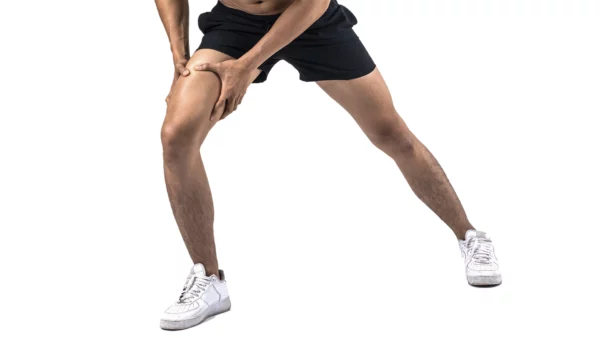
Bowlegs
Bowlegs
Bowlegs / Knock-knees
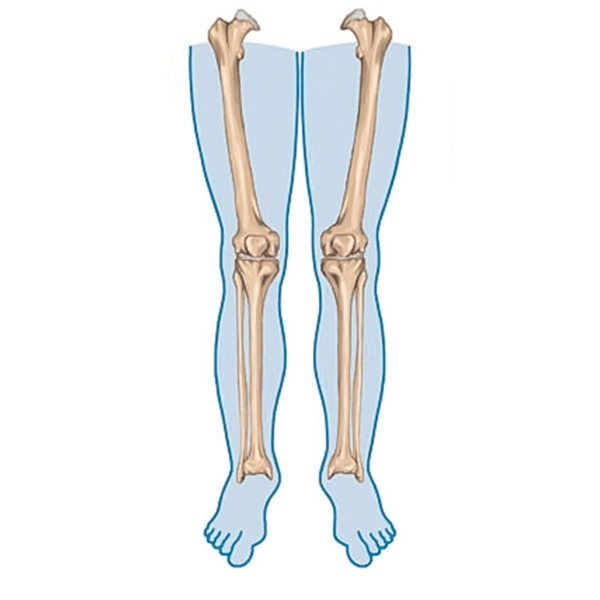
Normal anatomy
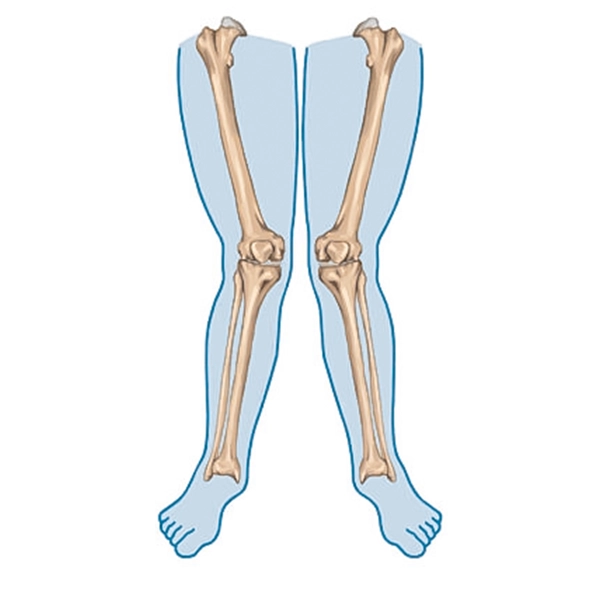
Knock knees
Knock knees

What causes bow legs?

Bow legs, medically known as genu varum, can have several causes, including:

  1. Congenital anomalies : Some people are born with bowed legs due to genetic or developmental factors that affect bone and joint growth.
  2. Bone growth disorders : Conditions such as rickets, which is a deficiency in vitamin D or calcium, or osteomalacia, which is a softening of the bones, can lead to bone deformities, including bowed legs.
  3. Posture problems : Poor posture can contribute to the development of bow legs, especially if maintained over long periods of time during growth.
  4. Muscle weakness : Weak muscles around the knees and ankles may not provide adequate support, leading to leg deformity.
  5. Bone diseases : Certain bone diseases, such as osteogenesis imperfecta (brittle bone disease) or bone tumors, can lead to bone growth abnormalities, including bowed legs.
  6. Traumatic injuries : Poorly healed fractures or serious injuries to leg bones can also lead to deformities and bowed legs.

It is important to note that the exact cause of bowlegs can vary from person to person, and in many cases, several factors can contribute to the development of this condition.

What are the symptoms of genu varum?

The symptoms associated with genu varum, or bow legs, can vary depending on the severity of the condition and individual factors. Common symptoms typically include:

  1. Visible deformation : Bow legs are characterized by an outward curvature of the legs at the knees, while the ankles touch when the feet are together. This deformity can be more or less pronounced depending on the severity of the genu varum.
  2. Pain: People with bowlegs may experience pain in their knees, ankles, or hips, especially when standing or performing activities that put pressure on the joints.
  3. Discomfort: A feeling of discomfort or unease can be felt in the knees or ankles, especially after prolonged or intense physical activity.
  4. Abnormal gait : Bow legs can affect a person's gait, giving them an abnormal or unstable walk.
  5. Difficulty walking or running: Some people may find it difficult to walk or run comfortably due to leg deformity and associated pain.
  6. Stability or balance problems: Bow legs can lead to stability or balance problems, which can make certain physical activities more difficult or dangerous.


It is important to note that symptoms can vary from person to person and may be more or less severe depending on the severity of the genu varum.

How to correct genu varum?

The correction of genu varum, or bowlegs, depends on several factors, including the severity of the condition, the underlying cause, and the patient's age. Here are some treatment approaches that can be used to correct genu varum:

  • Muscle-strengthening exercises : Exercises targeting leg muscles, especially those around the knees and ankles, may be recommended to strengthen muscles and improve joint stability.
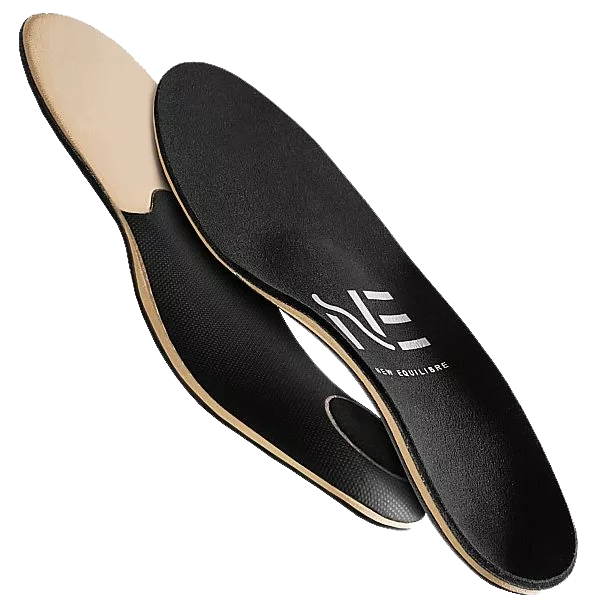
  • Foot orthotics (orthopedic insoles) : Orthopaedic devices such as orthopedic insoles can be prescribed to support the legs and help correct deformities. These insoles prove to be very effective in properly rebalancing the axis of the feet, ankles, and knees. They thus help to reduce pain and other pathologies related to bowlegs.
  • Physiotherapy : Physiotherapy can be recommended to help improve joint range of motion, strengthen muscles and correct muscle imbalances that contribute to genu varum.
  • Orthopedic shoes : Specially designed shoes with arch support and proper alignment may be recommended to help correct posture and reduce pressure on joints.
  • Surgery: In severe cases of genu varum that do not respond to conservative treatments, surgery may be considered. Surgery can involve an osteotomy, where bones are cut and realigned, or other procedures aimed at correcting the deformity.

Orthopedic insoles for genu varum

Orthopedic insoles play an important role in the treatment of genu varum by providing additional support, correcting biomechanical imbalances and reducing pressure on the joints.

Here's how orthopedic inserts can benefit genu varum sufferers:

  • Alignment correction: Orthotic insoles can be designed to correct the alignment of the feet, ankles, and knees, which can help reduce leg deformity associated with genu varum.
  • Pressure distribution : Orthopedic insoles evenly distribute the pressure exerted on the feet when walking or running, reducing stress on the joints and easing the pain associated with genu varum.
  • Arch support : Orthotic insoles provide additional arch support, which helps to stabilize the feet and improve leg and knee alignment.
  • Shock absorption : Orthopedic insoles are made from shock-absorbing materials that absorb shocks when walking or running, reducing pressure on joints and easing pain.

ORTHOPEDIC INSOLES
Daily

Rated 5 out of 5

80,00 €

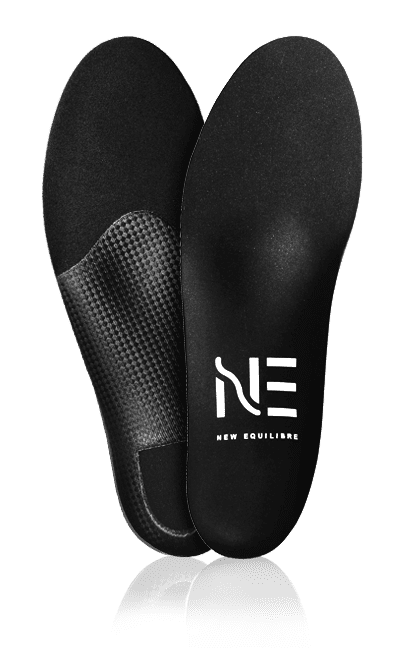
New Equilibre insoles have been tested and approved by thousands of users. Their effectiveness is clinically proven. It's easy to order your insoles exclusively from our online store, and regain the comfort your feet deserve.

Free delivery to metropolitan France, within 2 working days.

ORTHOPEDIC INSOLES
SPORT ELITE PRO

Rated 5 out of 5

110,00 €

ORTHOPEDIC INSOLES
SPORT ELITE PRO

Rated 5 out of 5

110,00 €

ORTHOPEDIC INSOLES
SPORT ELITE PRO

Rated 5 out of 5

110,00 €

ORTHOPEDIC INSOLES
SPORT ELITE PRO

Rated 5 out of 5

110,00 €

Gérard Forlini orthopedic surgeon

Article written by Forlini Orthopedics
Spécialiste de la fabrication de semelles orthopédiques
- Plus de 35 ans d’expérience dans la prise en charge du pied (depuis 1988)
- Plus de 5000 patients accompagnés chaque année en cabinet.
- À l’origine du développement des semelles New Equilibre

    0
    Cart
    Your cart is empty.Return to shop
      Calculate Shipping
      Apply Coupon