Calcaneal Spur
the complete guide
Calcaneal Spur, also known as Lenoir's spine, is an bone growth of the heel, which can cause intense pain, especially when walking or putting prolonged pressure on the foot. Often linked to Plantar fasciitis or plantar fasciitis, this condition results from inflammation of the plantar fascia, a membrane connecting the heel bone to the toes. It can be aggravated by poor posture, excessive pressure on the foot, or wearing unsuitable shoes.
Pour relieve pain and to limit deformation, several solutions exist: orthopedic shoes, cushioning insoles, braces, and physiotherapy exercises. Treatment may also include specific stretches, injections, or, in some cases, surgery.
Good plantar support and appropriate cushioning are essential to prevent worsening symptoms and promote better recovery.
What is a calcaneal spur?
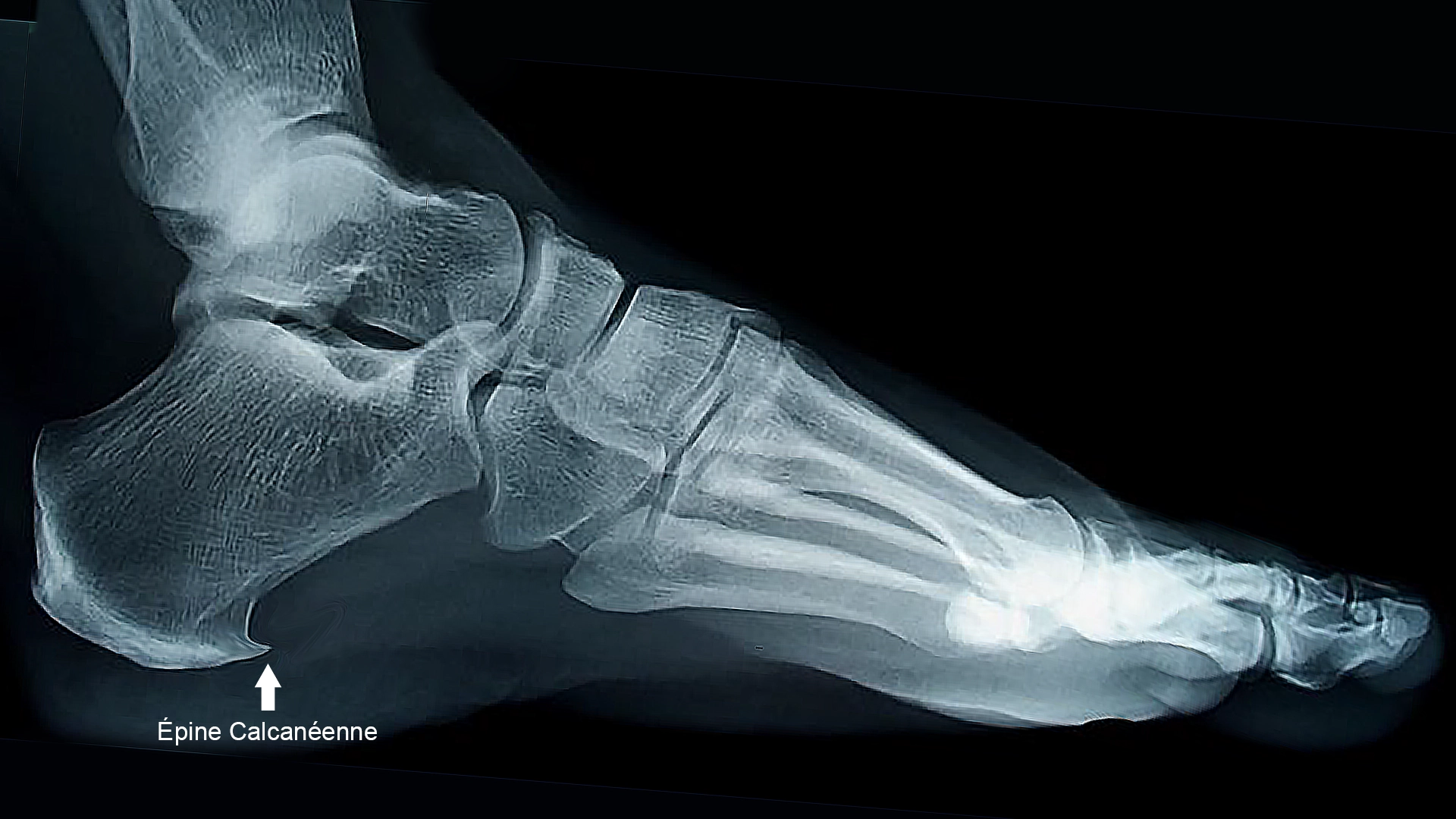
A heel spur manifests as a bone growth resembling a thorn, which can form on the calcaneus, the heel bone. This condition typically arises from irritation of the plantar fascia, a band of fibrous tissue located on the sole of the foot, hence its other name, plantar fasciitis.
Heel spurs can also be triggered by overuse of the Achilles tendon, which promotes the development of this bony outgrowth on the upper part of the calcaneus. Indeed, persistent excessive strain exerts tension on the periosteum, leading to the formation of calluses and bone calcifications. This is commonly known as a heel spur. Although it is generally not visible to the naked eye, it can be diagnosed with X-rays.
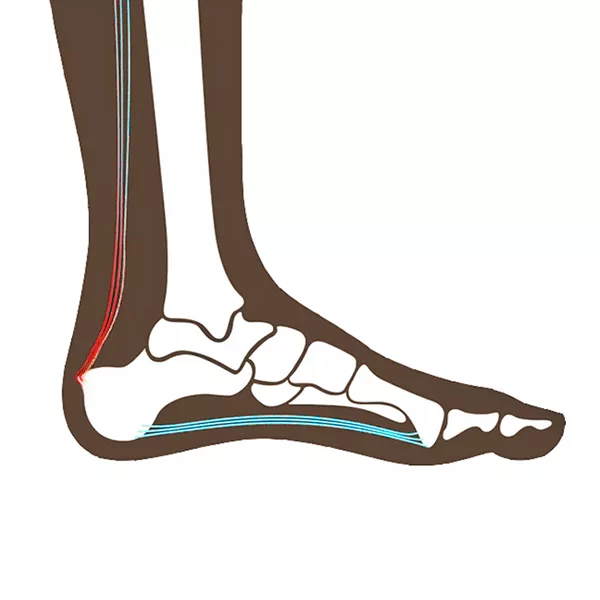
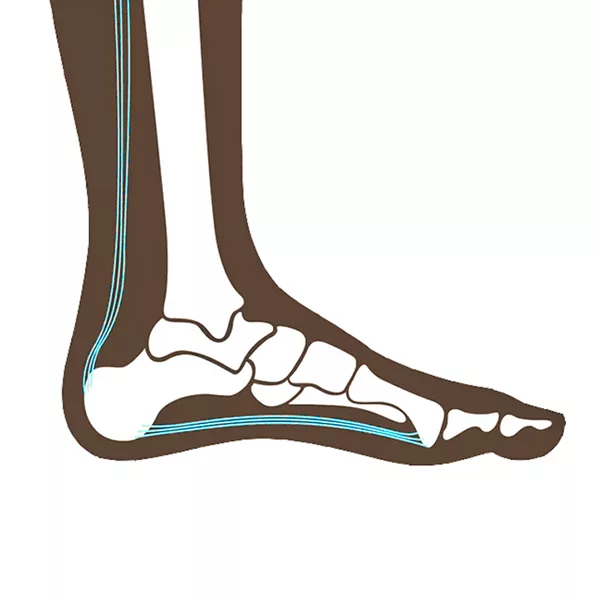
Posterior calcaneal spine (cranial calcaneal spine) : In this case, the bony outgrowth forms at the base of the calcaneus, at the Achilles tendon. Pain is felt under the heel. Posterior calcaneal spur occurs when the Achilles tendon is overworked.
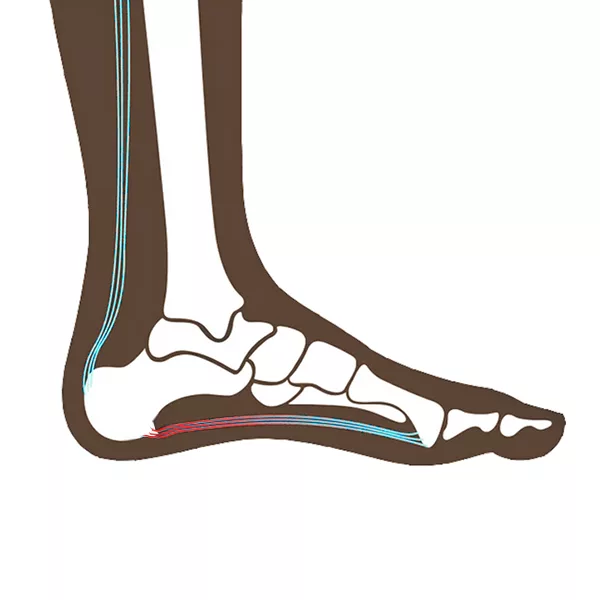
Inferior heel spur (plantar heel spur) : The bony deformity appears here on the underside of the heel. The inferior heel spur is created when the plantar fascia is overworked.
Heel spur symptoms
People affected by heel spurs often describe:
- Pain under the heel
- morning pain
- discomfort when walking or standing
Calcaneal spur pain is often felt in the heel area, particularly when taking your first steps in the morning or after a prolonged period of rest. Its onset is often linked to factors such as excess weight, intense physical activity or unsuitable footwear.
Where is the pain of heel spur located?
When you set out to do something, you may feel a stabbing pain in your heel. Mornings bring their share of "cold" pains, especially when you take your first steps after waking up. These pains are not limited to the foot, but can also radiate down the leg.
As a result of the inflammatory reaction, the heel spur may swell, creating a sensation of heat in the heel area. Sometimes, a slight elevation may even be visible or palpable in the heel. Although heel spurs can often go unnoticed due to the absence of obvious symptoms, some people do suffer from them. At one time, heel spurs were often treated surgically, with little success in alleviating long-term pain. However, the good news is that surgery is only necessary in exceptional cases. On the other hand, there are ways to alleviate the discomfort of heel spurs with the tips below.
The causes of a heel spur
Inflammation of the plantar fascia or, more rarely, the Achilles tendon:
When you subject the tendons in your feet to excessive and prolonged strain due to long periods of standing or sporting activity, non-physiological tensions can emerge. In fact, micro-tears or inflammations can also develop in the heel area. In fact, micro-tears or inflammations can also develop in the heel. This is known as plantar fasciitis. So, in response to this incorrect posture, your body adapts by accumulating calcium at the base of the tendons under increased pressure. This accumulation is designed to strengthen the calcaneus and restore the natural tension balance. However, this bony outgrowth is not responsible for the pain. This is the result of increased tension on the periosteum and, in advanced stages, chronic inflammation of the plantar fascia. More rarely, heel pain can result from increased tension and inflammation of the Achilles tendon.
Lack of mobility in the sacroiliac joint:
The sacroiliac joint connects the sacrum to the ilium, the back of the pelvis to the spine. Although it may seem surprising, reduced pelvic mobility can lead to heel problems. Indeed, the often unilateral lack of mobility of the sacroiliac joint can lead to misalignment of the pelvis. Altered tensions along the posterior myofascial chain create a length imbalance between the legs. As a result, weight is distributed unevenly across your feet. As a result, the calf and foot muscles are overloaded on the side with the greatest stress. The heel adopts an unnatural position, over-tensioning the plantar fascia and causing inflammation. Translated with www.DeepL.com/Translator (free version)
What treatments are available for a heel spur?
When a heel spur appears, different approaches can be considered depending on the situation, the intensity of the symptoms, and their progression over time. The term Treatments This brings together all possible support avenues, whether medical, functional, or related to daily movement habits.
The goal is not to propose a one-size-fits-all solution, but to better understand what influences pain in order to adapt actions progressively and coherently.
In the event of heel spur, it is advisable to consult a doctor or podiatrist/orthopedist to get an accurate diagnosis and a treatment suited to your situation.
Anti-inflammatories and analgesics
The doctor may prescribe non-steroidal anti-inflammatory drugs (NSAIDs) such as ibuprofen to reduce inflammation and relieve pain. Analgesics such as paracetamol can also be used to reduce pain.
Corticosteroid injections
In some cases, corticosteroid injections can be administered directly into the affected area to relieve inflammation and pain. This treatment must be carried out with caution and under medical supervision, as it can potentially lead to complications.
Heel spur pain is not related to the bony growth itself. The bony growth is not painful in itself; the pain comes from inflammation of the plantar fascia, as a consequence of the bony growth. Thus, its treatment often involves a global balance of the body, where posture, mobility, and how weight is distributed play an essential role. The foot forms the base of this chain. When weight distribution on the ground is unbalanced, certain areas of the body may be overstressed, which can lead to painful muscle inflammation.
In this context, some people choose to act on their movement base.
Insoles designed to improve the quality of foot support can help provide more even stress distribution during walking or daily activities. The goal is not to treat a pathology, but to support the body by offering a more stable base that is more aligned with its natural biomechanics.
Do you play a sport and have questions about your footwork?
Select your activity to discover New Equilibre insoles designed to support movement.
Acting on supports: the role of footings
When considering heel spurs, it is important to consider the body as a whole.
The foot is the first point of contact with the ground and plays a central role in how stresses are transmitted to the rest of the body during walking or everyday movements.
How do insoles affect the foundation of movement?
Influence on posture and overall alignment: The insoles are designed to support the foot in its natural position and promote a more balanced distribution of pressure. By acting at the base of the body, they can influence overall posture and how forces are distributed during movement.
Mechanical stress distribution: By improving the quality of ground support, insoles help to distribute stress more evenly across the feet, legs, and pelvis. This approach aims to limit localized overloads related to certain postural habits or repetitive movements.
Stability while walking A more stable base allows for smoother, better-controlled walking. The insoles support the foot's roll and contribute to better movement continuity, without trying to stiffen or restrict natural dynamics.
Ground Impact Management The materials used in the design of the insoles help to manage the impact when contacting the ground. This impact management is part of a logic of functional comfort, especially during daily activities involving walking or prolonged standing.
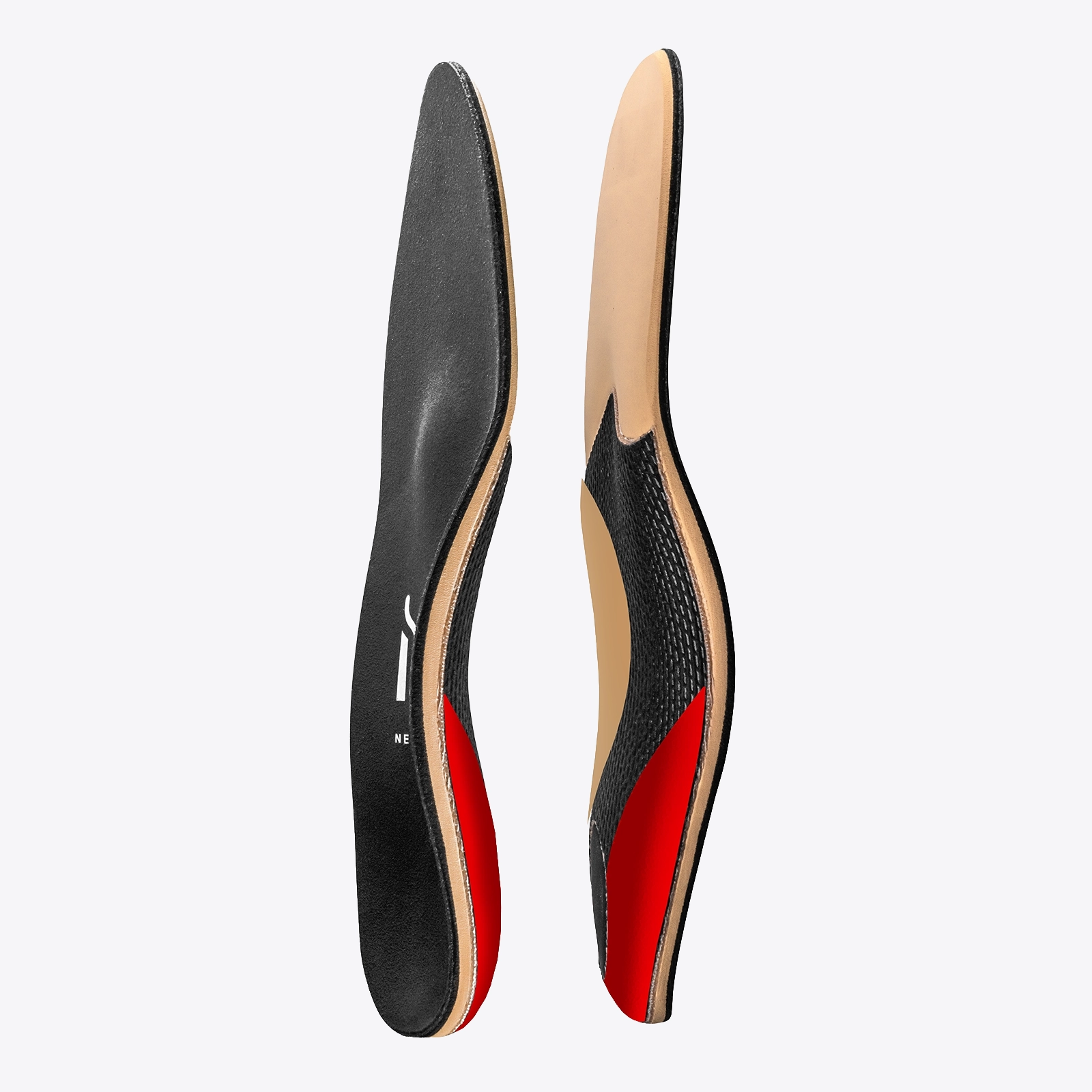
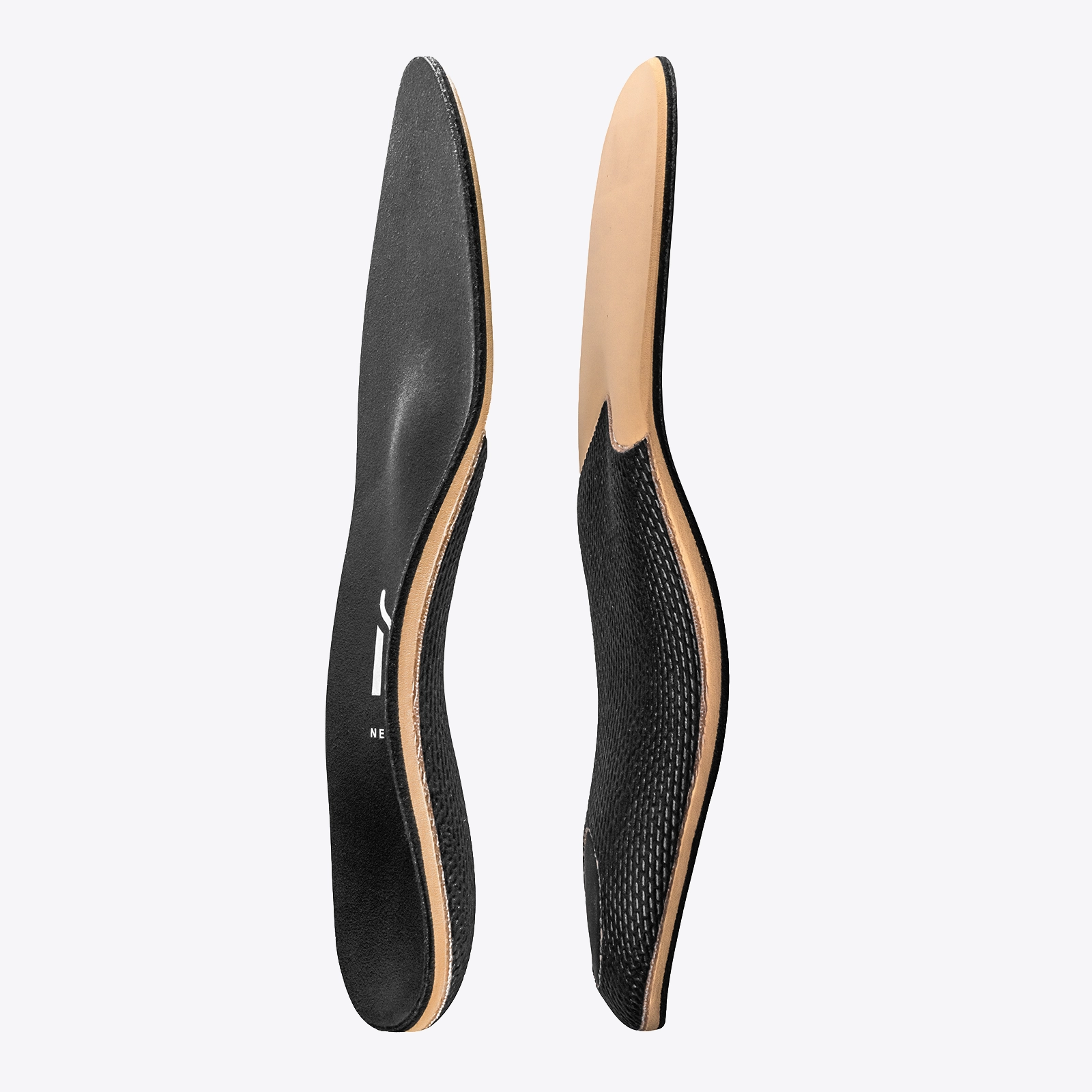
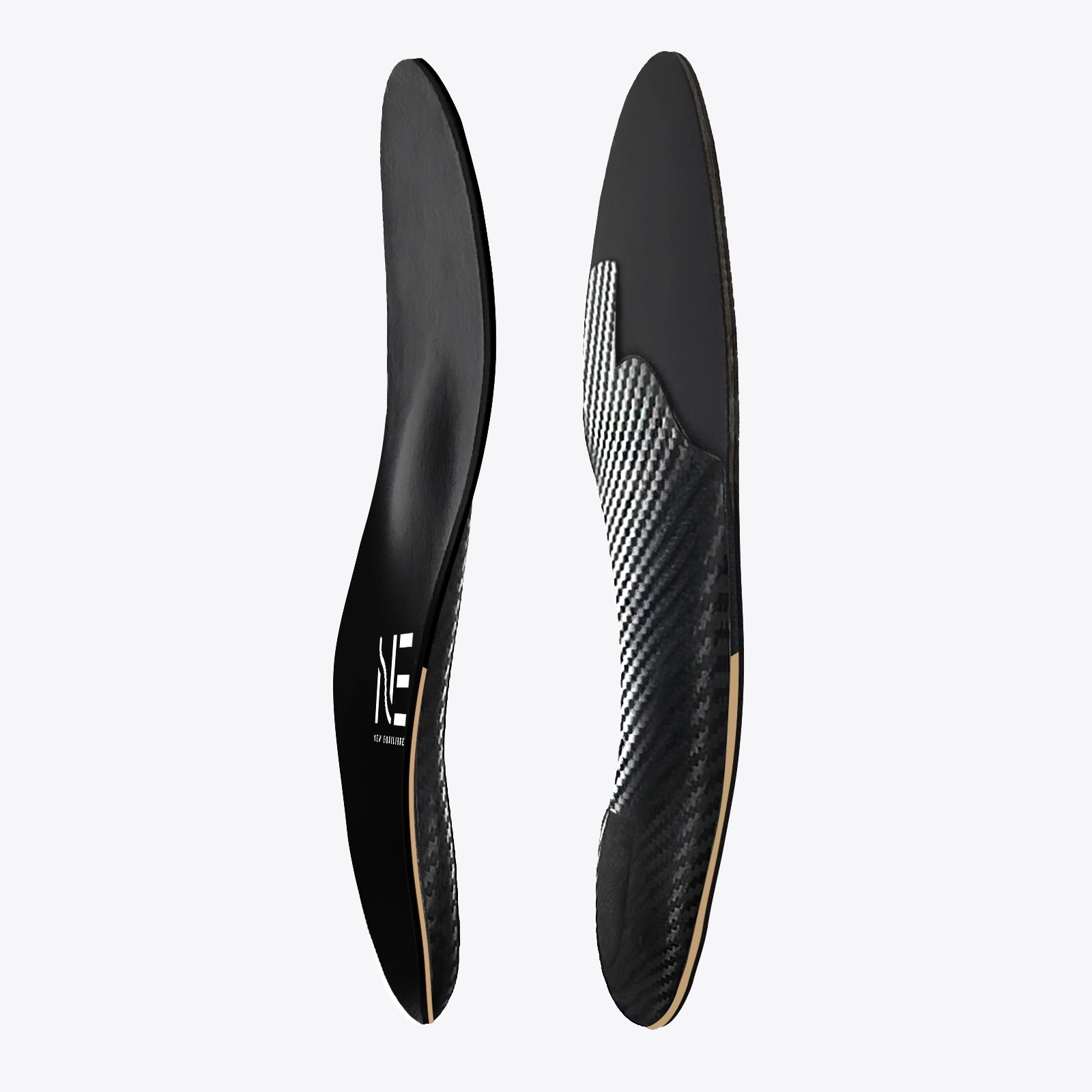
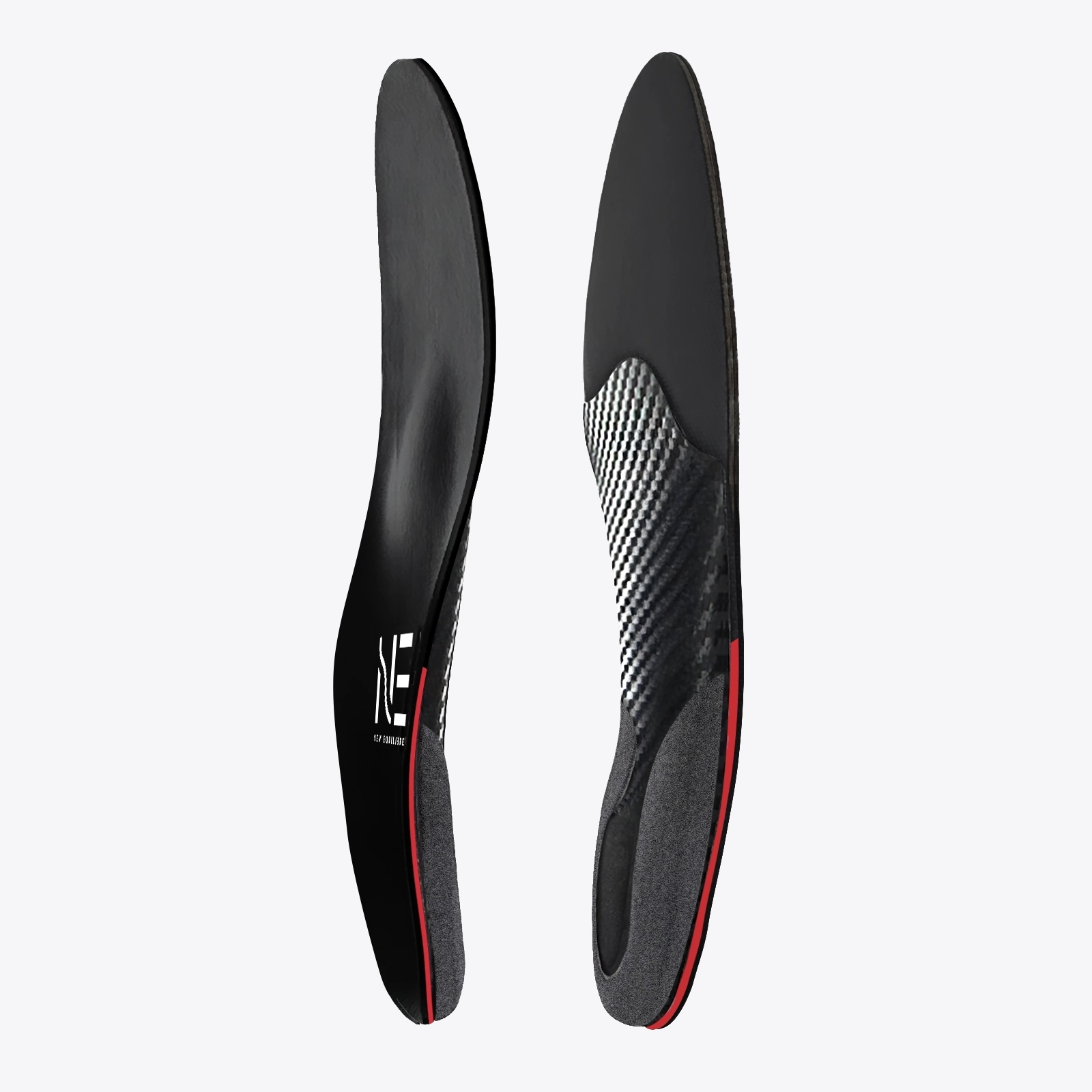
New Equilibre Insoles
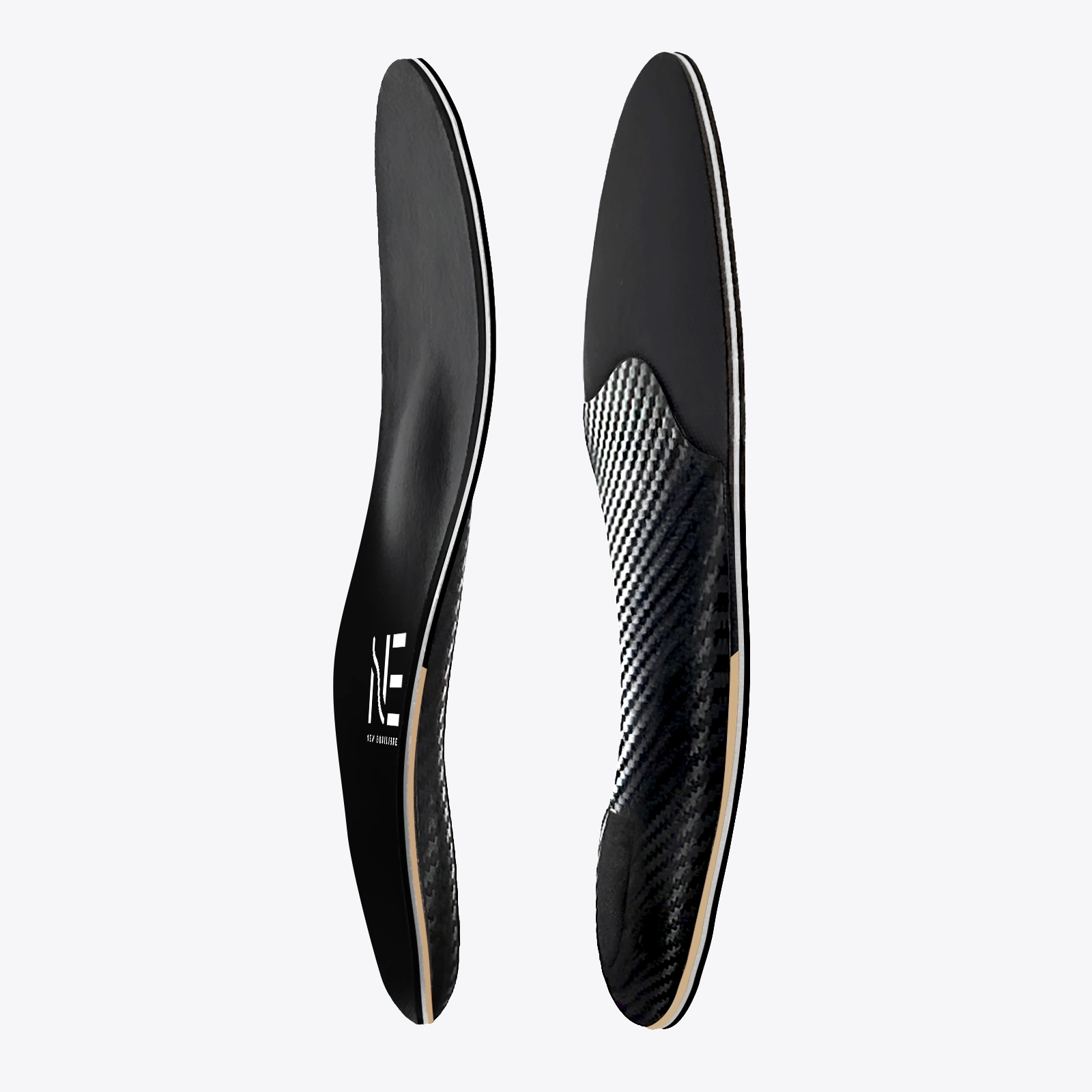
The New Equilibre Insoles They are designed based on over 35 years of biomechanical foot analysis in orthopedic practices. They easily fit into everyday or sports shoes and aim to support movement while respecting the natural anatomy of the foot.
«It all starts with the foot.»
New Balance, a new impetus.
The pain is still slightly present after a week.
But I can walk again in my daily life!
FAQ - Frequently Asked Questions about Heel Spurs:
How long does a calcaneal spur last?
The duration of this pathology can vary and depends on several factors.
- Severity of condition : Calcaneal spurs can vary in size and severity. Some may be smaller and less symptomatic, while others may be larger and more painful. Larger spines or more severe cases of plantar fasciitis may require more intensive treatment and therefore take longer to heal.
- Comorbidities: Underlying medical conditions such as obesity, arthritis or other health problems can affect recovery from this condition. These conditions can aggravate symptoms and prolong recovery time.
- Treatment compliance : Patient compliance with recommended treatment can also play an important role in the length of recovery. Patients who rigorously follow their healthcare professional's recommendations, including self-care measures at home and follow-up appointments, are more likely to see faster improvement in their symptoms.
Can you walk with a heel spur?
It is perfectly possible to walk despite the presence of a heel spur. Pain is generally felt in the morning and evening, although it may occur less frequently during the day. The frequency and intensity of pain will depend on the stage of the pathology. Orthopedic insoles are the most effective, long-term solution for ensuring pain-free walking.
Wearing orthotics with a calcaneal spur
The orthopedic insoles can relieve heel spur inflammation by relieving pressure on the heel. Thermoformed insoles supporting the medial, lateral and anterior plantar arches evenly distribute the foot's support zones and relieve pressure on the hindfoot. These supports relieve pressure on your musculo-tendinous system, rapidly reducing the inflammation caused by this pathology. The Calcaneal Spur insoles They are designed to effectively treat this condition. Equipped with cushioning and comfortable materials, they provide excellent long-lasting comfort. It is advisable to wear orthopedic insoles daily to prevent the inflammation from returning. Wearing orthopedic insoles is the most effective treatment for overcoming heel spur pain quickly and in the long term.
What shoes should you wear if you have a heel spur?
Make wise choices when it comes to footwear and vary your athletic shoes regularly. Indeed, worn-out shoes and those with a pronounced heel-to-toe drop (a significant height difference between the heel and the forefoot) can encourage the development of inflammation. Favor sneaker-type shoes with a wide fit, allowing for more comfort. Additionally, this type of shoe generally comes with a removable insole, which can be taken out to be replaced with comfortable orthopedic insoles adapted to your condition. You will then only need to equip yourself with New Equilibre orthopedic insoles, with their cushioning materials and good arch and muscle support structure.
How to relieve a calcaneal spur with Grandma's remedies?
In addition to medical treatment, there are a number of natural methods that can be used to quickly relieve and heal heel spurs. First and foremost, it's important to rest the affected foot, so as not to exacerbate the inflammation.
Hot and cold therapy
- Cold: Applying cold to the painful area can help reduce inflammation and relieve pain. Vous pouvez utiliser des glaçons enveloppés dans un linge propre ou un sac de gel réfrigérant. Appliquez le froid pendant 15 à 20 minutes, plusieurs fois par jour.
- Foot bath: Immersing your foot in a warm water bath with added Epsom salt relaxes muscles and promotes blood circulation in the affected area. Repeat this treatment daily until the pain improves.
Muscle stretching
Regular stretching can help improve the flexibility and resistance of foot muscles and ligaments. Here are a few exercises you can do at home:
- Calf stretch: stand facing a wall, place your hands against the wall and move one foot in front of the other. Keep your back heel on the ground and push gently towards the wall.
- Arch stretch: Sit on a chair and place a tennis ball under the arch of your foot. Roll the ball under your foot for a few minutes.
- Toe stretch: Sit on a chair and place your affected foot on the other knee. Gently pull the toes towards you to stretch the arch ligaments.
Foot massages
Evidence shows that self-massage of the plantar fascia and calf muscles can improve mobility and reduce muscle tension. So, when self-massaging the plantar fascia, pay attention to a few key points: work close to the heel spur, apply light pressure in the painful area. Don't forget to pay attention to the mobility of the sacroiliac joint. These simple measures can help relieve heel spur symptoms while you rest.
These treatments do help to alleviate pain, but only in the short term. They won't provide total relief from this pathology, which will keep resurfacing without effective treatment to support your foot. This is why daily orthopedic inserts remain the best long-term treatment.
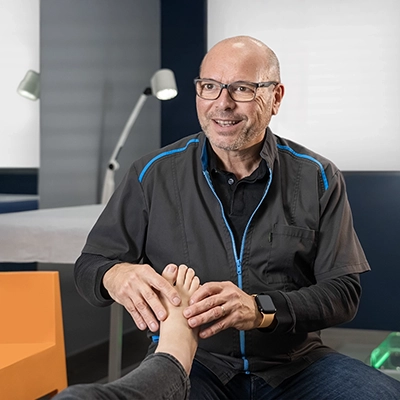
Article written by
Gérard Forlini
Orthopedist –
Over 35 years of experience in foot care (since 1988)
Over 5,000 patients supported each year in the practice.
In collaboration with Maxime Forlini – Founder of New Equilibre, specializing in the design of insoles and foot support analysis