Tibial periostitis
the complete guide
- Published on
- By New Equilibre
SUMMARY :
Shin splints, a problem frequently encountered by both seasoned athletes and amateur sports enthusiasts, particularly those who participate in running. This condition, often described as inflammation of the shinbone, manifests as sharp shin pain, which can be extremely bothersome for any active individual. Shin splints are generally caused by overuse of the tendons and repeated mechanical stress, exacerbated by constant impacts against hard surfaces.
In this guide, we will explore the symptoms, causes, as well as the best prevention methods and treatments to effectively relieve this condition. Whether you are a long-distance runner looking to avoid injuries or an athlete wanting to understand the importance of orthotics and cross-training, this guide will provide you with essential information to stay healthy and active.
We will also highlight practical strategies for reducing the risk of developing shin splints, including adjustments to your training routine and the use of appropriate equipment. We will also explore the link between stress fractures and shin splints, helping you adopt a proactive approach to keeping your legs healthy. Let's discover together how to better manage and prevent shin splints, ensuring a sustainable and pain-free sports practice.
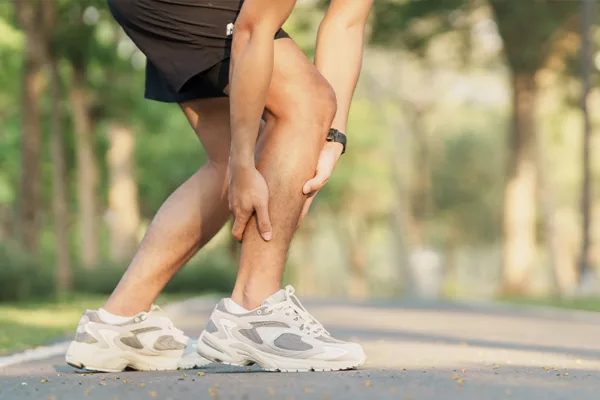
Shin splints primarily affect runners, dancers, and athletes who participate in sports involving a lot of running or jumping. It is characterized by pain along the tibia, the bone that runs from the knee to the ankle. It results from inflammation of the muscles, tendons, and connective tissue around the tibia. This inflammation is often caused by continuous overuse of the periosteum (the membrane covering the bone) and surrounding tissues.
What are the causes of shin splints?
Shin splints, also known as «medial tibial stress syndrome,» are typically caused by a combination of overuse and repetitive stress on the tibia. Here are the main causes of this condition:
- Overwork A sudden increase in physical activity, especially in terms of frequency, duration, or intensity, can overload the tibia's tissues faster than their ability to heal.
- Repeated impact Activities that involve repetitive impacts on hard surfaces, like running on asphalt or concrete, put a lot of pressure on the bones and soft tissues of the tibia.
- Bad equipment: The use of inadequate or worn-out shoes can contribute to poor shock absorption and increased stress on the shin.
- Biomechanical problems: Structural imbalances or abnormalities, such as flat feet, overpronation (inward rolling of the foot), or poor running posture, can alter how forces are distributed through the legs, leading to tibial overload.
- Inadequate physical condition A lack of flexibility, strength, or conditioning in the leg muscles can also increase the risk of shin splints, as the muscles do not effectively support the tibia against impact.
Shin splints are thus often the result of multiple factors that interact and exacerbate the stress placed on the tibia. Managing these factors can help prevent or treat this condition.
What are the symptoms of shin splints?
Shin splints have several characteristic symptoms that can vary in intensity depending on the severity of the inflammation and the stage of the condition. Here are the most common symptoms:
- Pain along the inner edge of the shin The pain is often localized along the inner part of the shinbone, where muscles and tendons attach to the bone. This pain may initially appear at the start of physical activity and lessen during exercise, only to return with increased intensity after the activity stops.
- Sensitivity or pain to touch: The area around the shinbone can become tender to the touch, and the pain can extend over a large portion of the shinbone, not just a specific point.
- Swelling In some cases, mild swelling may appear along the shinbone due to inflammation.
- Redness and warmth Although less common, the site of the pain may become slightly red and warm to the touch due to inflammation.
- Pain that worsens with activity The pain can intensify with continued activities that stress the shinbone, such as running, jumping, or even brisk walking.
- Pain that persists after activity As the condition worsens, pain can become constant, even occurring at rest, and disrupt sleep or normal daily activities.
It is important to note that shin splints can sometimes be mistaken for tibial stress fractures, which require immediate medical attention. Therefore, when experiencing these symptoms, it is advisable to consult a healthcare professional for a proper diagnosis and treatment.
How long does shin splints last?
The duration of shin splints can vary considerably depending on several factors, including the severity of the inflammation, the treatment methods used, and the patient's individual activities. Here are some general points on the duration of this condition:
- Mild to Moderate: For milder or moderate cases of shin splints, symptoms may begin to improve with rest and appropriate care measures within a few weeks, typically between 2 to 4 weeks. However, it may still be necessary to limit or modify activity for several more weeks to allow for complete healing.
- Severe In more severe cases, where the damage and inflammation are more extensive, full recovery may take several months. Sometimes, healing can take up to 3 to 6 months, especially if initial treatment is not undertaken quickly or if the patient continues to strain their tibia without allowing adequate rest.
- Rehabilitation and Prevention Shin splints can often recur if the underlying causes are not addressed. This includes adjustments to body mechanics, improving equipment, such as footwear, and adapting training routines. Engaging in a targeted rehabilitation program and implementing preventive practices are crucial to avoiding recurrence.
Close cooperation with one of our health specialists allows for optimized recovery periods and minimized risks of complications or relapses through the use of New Equilibre orthopedic insoles.
Orthotic insoles for shin splints
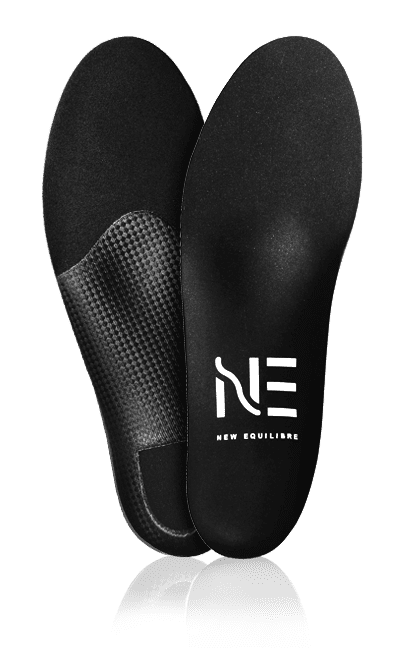
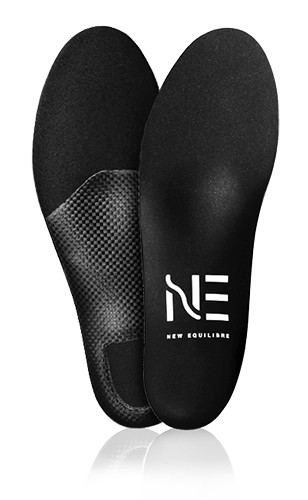
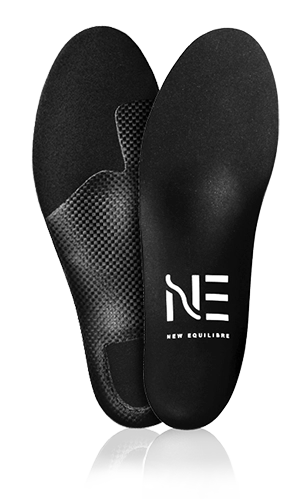
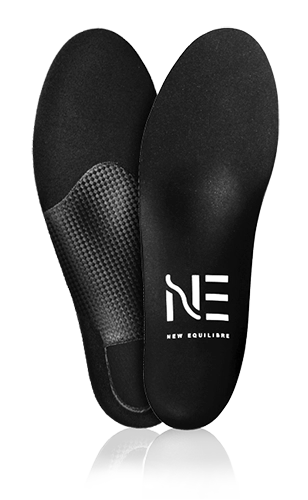
Thermoformed orthopedic insoles are an effective option for managing and preventing shin splints, especially in individuals with biomechanical imbalances or foot support issues. Here's how they can help:
- Biomechanic correction: Thermoformed orthopedic insoles are designed to provide optimal support for your feet. They rebalance your foot support and posture, reducing excessive pronation and correctly distributing the weight-bearing surface of the foot, thereby reducing pressure on the shin.
- Shock absorption New Equilibre insoles are equipped with shock-absorbing materials, reducing the impact on the shinbone during walking, running, or other physical activities. This is particularly useful on hard surfaces where the risk of shin splints is higher.
- Muscle strain reduction By properly stabilizing and supporting the foot, insoles reduce muscle and tendon strain related to the shin, thereby decreasing the risk of repetitive microtrauma that leads to shin splints.
- Increased comfort: The New Equilibre insoles also improve overall comfort when walking or running, which can encourage better adherence to physical rehabilitation programs and regular exercise.
- Relapse prevention: By addressing the underlying causes of shin splints, orthopedic insoles help prevent recurrences of this condition, especially in athletes and highly active individuals.
Free delivery to Metropolitan France, within 2 working days.
Can I run with shin splints?
It is generally not recommended to continue running with shin splints, as it can worsen the inflammation and delay healing. Running with shin splints can also increase the risk of more serious complications, such as stress fractures.
Here are some considerations to keep in mind:
- Listen to your body: If running causes pain, it is best to stop and allow your body to rest and recover. Ignoring pain can lead to a more severe injury.
- Consult a healthcare professional. The New Equilibre team is available to advise you based on your situation. Contact us at [email protected].
- Rest and recovery: Rest is often an essential part of treating shin splints. This includes avoiding activities that cause pain until you can do them pain-free.
- Gradual reintroduction: Once the pain has subsided, it's important to gradually resume running. Slowly increase distance and intensity, making sure not to re-aggravate the pain.
- Improvement of techniques and equipment Ensure your shoes are appropriate and in good condition. Consider using orthotic insoles to optimize your support. Additionally, working on your running technique can help reduce shin tension.
- Prevention Incorporating strength and stretching exercises specific to the leg muscles, and alternating running with other low-impact forms of exercise, such as swimming or cycling, can help prevent the recurrence of shin splints.
In conclusion, while the urge to keep running is understandable, it is important to take care of your health and properly treat shin splints to avoid long-term problems.
New Equilibre
Healthcare professionals specializing in the design and manufacture of orthopedic insoles for over 35 years. Experts in lower limb care, our orthopedists design New Equilibre insoles in our laboratories in the south of France. Every year, thousands of users and patients in clinics place their trust in New Equilibre's expertise.