Cruralgia
the complete guide
The cruralgia also called femoral neuralgia) is pain that follows the path of the femoral nerve, which can radiate from the lumbar region to the front of the thigh, sometimes down to the knee.
It can appear suddenly or develop gradually, and interfere with everyday movements such as walking, prolonged standing, or certain sitting positions.
Understanding the origin of cruralgia helps to better grasp its functioning and to adopt suitable solutions, with a logic of respecting the body and movement.
What is curalgia?
Cruralgia is pain related to irritation of the crural nerve, also called the femoral nerve. This nerve is one of the main nerves of the leg: it originates in the lumbar spine and travels down the front of the thigh to the knee.
From an anatomical point of view, the femoral nerve primarily originates from the lumbar nerve roots located between the L2 and L4 vertebrae. When it is irritated or subjected to certain mechanical stresses along a part of its path, pain can manifest in the front of the thigh, sometimes extending to the knee.
Cruralgia can appear gradually or more abruptly, depending on the situation and the body's demands. It mainly affects the front of the thigh, distinguishing it from other radiating lower back pain.
Understanding the origin and path of the femoral nerve allows for a more comprehensive approach to femoralgia, taking into account posture, movement, and body balance.
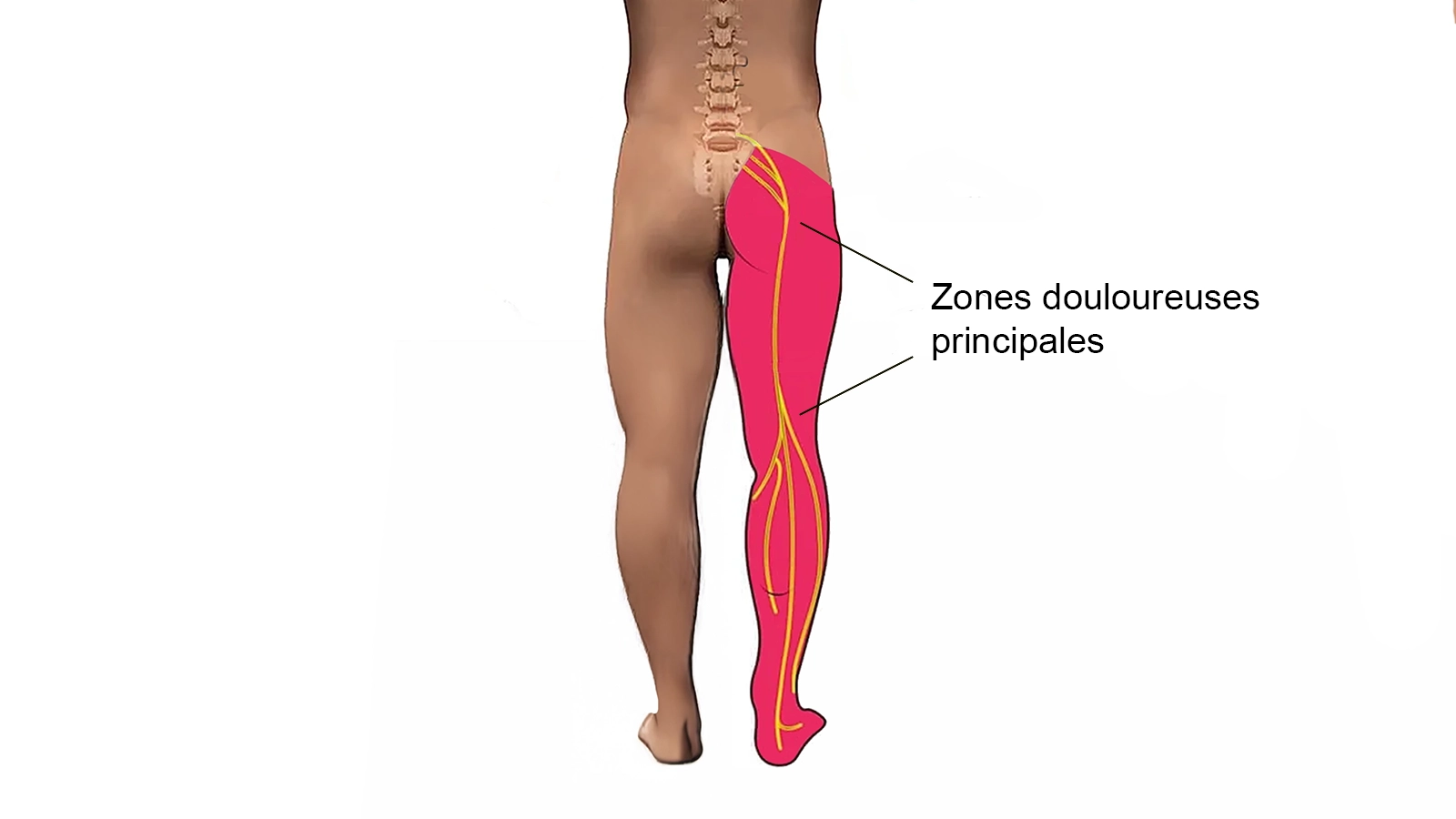
Cruralgia or sciatica: what's the difference?
Cruralgia and sciatica are two pains related to different nerves, often confused due to their lumbar origin. However, their paths, areas of manifestation, and associated sensations are not the same.
| Cruralgia (crural/femoral nerve) | Sciatica (sciatic nerve) | |
|---|---|---|
| Nerve-related | Lumbar roots, mainly L2 to L4 | Lumbar and sacral roots, mainly L4 to S3 |
| Anatomic pathway | From the lumbar spine to the’front of the thigh, up to the knee | From the lower back towards the butt, the back of the thigh, then the leg |
| Pain zone | Face Anterior thigh, sometimes the knee | Face thigh, leg, sometimes down to the foot |
| Muscles involved | Quadriceps, hip muscles | Thigh, leg, and foot muscles |
| Frequent sensations | Pain, tightness, discomfort in the front of the thigh | Pain radiating to the back, sometimes electric sensations |
Although cruralgia and sciatica have a common lumbar origin, they are mainly distinguished by the nerve involved and the area where the pain manifests.
Understanding this difference allows for a better interpretation of the symptoms experienced and avoids frequent confusion.
Symptoms of cruralgia
People affected by cruralgia often describe:
- a pain along the thigh
- A feeling of tension or release
- discomfort when walking or standing
- sometimes a decrease in ease of movement
Where is the pain of cruralgia located?
The pain of cruralgia is mainly located along the anterior aspect of the thigh, sometimes descending to the knee or even the foot. It may also radiate into the inguinal region or down the back, depending on the severity of the condition and the specific location of crural nerve compression or irritation.
In summary, cruralgia pain is generally concentrated along the crural nerve pathway, from the lumbar spine to the knee, and may extend in different directions depending on the severity and location of nerve compression.
Main symptoms
The symptoms of femoral nerve pain can vary from person to person depending on the severity of the irritation or compression of the femoral nerve. They can appear gradually or more suddenly, and can change depending on posture, physical activity, or daily mechanical stress.
Thigh pain: Pain is the most characteristic symptom of cruralgia. It is generally felt along the anterior part of the thigh, but can also radiate to the knee, and sometimes even to the foot. It can be described as throbbing, burning, electric, or sharp.
Tingling or numbness sensation: Some people experience tingling, numbness, or prickling sensations along the path of the femoral nerve, particularly in the thigh, knee, and in some cases, the foot.
Muscle weakness: In certain situations, cruralgia can be accompanied by a feeling of muscle weakness in the affected leg. Muscles innervated by the femoral nerve, such as the quadriceps, may seem less effective, which can complicate walking or stability.
Pain influenced by certain positions: Pain can be aggravated by certain positions or movements, such as prolonged sitting, bending the trunk forward, or during sudden efforts like coughing or sneezing.
Nighttime pain In some individuals, symptoms can intensify at night, disrupting sleep and leading to an increased feeling of fatigue.
The causes of cruralgia
Cruralgia occurs when the femoral nerve is irritated or compressed along a part of its path. This irritation can have several origins, often related to the lumbar spine, posture, or repeated mechanical stresses:
- herniated lumbar disc
- lumbar arthritis
- Postural problems
- muscle imbalances
- Repeated mechanical stress
Several mechanisms can be involved in the onset of cruralgia. They primarily concern the lumbar spine and the stresses exerted on the nerve structures during movement or certain positions.
Lumbar spine conditions: Among the most common causes are certain conditions affecting the lumbar spine. A lumbar disc herniation, osteoarthritis, or spinal stenosis can put pressure on the femoral nerve as it exits the spine.
Mechanical stress and repetitive movements: Repetitive movements, lifting heavy loads, or certain physical activities that put a strong strain on the lower back can accentuate the pressure on the femoral nerve, leading to its irritation.
Postural imbalances: An inappropriate posture, prolonged over time, can alter the distribution of stress on the spine and pelvis. These postural imbalances influence how the body absorbs forces during walking, standing, or sitting.
Prolonged or awkward positions: Prolonged sitting, especially on unsuitable surfaces, as well as certain trunk flexion positions, can increase compression of the femoral nerve and promote the onset or worsening of symptoms.
Treatments for huralgia
When cruralgia appears, different approaches can be considered depending on the situation, the intensity of the symptoms, and their evolution over time. The term Treatments This brings together all possible support avenues, whether medical, functional, or related to daily movement habits.
The goal is not to propose a one-size-fits-all solution, but to better understand what influences pain in order to adapt actions progressively and coherently.
Non-pharmacological and functional approaches
Some people are turning to approaches aimed at improving mobility, posture, and the management of mechanical stress.
Mobility and stretching workout Gentle stretching exercises can help restore mobility to strained areas, particularly the hips, thighs, and lower back. They are generally part of a progressive approach, adapted to each person's abilities and feelings.
Targeted muscle strengthening: Strengthening the core, pelvic, and leg muscles can contribute to better overall stability during everyday movements. This approach aims to support the body's natural functions without trying to constrain or force movement.
Disciplines focused on posture and movement: Practices like yoga or Pilates emphasize body awareness, alignment, and fluidity of movement. They can help some people better understand their posture and movement patterns.
Manual approaches: Techniques such as massage or manual support can be used to promote muscle relaxation and improve body awareness, especially in areas affected by mechanical tension.
Medical treatments
In some cases, medical advice may be necessary to support more sensitive or pronounced phases.
Medication treatments, when considered, always fall within a personalized medical framework and must be adapted to each individual situation.
They may include, as applicable:
- pain relievers,
- anti-inflammatories,
- treatments aimed at managing muscle tension.,
or, more rarely, infiltrations when the situation warrants it.
These approaches are part of a support strategy and do not replace a global reflection on posture, movement, and daily mechanical constraints.
Cruralgia doesn't just involve the nerve. It is often part of a person's overall body balance, where posture, mobility, and how weight is distributed play a crucial role. The foot forms the base of this chain. When weight distribution on the ground is unbalanced, certain areas of the body can be overused, which affects movement dynamics, all the way up to the lumbar and femoral regions.
It all starts with the foot.
In this context, some people choose to act on their movement base.
Insoles designed to improve the quality of foot support can help provide more even stress distribution during walking or daily activities. The goal is not to treat a pathology, but to support the body by offering a more stable base that is more aligned with its natural biomechanics.
Do you play a sport and have questions about your footwork?
Select your activity to discover New Equilibre insoles designed to support movement.
Acting on supports: the role of footings
When considering cruralgia, it's important to consider the body as a whole.
The foot is the first point of contact with the ground and plays a central role in how stresses are transmitted to the rest of the body during walking or everyday movements.
How do insoles affect the foundation of movement?
Influence on posture and overall alignment: The insoles are designed to support the foot in its natural position and promote a more balanced distribution of pressure. By acting at the base of the body, they can influence overall posture and how forces are distributed during movement.
Mechanical stress distribution: By improving the quality of ground support, insoles help to distribute stress more evenly across the feet, legs, and pelvis. This approach aims to limit localized overloads related to certain postural habits or repetitive movements.
Stability while walking A more stable base allows for smoother, better-controlled walking. The insoles support the foot's roll and contribute to better movement continuity, without trying to stiffen or restrict natural dynamics.
Ground Impact Management The materials used in the design of the insoles help to manage the impact when contacting the ground. This impact management is part of a logic of functional comfort, especially during daily activities involving walking or prolonged standing.
New Equilibre Insoles
The New Equilibre Insoles They are designed based on over 35 years of biomechanical foot analysis in orthopedic practices. They easily fit into everyday or sports shoes and aim to support movement while respecting the natural anatomy of the foot.
«It all starts with the foot.»
New Balance, a new impetus.
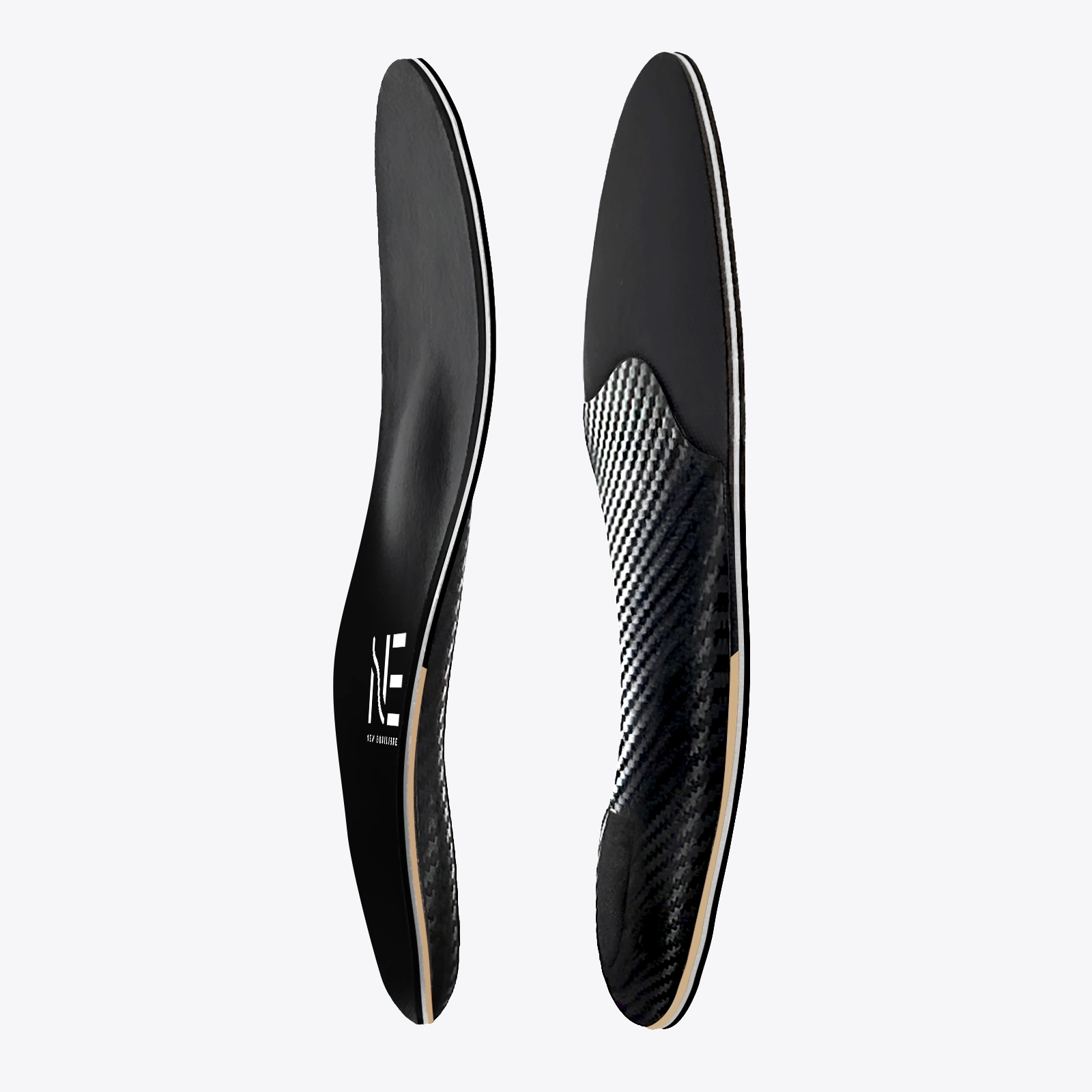
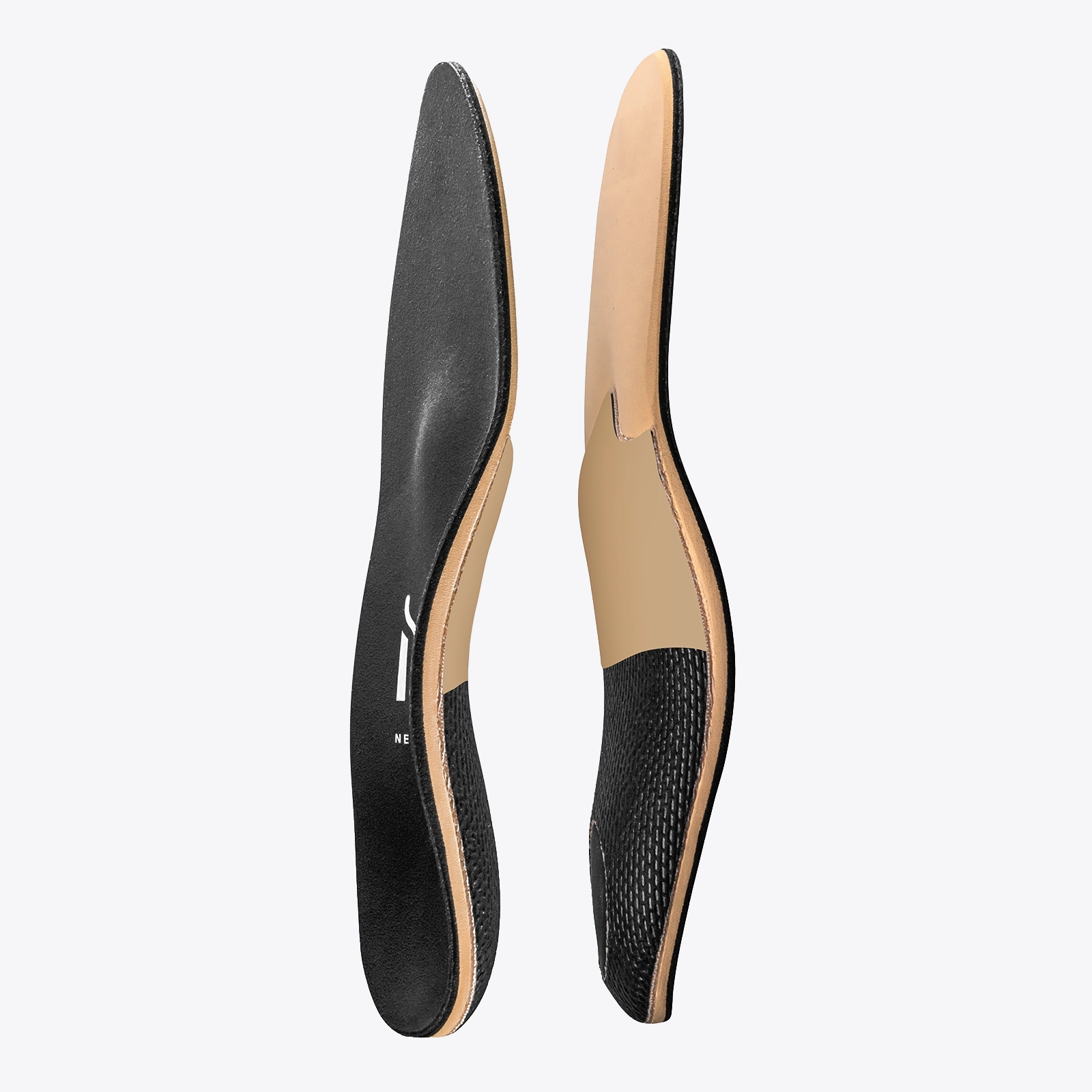
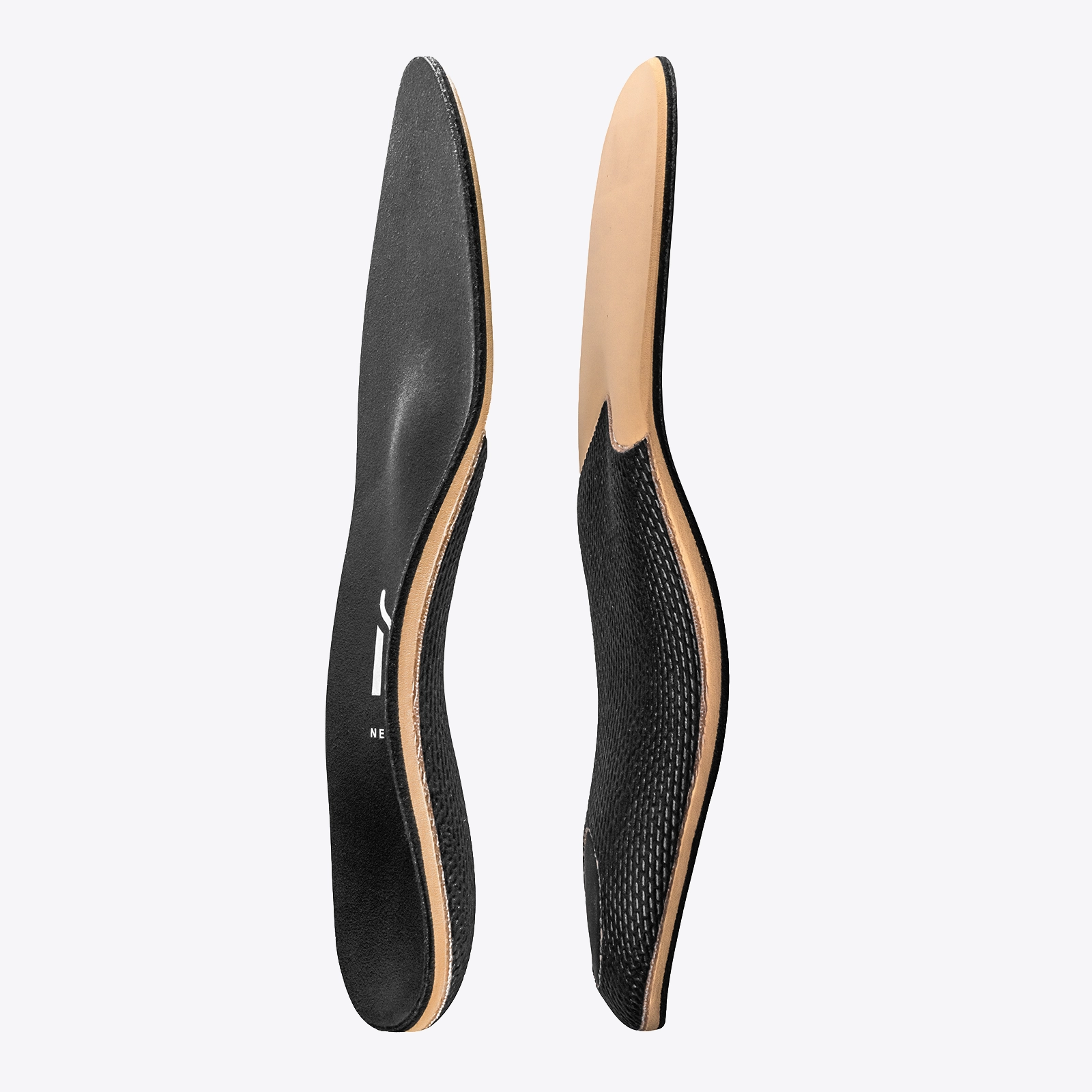
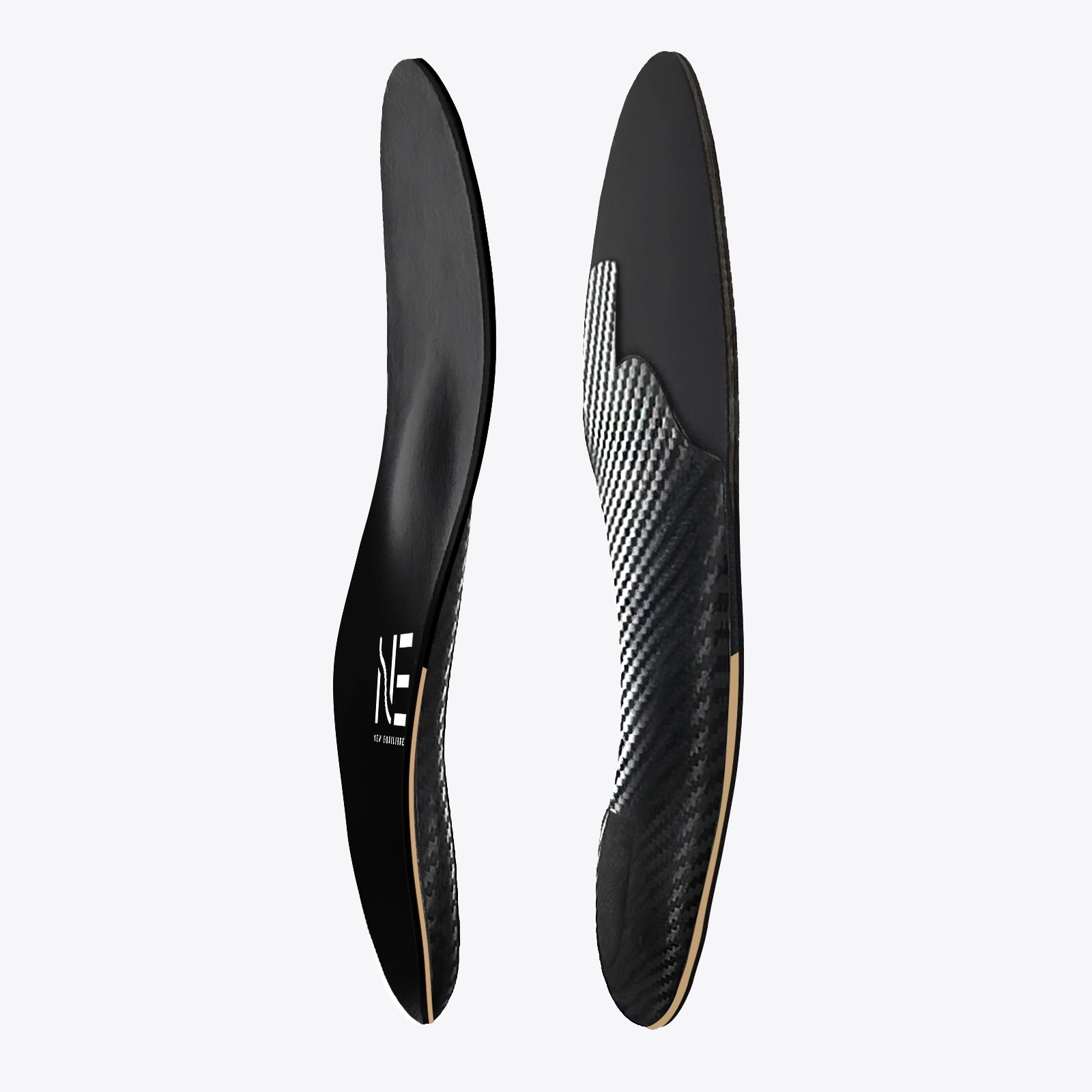
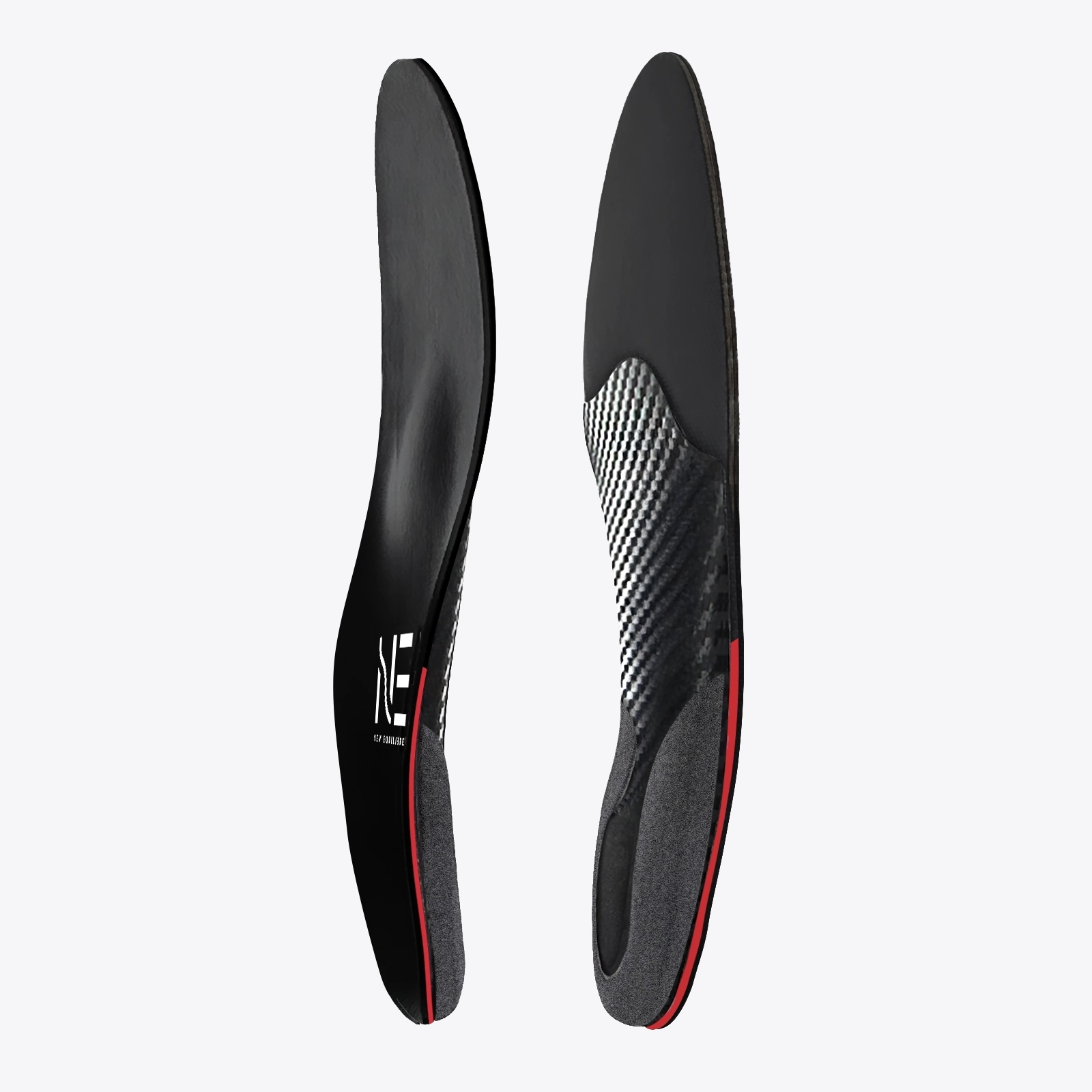
These insoles address podiatric concerns while taking into account the specific supports for tennis. I've been experiencing pain with every stride on the court for 2 years. The pain is receding, the insoles are effective, I'm amazed! Thank you New Équilibre"
Strongly suggested"
FAQ - Frequently Asked Questions about Cruralgia:
Is it okay to walk with cruralgia?
- Improved blood circulation: Regular walking can promote blood circulation in the legs, which can help reduce inflammation and relieve pain associated with cruralgia.
- Healing stimulation: Light activity, such as walking, can stimulate healing by encouraging blood flow to the affected area, which can promote recovery of damaged tissue.
- Mobility maintenance: Walking can help maintain joint and muscle mobility, which can prevent the stiffness and muscle atrophy associated with prolonged inactivity.
- Muscle strengthening: Regular walking can help strengthen leg and hip muscles, which can improve stability and reduce the risk of future injury.
- Pain: If walking aggravates pain or causes excessive discomfort, it's best to limit physical activity and rest until the pain subsides.
- Limitations: Some people may experience increased pain when walking on hard or uneven surfaces. In this case, it may be helpful to walk on softer, flatter surfaces, such as grass or carpet.
- Medical consultation: Before starting an exercise program, it's advisable to consult a healthcare professional for personalized advice based on symptom severity and general health.
What sports can I do with cruralgia?
When suffering from cruralgia, it's essential to choose physical activities that don't exacerbate symptoms and that help strengthen muscles, improve flexibility and promote blood circulation without putting excessive pressure on the crural nerve. Here are some examples of sports and exercises that can benefit cruralgia sufferers:
Swimming: Swimming is a low-impact activity that strengthens muscles throughout the body without putting pressure on joints. The fluid movements in the water can help improve flexibility and relieve the pain associated with cruralgia.
Cycling: Cycling on a stationary or adapted bicycle can be a good option for cruralgia sufferers, as it provides cardiovascular exercise without excessive impact on the joints.
Yoga: Yoga can help strengthen muscles, improve flexibility and promote relaxation. Yoga poses that focus on stretching the muscles of the hip, thigh and lower back can be particularly beneficial for cruralgia sufferers.
Pilates: Pilates is a form of exercise that focuses on strengthening the deep muscles of the core, hips and legs while improving stability and posture. Pilates exercises can help relieve the pain associated with cruralgia by strengthening the muscles that support the spine.
Nordic walking: Nordic walking involves the use of special walking poles that help strengthen the arms and stabilize the body while walking. This activity can benefit cruralgia sufferers by providing cardiovascular exercise while relieving pressure on the joints.
It's important to choose activities that suit your fitness level and don't cause excessive pain or discomfort.
How long does cruralgia last?
The duration of cruralgia can vary considerably from person to person, depending on a number of factors, including the underlying cause, severity of symptoms, treatments received and individual response to treatment. In general, cruralgia can be classified into two categories in terms of duration:
Acute cruralgia: Acute cruralgia is a short-term form of cruralgia that usually lasts a few weeks to a few months. It is often caused by temporary irritation or compression of the crural nerve, e.g. due to sudden movement, trauma or transient inflammation. Most cases of acute cruralgia respond well to rest, medical treatment and physiotherapy, and symptoms may disappear once the underlying cause is treated.
Chronic cruralgia: Chronic cruralgia is a form of cruralgia that persists for several months or even years. It may be caused by underlying health problems such as herniated discs, nerve damage or degenerative diseases of the spine. Chronic cruralgia can be more difficult to treat and may require long-term pain management, including medication, physical therapy, injections and possibly surgery.
It's important to note that each case of cruralgia is unique, and the duration of the condition can be influenced by individual factors such as age, lifestyle, general health and the presence of pre-existing medical conditions.
What sleeping position for cruralgia?
- Position on the back with a pillow under the knees: This position can help keep the spine in a neutral position and reduce pressure on the crural nerve. Place a pillow under the knees to support the legs and reduce tension in the lumbar region.
- Side position with knees slightly bent: If you prefer to sleep on your side, try placing a pillow between the knees to keep the spine aligned and reduce pressure on the crural nerve. Keep your knees slightly bent to avoid compressing the nerve.
- Avoid sleeping on your stomach: The stomach sleeping position can put excessive pressure on the spine and aggravate cruralgia pain. It's best to avoid this position if you suffer from cruralgia.
- Use pillows to support the back: If you're struggling to find a comfortable position, you can use extra pillows to support the lower back and reduce pressure on the spine. Try out different pillow configurations until you find what works best for you.
- Try alternative sleeping positions: Some people find relief by using alternative sleeping positions such as the semi-fetal position, where the legs are slightly bent upwards and towards the chest. Experiment with different positions until you find the one that suits you best.
Movements to avoid with cruralgia
When suffering from cruralgia, certain movements can aggravate the pain by exerting extra pressure on the crural nerve or compressing the spine. Here are some movements to avoid if you have cruralgia:
Excessive forward bending: Movements that involve excessive forward bending of the trunk, such as bending over to pick up a heavy object or touching your toes, can compress the spine and aggravate cruralgia pain.
Lifting heavy objects: Lifting heavy objects by positioning the weight on the lower back instead of the legs can put excessive pressure on the spine and increase compression of the crural nerve.
Twisting the spine: Movements that involve excessive twisting of the spine, such as turning the upper body while keeping the hips fixed, can aggravate cruralgia pain by exacerbating crural nerve compression.
Wearing high heels: Wearing high heels can alter posture and body weight distribution, which can put extra pressure on the spine and aggravate cruralgia pain.
High-impact activities: High-impact activities such as running, jumping or contact sports can aggravate cruralgia pain by increasing pressure on the spine and crural nerve.
Prolonged sitting: Sitting for long periods can put excessive pressure on the spine and aggravate cruralgia pain. It's important to take frequent breaks to stand up, stretch and change position.
Sudden movements: Sudden movements such as sudden body twists, unexpected lifting movements or falls can cause cruralgia pain to worsen by compressing the crural nerve or irritating surrounding structures.
By avoiding these movements and adopting proper lifting techniques, you can reduce pressure on the spine and crural nerve, which can help relieve pain and prevent exacerbations of cruralgia.
Article written by
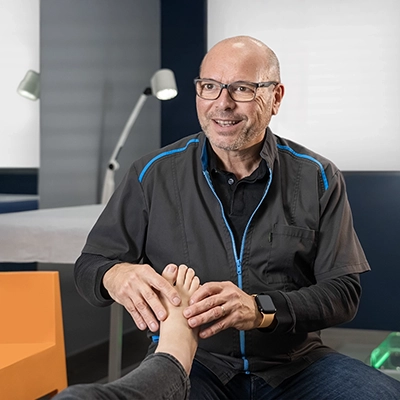
Gérard Forlini
Orthopedist –
Over 35 years of experience in foot care (since 1988)
Over 5,000 patients supported each year in the practice.
In collaboration with Maxime Forlini – Founder of New Equilibre, specializing in the design of insoles and foot support analysis