Metatarsalgias
the complete guide
The Metatarsalgia designates a Pain from the’forefoot located under the metatarsal heads. This common pathology generally results from a surcharge or of a poor distribution charges on the’plantar support, causing inflammation of the underlying structures. It can be aggravated by wearinginadequate shoes, a deformation (like a Hallux valgusor biomechanical problems associated with osteoarthritis or Morton's neuroma.
People with metatarsalgia often feel a discomfort, one Pain when walking, or even a burning sensation under the toes. The appearance of tissue thickening or unevenly distributed pressure points is also common.
Understanding the underlying mechanisms allows for adapting habits, footwear, and foot placement to limit the stress on sensitive areas of the foot.
What is metatarsalgia?
Metatarsalgia is a foot condition characterized by pain in the front of the foot, specifically under the metatarsal heads, where the toes meet the sole of the foot. It occurs when this area is subjected to excessive pressure, leading to inflammation of the tissues, sometimes accompanied by tissue thickening.
This condition, often linked to poor weight distribution, unbalanced foot pressure, or deformities like bunions, can become very bothersome when walking. Although common, especially in active individuals or those wearing narrow shoes, metatarsalgia can be effectively relieved with targeted solutions.
The different types of metatarsalgia
Static metatarsalgia Static metatarsalgia occurs when the distribution of weight on the metatarsals is disturbed due to muscular imbalance, poor posture or anatomical abnormality. This type of metatarsalgia can result from excessive pressure on the metatarsals due to arch collapse, excessive pronation of the foot or toe misalignment. Symptoms may include pain or discomfort in the forefoot, exacerbated by walking or running.
Traumatic metatarsalgia Traumatic metatarsalgia occurs as a result of direct or repeated trauma to the metatarsal region. This can include injuries such as stress fractures, contusions or sprains of the metatarsals, resulting in inflammation and local pain. High-impact activities, such as running on hard surfaces or jumping, as well as wearing unsuitable footwear, can contribute to this type of metatarsalgia.
Dystrophic metatarsalgia: Dystrophic metatarsalgia is associated with structural changes in the soft tissue and bone in the metatarsal region. These may include painful calluses, bony deformities such as bunions (hallux valgus), or inflammatory conditions such as osteoarthritis. These changes can lead to increased pressure on the metatarsals, causing pain and discomfort.
Neuropathic metatarsalgia Neurological metatarsalgia is caused by irritation or damage to the nerves that innervate the metatarsal region. This can result from conditions such as Morton's neuroma, an inflammation of the interdigital plantar nerve that causes stabbing or burning pain between the toes. Symptoms may include pain, numbness, tingling or burning in the affected area.
Symptoms of metatarsalgia
Metatarsalgia in the foot can manifest with different signs:
- forefoot pain
- touch or pressure sensitivity
- Feeling of discomfort
- localized swelling
- Discomfort when walking or running
The symptoms of metatarsalgia can vary from person to person, but they generally include:
- Pain in the metatarsals: Metatarsalgia is characterized by localized pain in the metatarsal bones, often felt as a burning, tingling, pressure or stabbing pain.
- Increased pain when walking or running: Pain may intensify during activities that place heavy demands on the feet, such as walking, running or prolonged standing.
- Sensation of discomfort: People with metatarsalgia may experience discomfort in the metatarsals, even at rest.
- Pain exacerbated at the end of the day: Pain may worsen over the course of the day, particularly after physical activity or a period of excessive use of the feet.
- Difficulty wearing shoes: Some people find it difficult to wear tight shoes or heels, as this can increase pressure on the metatarsals and aggravate the pain.
- Appearance of redness or swelling: In the most severe cases, redness, swelling or tenderness may appear on the metatarsals.
The causes of metatarsalgia
Metatarsalgia is most often linked to poor weight distribution on the forefoot's weight-bearing area. Among the factors frequently involved:
- Forefoot drop
- Excessive or uneven pressure on the forefoot
- Overweight surcharge
- Stress fracture
Metatarsalgia can be caused by several factors, including:
Overuse of feet: Intense physical activity or excessive stress on the feet can lead to overuse of the metatarsal muscles and joints, resulting in inflammation and pain.
Poor arch support: Muscle imbalance or arch collapse can lead to uneven weight distribution on the feet, increasing pressure on the metatarsals and causing pain.
Unsuitable footwear: Wearing shoes that don't properly support the arch of the foot, that are too narrow or too flat, or that exert excessive pressure on the metatarsals, can contribute to the development of metatarsalgia.
Anatomical anomalies : Some people may have anatomical abnormalities of the foot, such as a flat foot, hammertoes, or a deformity of the metatarsal bones, which can increase the risk of developing metatarsalgia.
Traumatic injuries : Traumatic injuries, such as stress fractures, sprains or contusions of the metatarsals, can lead to inflammation and persistent pain.
Overweight : Excess weight can increase pressure on the feet and metatarsals, which can increase the risk of developing metatarsalgia.
It's important to note that metatarsalgia can result from a combination of several of these factors, and can be aggravated by activities that place stress on the feet, such as walking, running, or wearing unsuitable footwear.
What treatments are there for metatarsalgia?
When metatarsalgia is identified, some people seek to adapt their shoes to better manage the stress on the forefoot in their daily lives.
In this context, it is common to turn to insoles designed to:
- optimize the distribution of pressure under the forefoot
- limit excessive pressure areas when walking
- offer increased stability and comfort, especially during prolonged activities
Metatarsalgia doesn't just affect an isolated area of the forefoot. It is often part of the foot's overall balance, where posture, mobility, and how weight is distributed play a crucial role. The foot forms the base of this chain. When weight-bearing on the ground is unbalanced or excessively stressed, certain areas of the forefoot can experience repeated pressure, particularly at the metatarsal heads, leading to discomfort during walking or prolonged standing. These mechanical stresses influence the dynamics of gait and everyday movements, potentially maintaining or worsening the sensations of discomfort associated with metatarsalgia.
It all starts with the foot.
In this context, some people choose to act on their base of support.
Insoles designed to improve foot support can help distribute pressure more harmoniously under the foot, particularly in sensitive areas such as the heel or the forefoot.
Optimizing support by offering a more stable base that is more consistent with the natural biomechanics of the foot helps to limit areas of high pressure that can lead to discomfort in the forefoot.
How insoles optimize foot support
Influence on foot pressure distribution: The insoles are designed to support the foot in its functional position and promote a more balanced distribution of pressure, particularly in the forefoot. By acting at the base of the movement, they can help limit areas of excessive pressure under the metatarsal heads, which are frequently stressed in cases of metatarsalgia.
Mechanical stress distribution: By improving contact with the ground, insoles contribute to a more even distribution of mechanical stress under the forefoot. This approach aims to reduce repeated strain on certain sensitive areas, which are often involved during walking, prolonged standing, or repeated movements.
Stability during walking and support: A more stable base of support promotes smoother, better-controlled walking, especially during the forefoot support and propulsion phases. The soles follow the natural roll of the foot and contribute to a continuity of movement, without stiffening or constraining each individual's biomechanical dynamics.
Ground impact management: The materials used in the design of the insoles help to absorb the impacts associated with ground contact, particularly during repeated phases of forefoot loading. This impact management is part of a logic of functional comfort, especially during activities involving prolonged walking or frequent standing.
New Equilibre Insoles
The New Equilibre Insoles They are designed based on over 35 years of biomechanical foot analysis in orthopedic practices. They easily fit into everyday or sports shoes and aim to support movement while respecting the natural anatomy of the foot.
«It all starts with the foot.»
New Balance, a new impetus.
Do you play a sport and have questions about your footwork?
Select your activity to discover New Equilibre insoles designed to support movement.
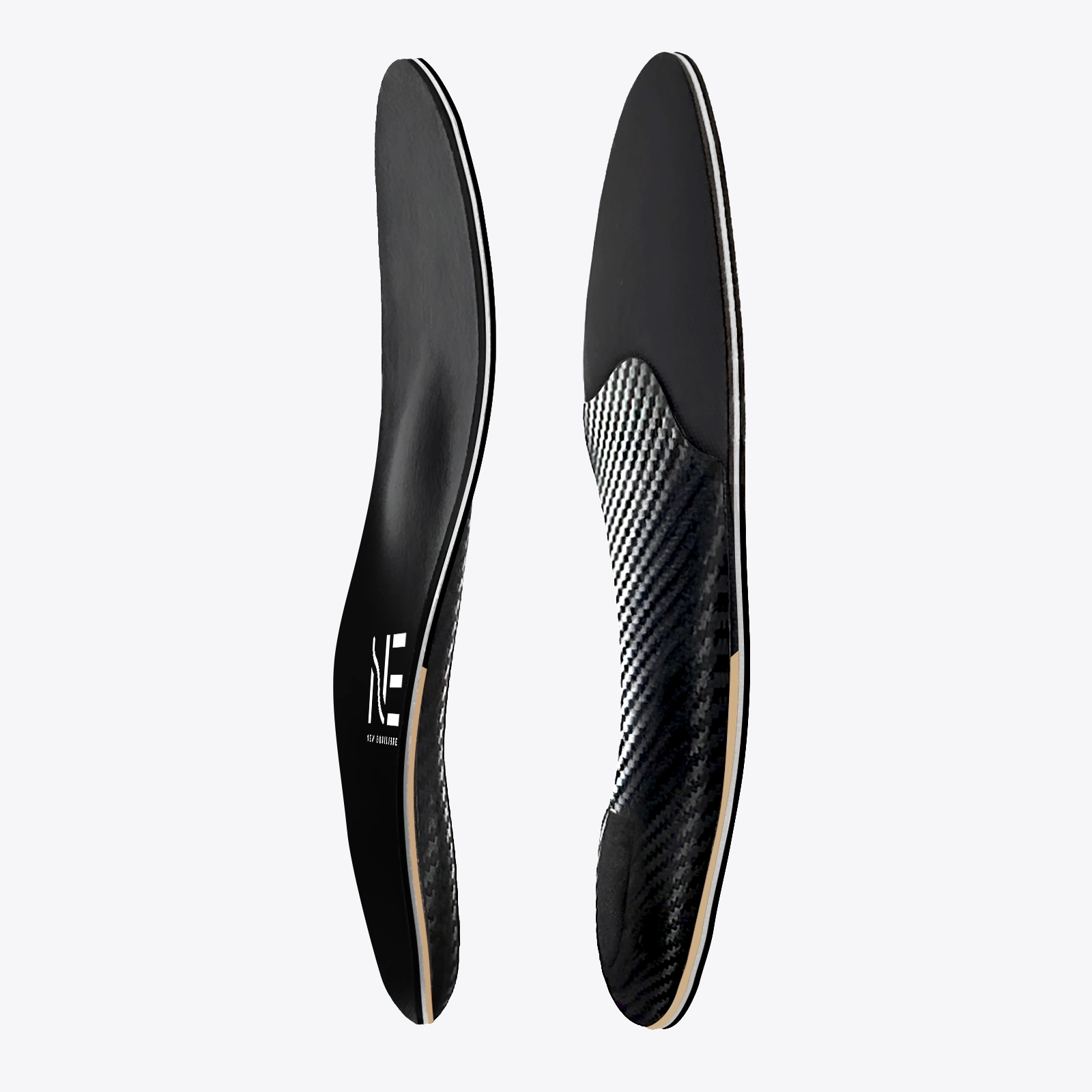
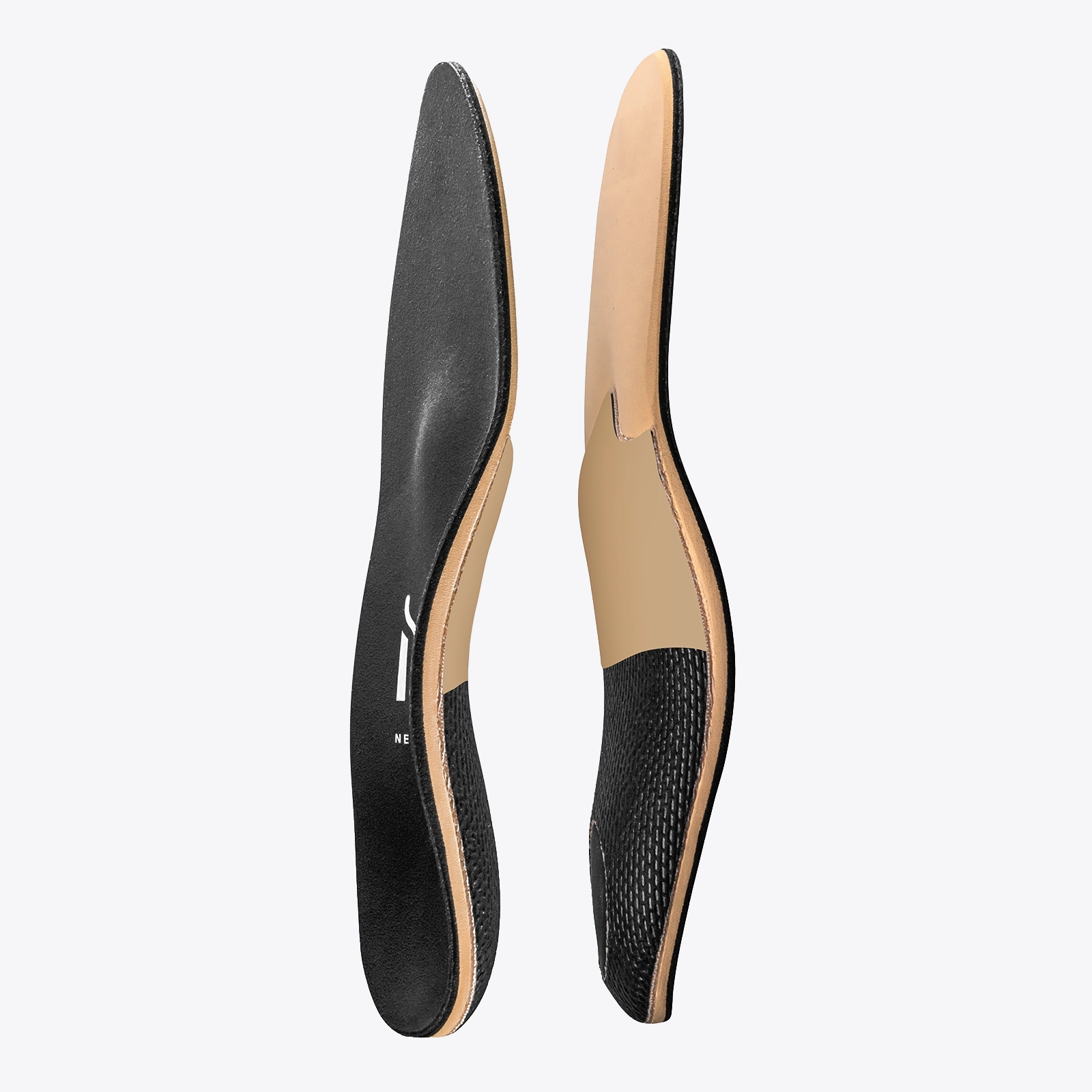
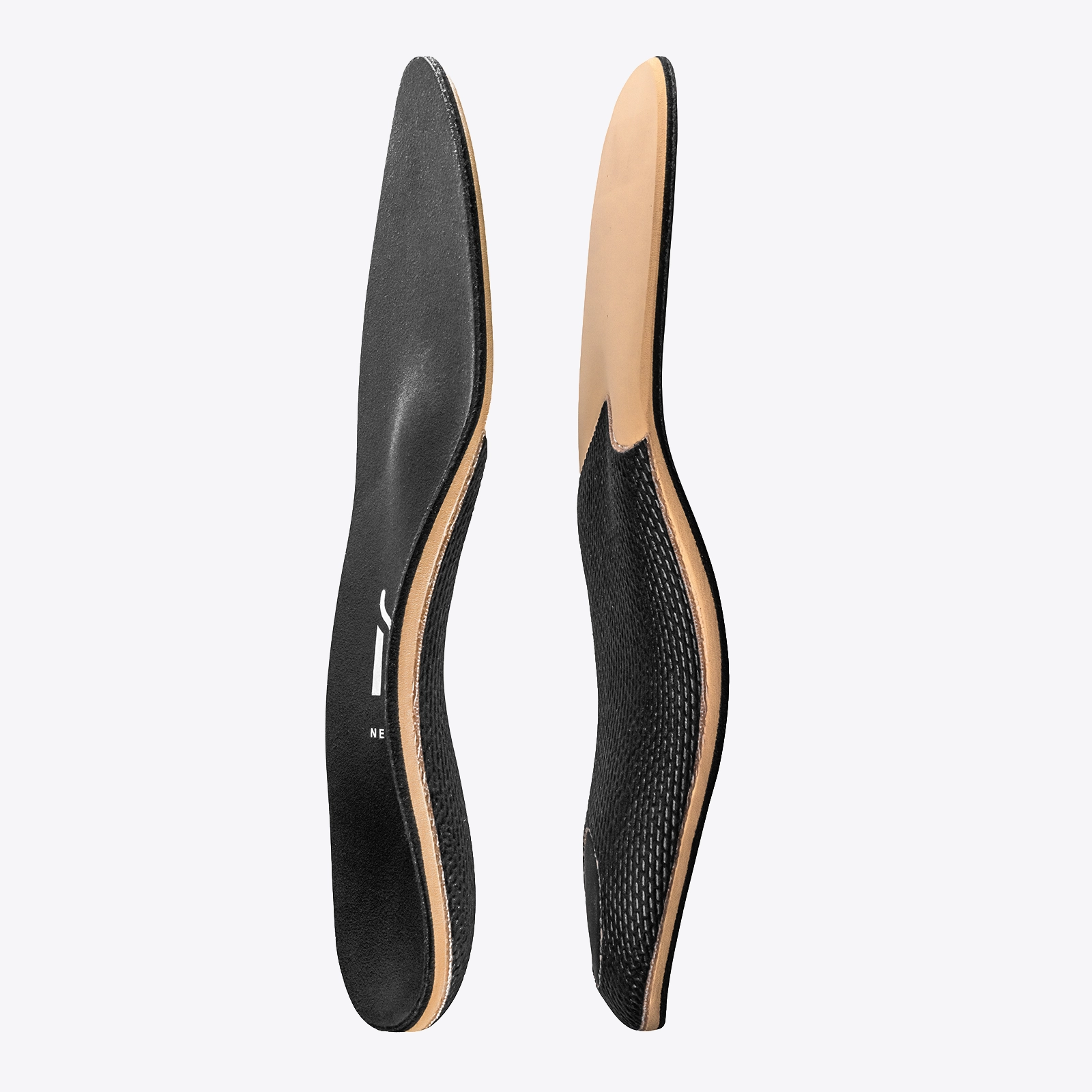
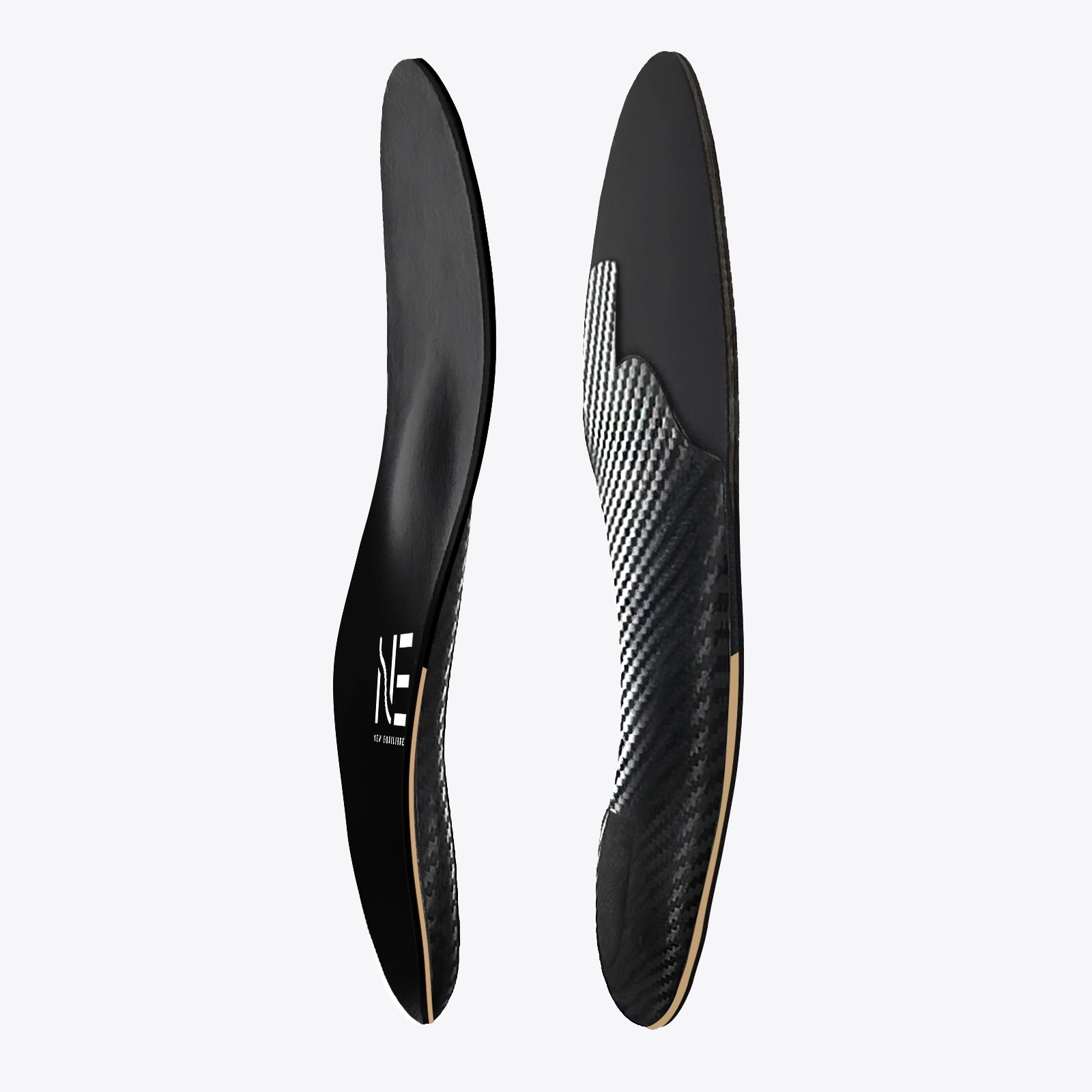
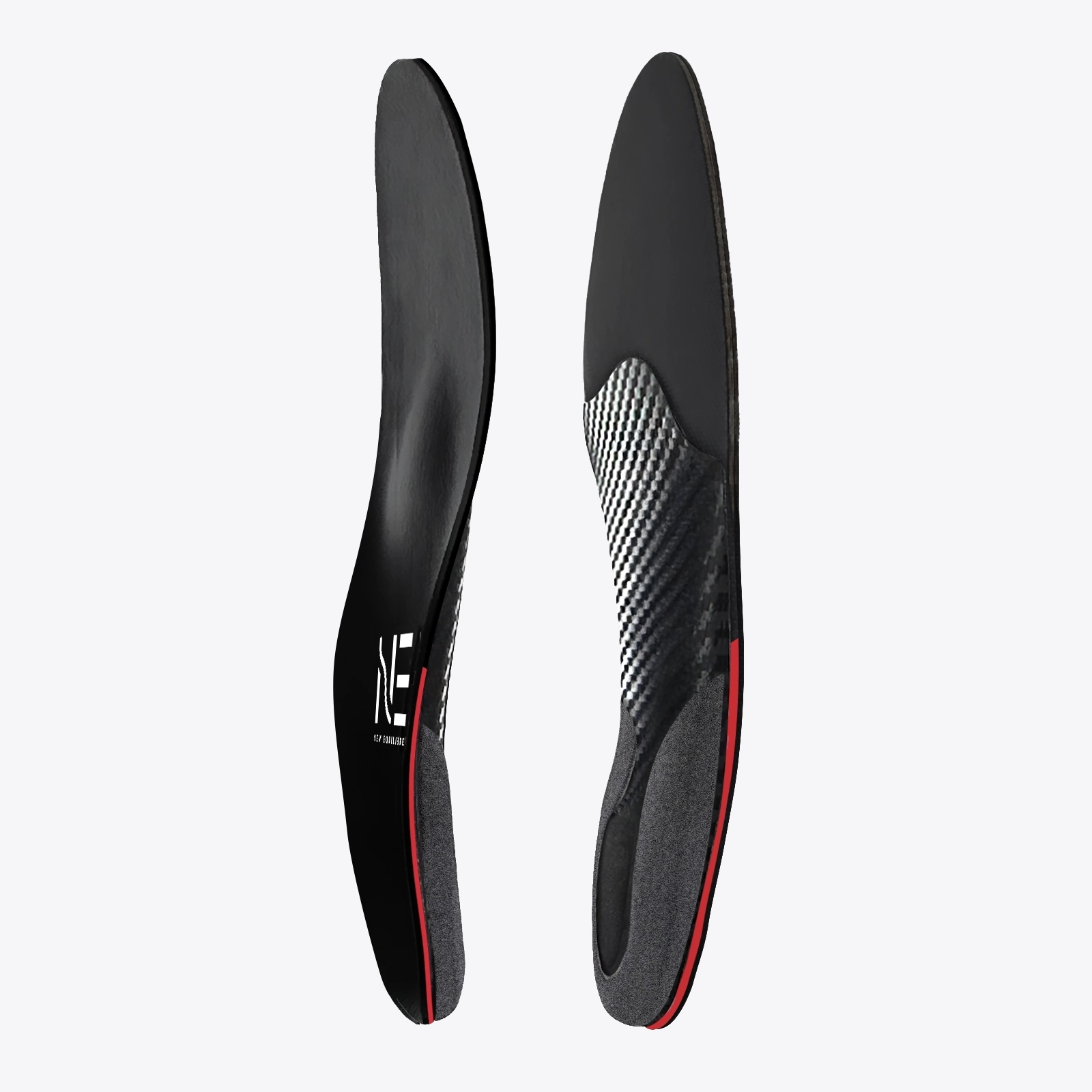
These insoles address podiatric concerns while taking into account the specific supports for tennis. I've been experiencing pain with every stride on the court for 2 years. The pain is receding, the insoles are effective, I'm amazed! Thank you New Équilibre"
Strongly suggested"
FAQ - Frequently Asked Questions about Metatarsalgia:
How to treat metatarsalgia naturally?
There are several natural methods that can help relieve metatarsalgia and improve foot comfort. Here are a few tips for treating metatarsalgia naturally:
- Resting and elevating the foot: Give your feet adequate rest by avoiding activities that place excessive stress on the metatarsals. Elevate your feet regularly to reduce inflammation and promote blood circulation.
- Ice application : Apply ice to the painful area for 15 to 20 minutes, several times a day. This can help reduce inflammation and relieve pain.
- Stretching exercises : Practice specific stretching exercises to strengthen the foot muscles and improve the flexibility of the metatarsal joints. Exercises such as lifting the toes, rolling a ball under the foot or stretching the calf muscles can be beneficial.
- Wearing suitable footwear: Choose comfortable shoes that offer good arch support and sufficient room for the toes. Avoid shoes with high heels or pointed toes, which exert excessive pressure on the metatarsals.
- Maintaining a healthy weight: Maintaining a healthy weight can reduce pressure on the feet and metatarsals, which can help relieve metatarsalgia.
- Foot massage : Perform regular foot self-massages to relax muscles, improve blood circulation and relieve tension in the metatarsal area.
It's important to note that these natural methods can be effective in relieving the pain associated with metatarsalgia, but they don't necessarily treat the underlying cause of the condition. Orthopedic insoles remain the best treatment for long-term relief of metatarsalgia, and to prevent the pain from recurring.

Article written by
Gérard Forlini
Orthopedist –
Over 35 years of experience in foot care (since 1988)
Over 5,000 patients supported each year in the practice.
In collaboration with Maxime Forlini – Founder of New Equilibre, specializing in the design of insoles and foot support analysis