
Patellofemoral pain syndrome
Patellofemoral pain syndrome
the complete guide
- Published on
- By New Equilibre
SUMMARY :
- What is patellofemoral pain syndrome?
- Knee anatomy reminder
- Symptoms of patellofemoral pain syndrome
- Causes of patellofemoral pain syndrome
- How to diagnose patellofemoral pain syndrome?
- How to relieve or manage patellofemoral pain syndrome?
- The role of biomechanics in the prevention of patellofemoral pain syndrome
- Can you continue exercising with patellofemoral pain syndrome?
- Prevention: how to prevent recurrence?
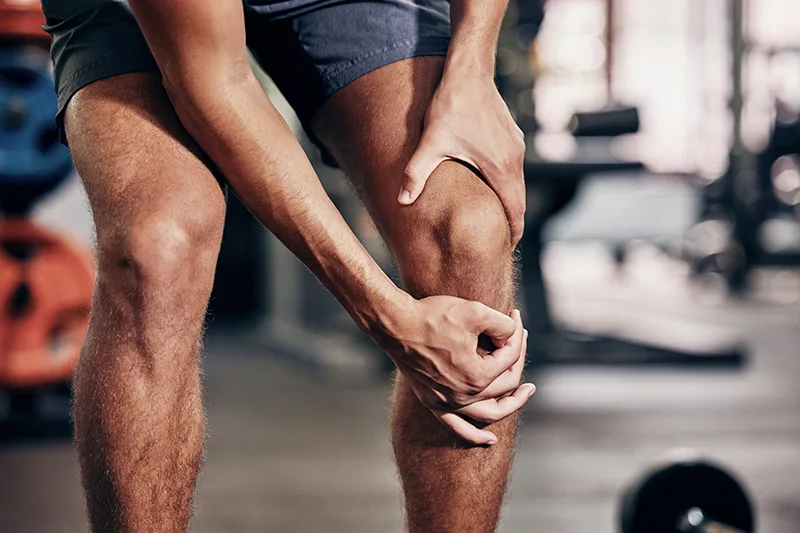
Patellar syndrome, also known as patellofemoral pain syndrome, is one of the most common knee pains, affecting both athletes and people with sustained daily activity. It manifests primarily as pain localized around or behind the kneecap, felt during walking, going up or down stairs, sports activity, or even prolonged sitting.
Multifactorial, this condition generally results from a biomechanical imbalance, abnormal friction between the kneecap and the femur, or overuse of the joint.
This comprehensive guide aims to clarify the causes, symptoms, aggravating factors, and existing solutions — in order to help everyone better understand this disorder and adopt the right daily habits.
What is patellofemoral pain syndrome?
Knee anatomy reminder
The knee joint relies on three key elements:
- The femur, thigh bone
- The patella, which acts as a lever during extension
- The quadriceps muscles, essential for stabilizing the patellar trajectory
When one of these components malfunctions, the kneecap can be pulled outward, experience abnormal friction, or compress certain tissues. This is the primary mechanism of patellofemoral pain syndrome.
Symptoms of patellofemoral pain syndrome
Pain is the major symptom, but it manifests in different forms.
The people concerned often describe:
- A dull pain in the front of the knee
- A sensation of friction, tightness, or discomfort
- Pain during weight-bearing activities: running, jumping, brisk walking
- Discomfort when sitting for a prolonged period
- Sometimes a feeling of instability or painless clicking
Pain can be intermittent or permanent depending on the severity and the stresses applied to the knee.
It occurs mainly:
- When going up and down stairs
- In running, especially downhill
- Upon resuming overly intense sports activity
- During long car trips
- When you stay crouched or with your knees bent for too long
Causes of patellofemoral pain syndrome?
Patellofemoral pain syndrome does not have a single cause; rather, it results from a combination of biomechanical and environmental factors.
Muscle imbalances
An insufficiently toned or unbalanced quadriceps can pull the kneecap outward. The weakening of the vastus medialis, for example, disrupts the trajectory of the kneecap.
Patellofemoral hyperpressure
Excessive compression between the kneecap and the femur can cause cartilage irritation, particularly during repetitive activities or sudden movements.
Lower limb misalignment
Certain biomechanical factors increase the risk:
- Feet pronators
- Knees in valgus
- Leg length discrepancy
- Poor dynamic posture during running or walking
- These imbalances alter the axis of the patella, which increases friction.
Overwork and intensive sports activities
Sports involving jumping, running, or changes of direction (soccer, running, tennis, basketball) are particularly demanding on the patellofemoral joint.
Inappropriate shoes or insufficient cushioning
Poor plantar support can misalign the biomechanical chain, leading to overuse of the knee.
How to diagnose patellofemoral pain syndrome?
Although common, patellofemoral pain syndrome requires a clinical examination performed by a healthcare professional. The latter observes:
- The location of the pain
- The alignment of the lower limb
- Muscle flexibility
- Patellar mobility
- The quality of movement when walking or running
- Imaging examinations are generally not essential except in cases of suspected other pathology.
How to relieve or manage patellofemoral pain syndrome?
Non-medical approaches (general measures)
Certain actions can reduce stress on the kneecap:
- Adapt sports practice
- Avoid surfaces that are too hard
- Reduce training volume
- Vary activities to limit excessive movement repetition
Strength training
Progressive strengthening of the quadriceps and gluteal muscles is often recommended by professionals to help stabilize the joint. Strengthening improves patellar alignment and reduces overload.
Mobility and stretching
Tailored stretches of the quadriceps, hamstrings, and tensor fasciae latae can promote better muscular balance.
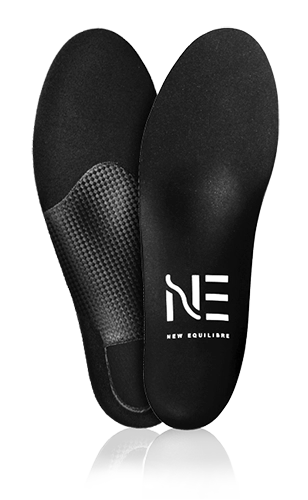
Gait correction: Orthotic insoles
When foot support is involved (pronation, valgus, poor dynamic posture), appropriate correction can help reduce stress on the kneecap.
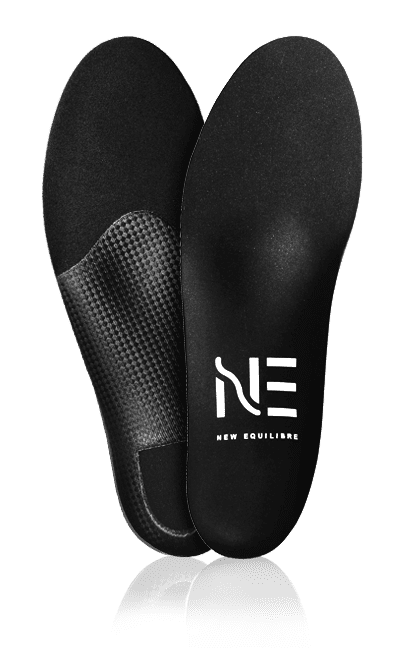
The orthopedic insoles come into play to provide better cushioning, more stable footing, or foot balancing that contributes to a more harmonious distribution of loads on the knee.
The role of biomechanics in the prevention of patellofemoral pain syndrome
The knee is directly influenced by the positioning of the foot, the hip, and the pelvis. A change or imbalance at a single level can cause an overload on the patellofemoral joint.
Why are supports important?
An unstable support leads to:
- Excessive rotation of the tibia
- An increase in tension on the kneecap
- An alteration of the natural gliding movement
In daily life as in sports, proper alignment of the lower kinetic chain helps prevent the onset or recurrence of patellofemoral pain syndrome.
The role of biomechanics in the prevention of patellofemoral pain syndrome
Activities generally well tolerated
- Moderate walking
- Low-resistance bicycle
- Swimming (except breaststroke, which is sometimes irritating)
- Gentle muscle strengthening
Activities to potentially avoid
- Downhill race
- Repeated jumps
- Sports with sudden changes of direction
- Deep squats
This is not about strict prohibitions: the goal is to listen to one's feelings and gradually adjust the intensity.
Can you continue exercising with patellofemoral pain syndrome?
In most cases, the answer is yes, provided you adjust the loads and allow for an adjustment period. The important thing is to avoid excessive pain and encourage slow but steady progress, accompanied by appropriate muscle work and daily movements.
Prevention: how to prevent recurrence?
Patellofemoral pain syndrome tends to recur when the causes are not treated.
Here are the main prevention levers:
Regular strengthening of the quadriceps
A tonic muscle promotes better patellar alignment.
Posture and support correction
Consistent positioning from the foot to the hip reduces unwanted tension.
Sports progression
Gradually increasing the loads limits joint irritation.
Patellar syndrome is a common and often benign condition, but it can become disabling when it prevents physical activity or even certain daily tasks. Understanding its causes, identifying the signs, and adopting good habits help reduce symptoms and limit recurrences. The goal is to improve the stability, alignment, and mobility of the knee to restore smooth, comfortable, and lasting movement.
Article written by
Forlini Orthopedics
Orthotic insole manufacturing specialist
- Over 35 years of experience in foot care (since 1988)
- More than 5,000 patients supported each year in practice.
- At the origin of the development of New Equilibre insoles