Talalgia
the complete guide
The Heel pain represents the Pain located at the talon, This brings together several pathologies localized in the hindfoot. These pains can make walking and weight-bearing on the foot uncomfortable. Talalgia therefore represents several bothersome pathologies in daily life, so it is important to understand its origin.
Understanding the origin of heel pain helps to better grasp its functioning and adopt appropriate solutions, with a focus on respecting the body and movement.
What is talalgia?
Talalgia is a medical term used to describe pain in the heel. This pain can be caused by various pathologies such as plantar fasciitis, achilles tendonitis, heel spur, injury or other pathologies affecting this region of the foot. Talalgia can be chronic or acute, and can be treated in different ways, depending on the underlying cause.
Talalgia can occur in different areas of the heel:
- At the back of the heel,
- Under the heel,
- Around the heel.
As mentioned above, this is usually pain caused by injury or inflammation.
Symptoms of heel pain
People experiencing heel pain often describe:
- Heel Pain
- Morning Pain
- Difficulty Walking
Heel pain primarily manifests as localized pain in the heel area, which can be felt under the foot or at the back of the heel depending on the situation. The intensity and precise location of the pain can vary from person to person.
Heel pain The pain is usually felt directly in the heel, sometimes diffusely under the foot. It can appear when bearing weight, when walking, or after prolonged exertion.
Marked pain after a period of rest: Many people describe more intense pain upon waking or after a period of inactivity. The first steps can be particularly uncomfortable before the discomfort gradually subsides with movement.
Difficulty walking Heel pain can lead to difficulty walking, especially when resuming weight-bearing after a period of rest or after prolonged standing. This discomfort can impact daily mobility.
The causes of heel pain
In addition to injuries and accidents, talalgia can be caused by a number of other conditions:
- Plantar Fasciitis : This pathology is a frequent cause of talalgia. It occurs when the band of tissue known as plantar fascia, which connects the heel to the toes, undergoes excessive tension or repetitive microtrauma. This leads to inflammation and pain in the heel.
- Achilles tendonitis : This is an inflammation of the Achilles tendon, which connects the calf muscles to the heel. It can also cause heel pain.
- Calcanean spur :Bone growth in the heel, which takes the form of a thorn under the heel bone. In the vast majority of cases, this bone spur is actually painless, but it causes muscle inflammation, which can be very painful and disabling on a daily basis.
- Retrocalcaneal bursitis : Also known as heel bursitis, this is an inflammation of the bursae around the heel. Pain is therefore localized around the heel.
- Plantar aponeurosis : This is inflammation of the aponeurosis muscle, a connective tissue located under the foot at the arch of the foot.
Heel pain can also be a symptom of a calcaneus fracture. Sometimes, it's referred to as a stress fracture when it's related to prolonged, intense, and unusual physical activity. In this case, the pain is extremely severe as soon as the person puts their foot on the ground. This stress fracture very often appears in runners during a series of running sessions.
What treatments are available for heel pain?
The treatment of heel pain depends on the underlying cause of the pain. Here are some commonly used approaches to relieve heel pain:
Rest : Avoid activities that aggravate pain, and give your foot enough rest to allow it to heal.
Pain relievers and anti-inflammatories: Over-the-counter medications like ibuprofen (Advil, Motrin) or naproxen (Aleve) can help reduce pain and inflammation.
Foot orthotics : Orthotics help to support the foot and reduce pressure on the heel, which can provide effective and lasting pain relief.
Stretching and exercises : Specific stretching and strengthening exercises can help improve the flexibility and strength of foot muscles, which can reduce pain and prevent recurrence.
Physical therapy : A physiotherapist may recommend treatment techniques such as ultrasound therapy, laser therapy or specific exercises to help relieve pain and promote healing.
Suitable footwear: Wear supportive shoes with adequate cushioning to reduce pressure on the heel.
Injections In some cases of severe talalgia, corticosteroid injections may be recommended to reduce inflammation and relieve pain.
Grandma's remedies
There are several natural remedies that can help relieve talalgia. Here are a few suggestions for grandmother's remedies that may be helpful:
Apple cider vinegar compress: Soak a clean towel in apple cider vinegar diluted in warm water. Apply the compress to the sore heel for about 15-20 minutes to help reduce inflammation and relieve pain.
Essential oil massage: Mix a few drops of lavender, peppermint or eucalyptus essential oil with a carrier oil such as sweet almond or coconut oil. Gently massage the painful area with this mixture to relieve pain and promote relaxation.
Turmeric poultice: Mix turmeric powder with water to form a thick paste. Apply this paste to the sore heel and leave on for around 15-20 minutes before rinsing off with lukewarm water. Turmeric has anti-inflammatory properties that can help relieve pain.
Use of hot or cold compresses: Apply a hot or cold compress to the painful area to help reduce inflammation and relieve pain. You can use a hot water bottle or an ice pack wrapped in a towel.
Foot bath Alternate between hot and cold footbaths to help reduce inflammation and relieve pain. The warm footbath can relax muscles and improve circulation, while the cold footbath can reduce swelling and numb pain.
Heel pain is often part of the body's overall balance, where posture, mobility, and how weight is distributed play essential roles. The foot forms the base of this chain.
It all starts with the foot.
In this context, some people choose to act on their movement base.
Insoles designed to improve the quality of foot support can help provide more even stress distribution during walking or daily activities. The goal is not to treat a pathology, but to support the body by offering a more stable base that is more aligned with its natural biomechanics.
Do you play a sport and have questions about your footwork?
Select your activity to discover New Equilibre insoles designed to optimize your foot support.
Acting on supports: the role of footings
When considering heel pain, it is important to look at the body as a whole.
The foot is the first point of contact with the ground and plays a central role in how stresses are transmitted to the rest of the body during walking or everyday movements.
How do insoles affect the foundation of movement?
Influence on posture and overall alignment: The insoles are designed to support the foot in its natural position and promote a more balanced distribution of pressure. By acting at the base of the body, they can influence overall posture and how forces are distributed during movement.
Mechanical stress distribution: By improving the quality of ground support, insoles help to distribute stress more evenly across the feet, legs, and pelvis. This approach aims to limit localized overloads related to certain postural habits or repetitive movements.
Stability while walking A more stable base allows for smoother, better-controlled walking. The insoles support the foot's roll and contribute to better movement continuity, without trying to stiffen or restrict natural dynamics.
Ground Impact Management The materials used in the design of the insoles help to manage the impact when contacting the ground. This impact management is part of a logic of functional comfort, especially during daily activities involving walking or prolonged standing.
New Equilibre Insoles
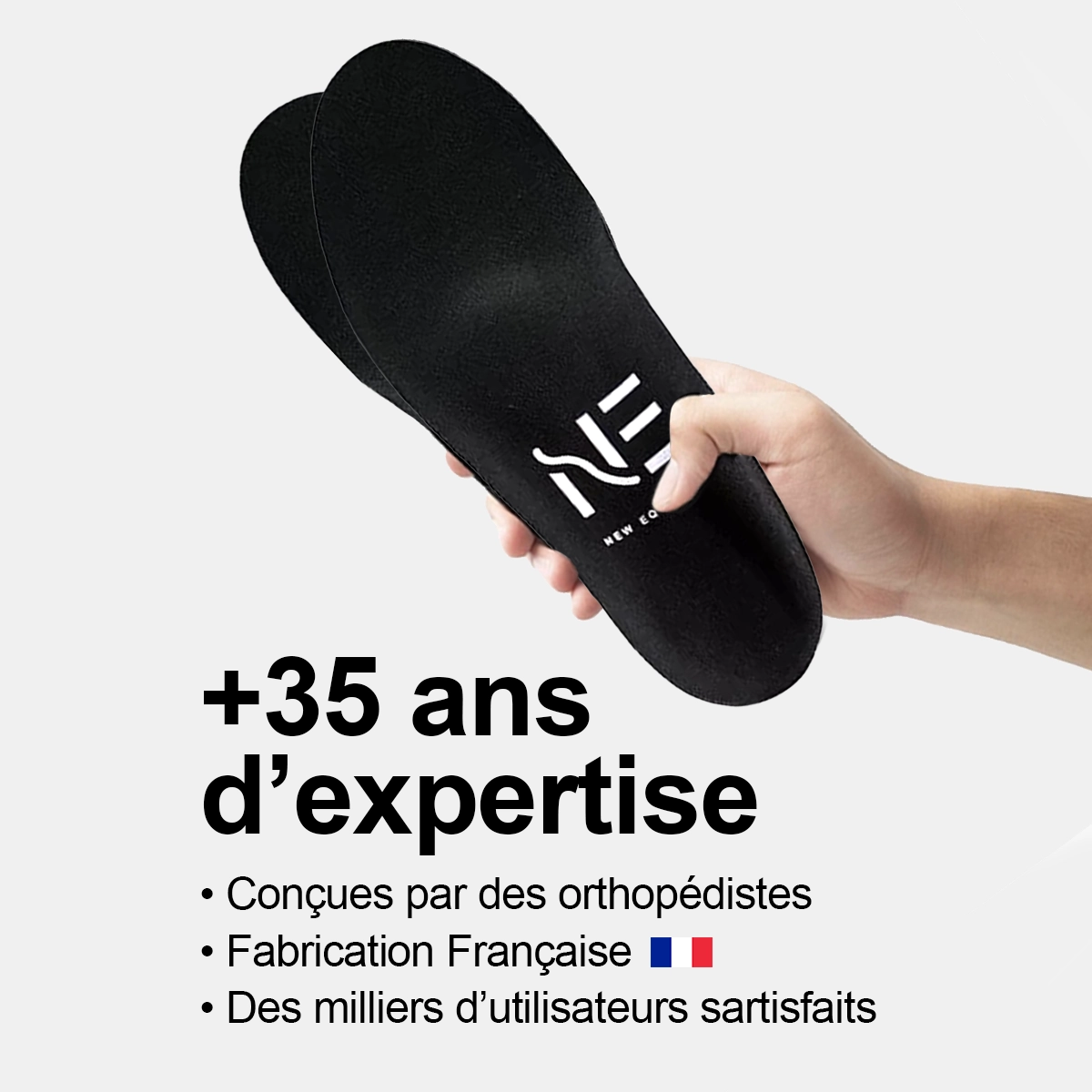
The New Equilibre Insoles They are designed based on over 35 years of biomechanical foot analysis in orthopedic practices. They easily fit into everyday or sports shoes and aim to support movement while respecting the natural anatomy of the foot.
They allow prevent and of relieve heel pain effectively, in the long run. Designed to adapt to the specific needs of each body type, the New Equilibre Insoles offer targeted support to help reduce pressure on the heel and significantly improve everyday comfort.
«It all starts with the foot.»
New Balance, a new impetus.
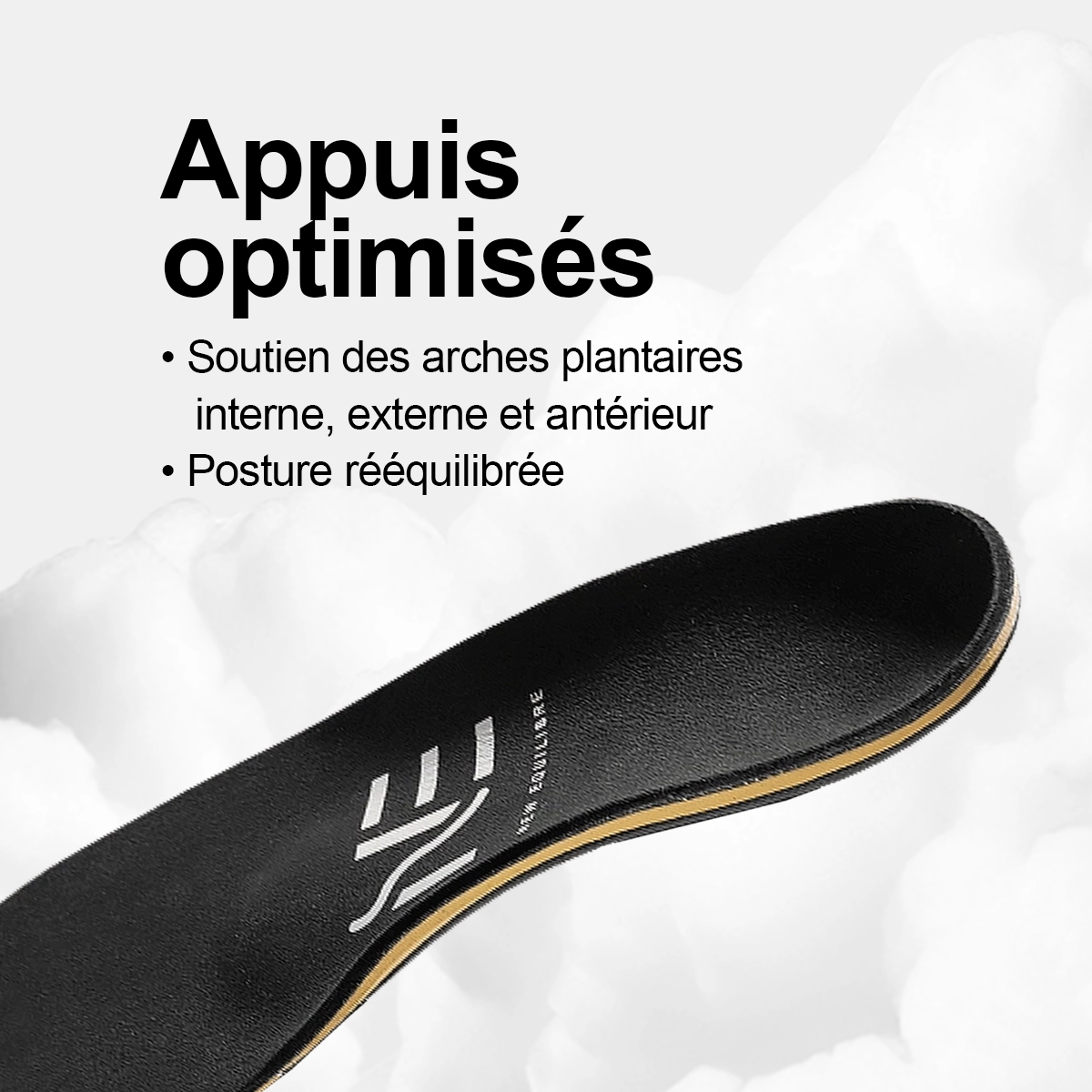
These insoles address podiatric concerns while taking into account the specific supports for tennis. I've been experiencing pain with every stride on the court for 2 years. The pain is receding, the insoles are effective, I'm amazed! Thank you New Équilibre"
Strongly suggested"
FAQ - Frequently Asked Questions About Heel Pain:
Can you play sports if you have heel pain?
In most cases, it's best not to engage in intensive sport if you suffer from talalgia, as this may aggravate the condition and prolong recovery time. However, this depends on the underlying cause of the talalgia and the severity of the pain.
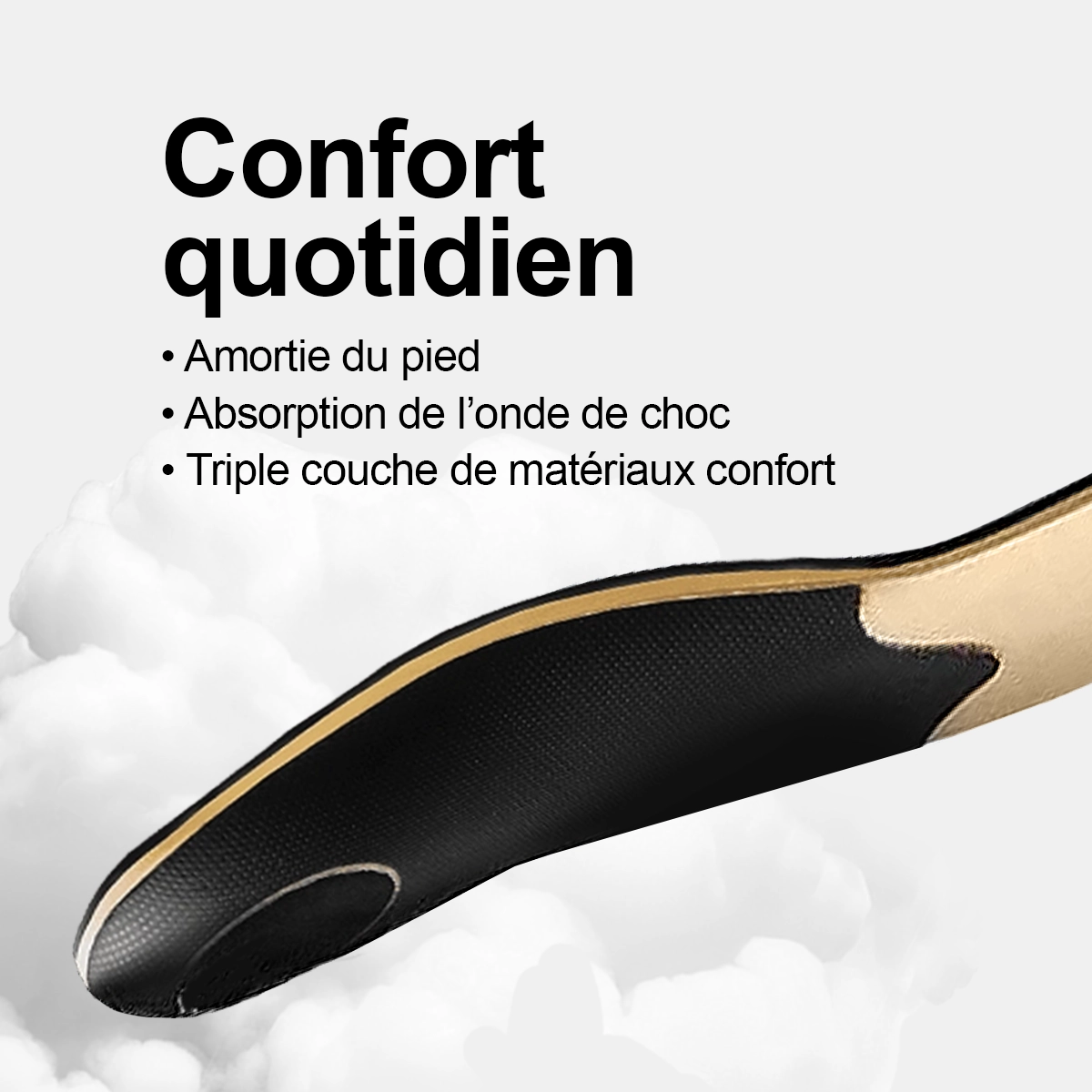
In some cases, low-impact sports activities may be permitted during recovery. Activities such as swimming or cycling can be practised, as they do not require heel support. However, wearing New Equilibre orthopedic insoles can still enable you to continue sporting activities such as running, fitness, tennis and other sports requiring rearfoot support. In fact, the insoles will quickly relieve pain by optimizing your stance, relieving excessive pressure on the heel and correctly distributing your stance thanks to the support of the plantar arches. What's more, New Equilibre insoles feature shock-absorbing heel materials and ultra-comfortable high-tech materials.
As a general rule, it is also advisable to allow the heel to rest by reducing the frequency of activity for a few days, depending on the severity of your talalgia.
Can I take time off work if I have talalgia?
It's quite possible to take time off work if you suffer from talalgia, especially if the pain is severe and affects your ability to carry out your usual work tasks. In many countries, health problems that affect your ability to work can be managed by a doctor-prescribed sick leave. You can therefore contact your doctor or an orthopedist to obtain a temporary work stoppage.
If you're looking for a solution to avoid time off work, orthopedic insoles can be a great help. In the vast majority of cases, wearing orthopedic insoles will quickly relieve your talalgia and give you the comfort you need to continue performing your job properly.
How long does talalgia last?
The duration of talalgia can vary depending on a number of factors, including the underlying cause of the pain, the severity of the pathology and the treatment measures taken. In some cases, talalgia can disappear fairly quickly with proper rest and care, while in others it can persist for weeks or even months, especially if linked to chronic problems such as plantar fasciitis. The most effective way of providing rapid, long-term relief from this condition is to wear thermoformed orthotics.
Grandmother's remedies for heel pain
There are several natural remedies that can help relieve talalgia. Here are a few suggestions for grandmother's remedies that may be helpful:
Apple cider vinegar compress: Soak a clean towel in apple cider vinegar diluted in warm water. Apply the compress to the sore heel for about 15-20 minutes to help reduce inflammation and relieve pain.
Essential oil massage: Mix a few drops of lavender, peppermint or eucalyptus essential oil with a carrier oil such as sweet almond or coconut oil. Gently massage the painful area with this mixture to relieve pain and promote relaxation.
Turmeric poultice: Mix turmeric powder with water to form a thick paste. Apply this paste to the sore heel and leave on for around 15-20 minutes before rinsing off with lukewarm water. Turmeric has anti-inflammatory properties that can help relieve pain.
Use of hot or cold compresses: Apply a hot or cold compress to the painful area to help reduce inflammation and relieve pain. You can use a hot water bottle or an ice pack wrapped in a towel.
Foot bath Alternate between hot and cold footbaths to help reduce inflammation and relieve pain. The warm footbath can relax muscles and improve circulation, while the cold footbath can reduce swelling and numb pain.
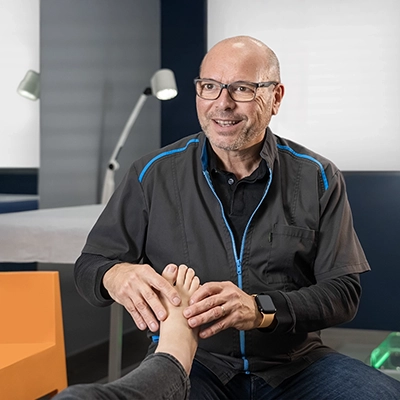
Article written by
Gérard Forlini
Orthopedist –
Over 35 years of experience in foot care (since 1988)
Over 5,000 patients supported each year in the practice.
In collaboration with Maxime Forlini – Founder of New Equilibre, specializing in the design of insoles and foot support analysis